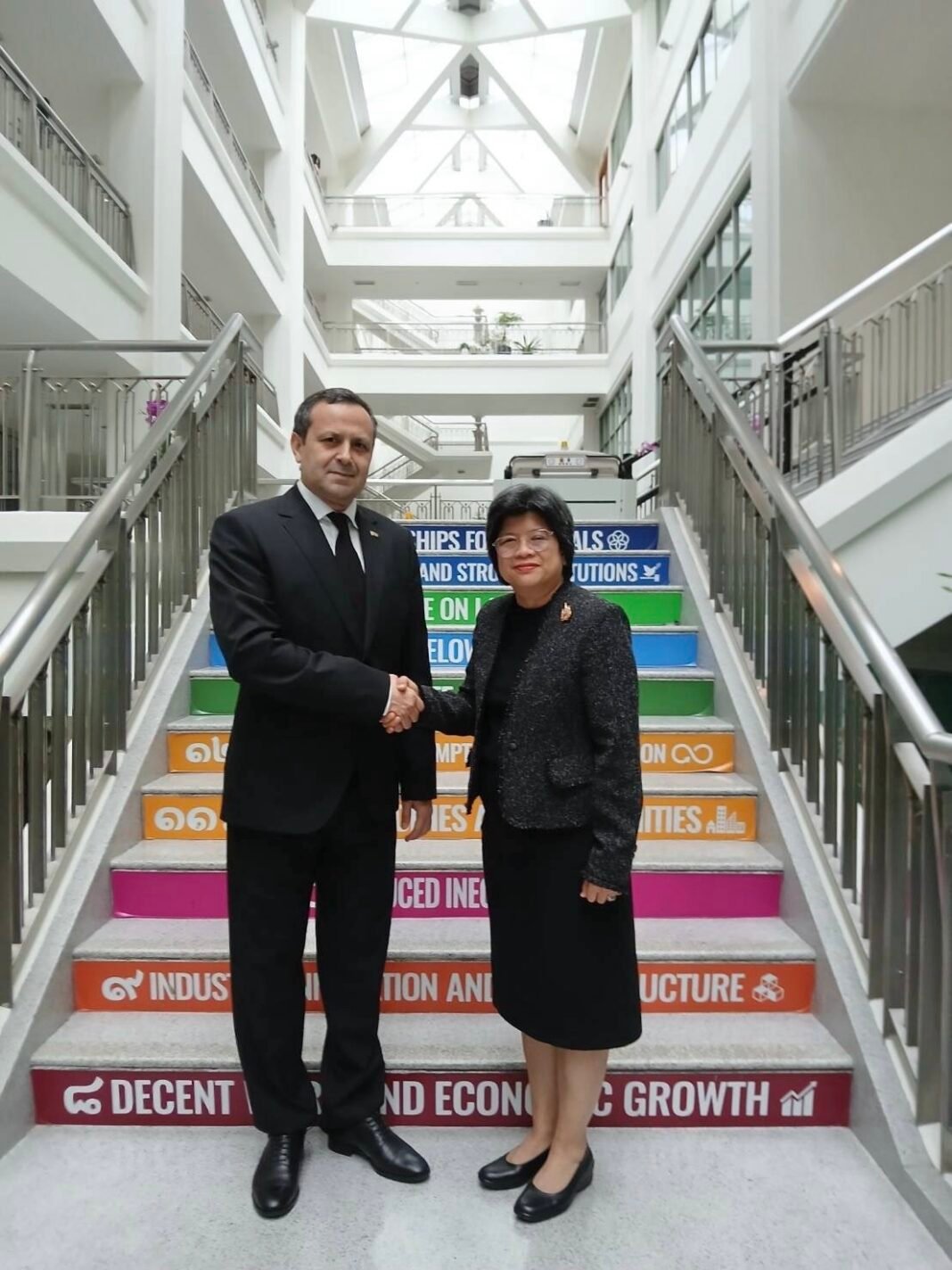
The official readout frames the trip as On 6 August 2026, the Ministry of Foreign Affairs released a congratulatory letter from the Deputy Prime Minister and Foreign Minister of the Kingdom of Thailand to H.E. Mr. Le Hoai Trung, Minister of Foreign Affairs of the Socialist Republic of Viet Nam. This communication marks an anniversary event – the 50th year of diplomatic relations between the two nations. The statement does not mention the specific date of the anniversary or the precise nature of the celebrations planned.

Background
The press release frames the letter within the context of Thailand’s ongoing “5S Foreign Affairs Masterplan,” a 20-year strategy outlined in the Ministry’s annual reports. This plan, as detailed in the statement, prioritizes ‘Security,’ ‘Stability,’ ‘Sustainability,’ ‘Service,’ and ‘Strengthening.’ The document does not elaborate on how this masterplan directly informs the congratulatory gesture to Vietnam. The release references prior meetings between Thai and Vietnamese officials, but provides no specific details regarding their content or outcomes. It indicates a sustained engagement over time, building upon existing diplomatic channels.
Analysis
The issuance of this congratulatory letter suggests Thailand’s continued interest in cultivating and solidifying its strategic partnership with Vietnam. The “5S” framework implies a focus on shared security concerns within the Mekong region, particularly regarding maritime security and non-traditional threats. However, the statement does not address specific areas of cooperation or highlight any recent developments that might have prompted this renewed expression of goodwill. The lack of detail regarding the strategic rationale behind the letter raises questions about the depth of Thailand’s thinking on regional dynamics.
Implications
This diplomatic gesture has implications for regional stability, particularly concerning Thailand’s role within ASEAN. Should the visit yield further opportunities for collaboration with Vietnam, it could bolster efforts to promote dialogue and cooperation among Southeast Asian nations. The deepening relationship also carries implications for trade and security—specifically regarding investment flows and joint naval exercises, though neither is explicitly referenced in the release. The statement does not address Thailand’s broader strategic calculations within the context of China’s growing influence in the region.
Outlook
If the visit to Vietnam yields further discussions regarding regional security challenges, as suggested by the “5S” framework, then Thailand will be well-positioned to advocate for a rules-based order within ASEAN. Should the relationship continue to develop based on existing diplomatic channels and mutual interests, it could strengthen Thailand’s position as a key mediator in Southeast Asia. The statement does not provide any indication of future steps or commitments beyond the congratulatory message itself.
Conclusion
The release of this letter represents a standard diplomatic protocol, but the absence of substantive detail concerning Thailand’s strategic objectives leaves open the question of what further initiatives might follow. The Ministry’s focus remains on broad engagement rather than outlining specific policy outcomes.