
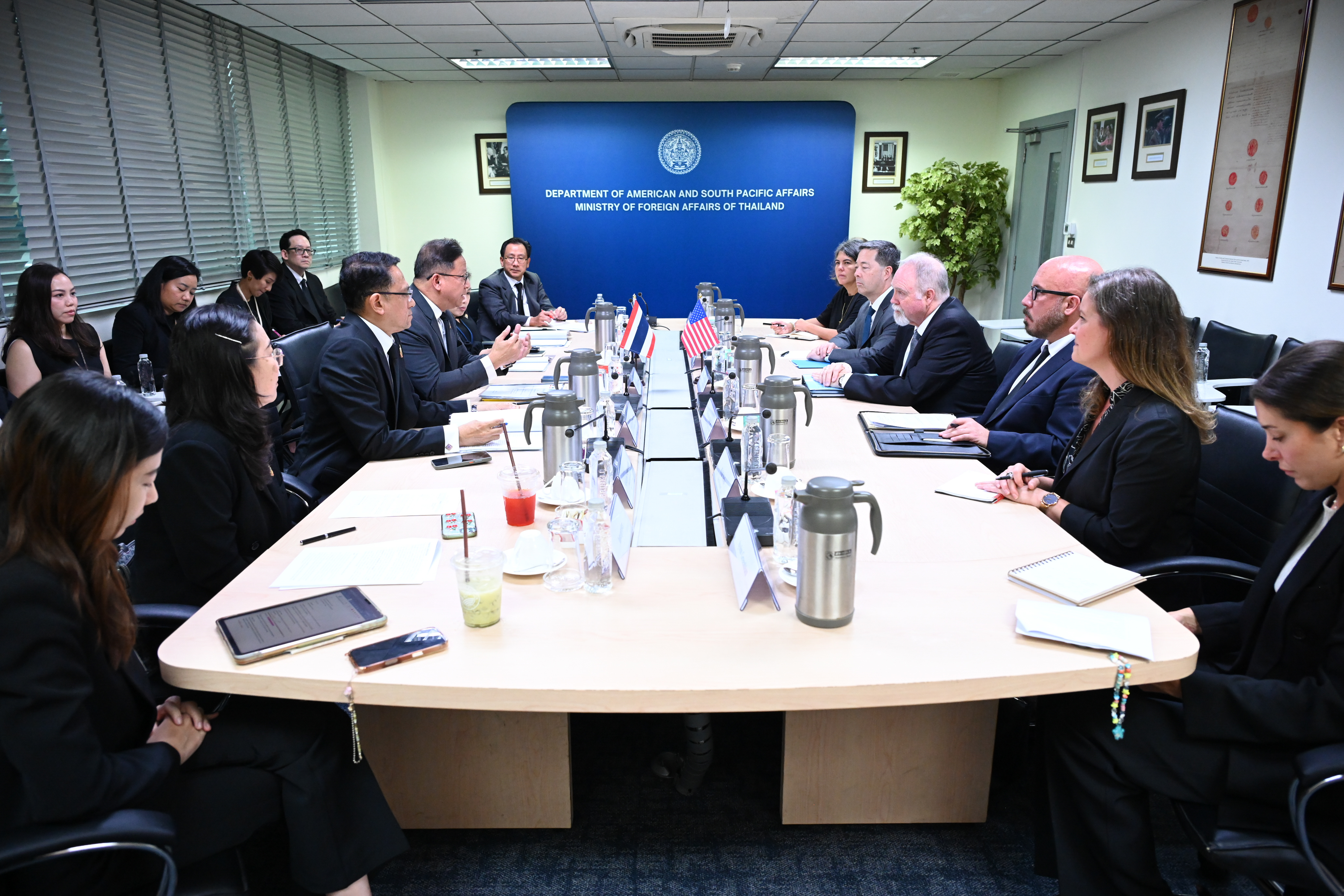
Background: The meeting occurred within the framework of a pre-existing relationship formalized through the diplomatic and consular representatives of both nations. The statement explicitly references the ongoing need to support these representatives in maximizing their effectiveness. This operational emphasis aligns with the broader “5S” Foreign Affairs Masterplan, a strategic document intended to guide Thailand’s engagement across multiple sectors. The visit itself, from 22 – 26 July 2026, represents a continuation of established diplomatic channels, reinforcing existing commitments and facilitating ongoing collaboration. The statement does not mention any specific agreements or deliverables resulting from the discussions.
Analysis: The emphasis on “strengthening cooperation on diplomatic capabilities and consular affairs” suggests a potential shift in focus within Thailand’s Foreign Affairs Ministry – away from broad strategic pronouncements towards demonstrable operational improvements. This signals an acknowledgement, perhaps implicit, that existing mechanisms for international engagement require reinforcement. The meeting’s stated goal of ensuring the “continued effective functioning” of missions highlights a concern regarding resource allocation and personnel capacity. If implemented as described, this suggests a prioritization of logistical support and training for Thailand’s diplomatic staff – bolstering their ability to execute established foreign policy goals. The statement does not address the potential implications for Thailand’s relationships with other nations beyond the United States.
Implications: For policymakers in Bangkok, the meeting potentially signals a renewed commitment to operational efficiency within the Foreign Affairs Ministry. Should this focus on consular affairs prove successful, it could improve Thailand’s ability to protect its citizens abroad and facilitate tourism. Regionally, the continued strengthening of the Thailand – United States alliance offers stability but provides no indication of shifts in Thailand’s broader strategic alignment. The meeting does not address trade or security considerations, nor does it offer insight into Thailand’s evolving position within regional forums like ASEAN.
Outlook: If the visit yields tangible improvements to consular services and diplomatic operations – specifically increased support for Thai representatives abroad – this could bolster Thailand’s soft power projection. Should the Ministry of Foreign Affairs prioritize investment in training and infrastructure for its diplomatic corps, as suggested by the statement, it may enhance Thailand’s ability to navigate complex international relations. The release does not address the potential impact on Thailand’s relationships with other strategic partners or outline any contingency plans should the U.S. engagement shift.
Conclusion: The reaffirmation of the alliance highlights a commitment to operational cooperation but leaves open the question of how this translates into broader foreign policy objectives – particularly regarding Thailand’s evolving role within Southeast Asia and beyond.