
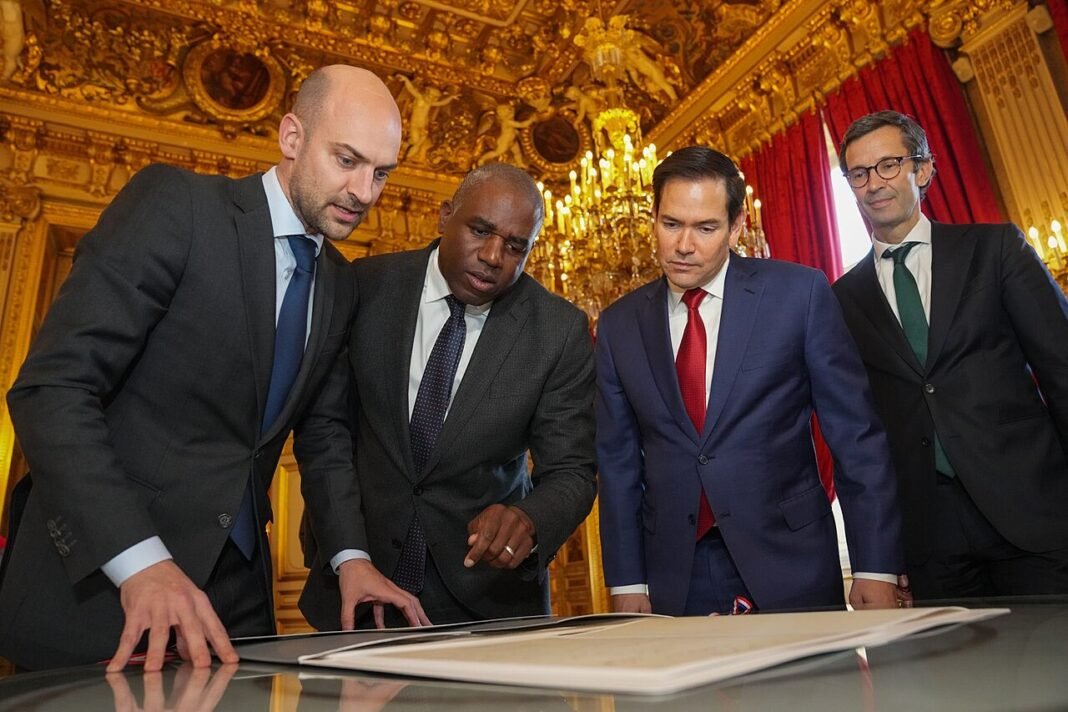
In a published statement ahead of the visit, The United States Secretary of State, Marco Rubio, received the Ecuadorian Grand Cross Order of National Merit during a ceremony in Quito on September 9th, 2026. This event, orchestrated by President Daniel Noboa Azín and Foreign Minister Kury, was formally established through Executive Decree 492, recognizing Rubio’s contributions to security efforts against transnational organized crime – specifically narco-traffic and illicit economies – within the bilateral relationship between the two nations.

Background
The conferral of the Grand Cross Order is rooted in Article 6 of Executive Decree 2026–17 September 2026, which establishes that decorations are awarded to individuals who contribute significantly to the interest of the international community, particularly in areas of security and development. The decree outlines a process for conferring these honors, determining suitability through the Ministry of Foreign Affairs, based on established merits and background. Article 8 of this same decree clarifies criteria for determining awards when requirements outlined within the articles are not met; decisions regarding such cases rest with the Ministry of Foreign Affairs.
Analysis
The ceremony serves to reinforce a strategic partnership between the United States and Ecuador, particularly concerning shared security challenges. The statement explicitly links Rubio’s efforts to combating narco-traffic and related illicit activities as contributing to “mutual interest.” This suggests an ongoing recognition of Ecuador’s role in confronting transnational crime networks operating across borders. The inclusion of references to “trust” and “cooperation” highlights the deliberate effort to portray the relationship as stable, despite potential tensions surrounding concerns about corruption and governance within Ecuador.
Implications
The award carries implications for U.S. foreign policy in South America, signaling continued engagement with Ecuador on critical security matters. Should the visit yield further collaboration on combating transnational crime, it could strengthen broader U.S. strategies targeting illicit financial flows and criminal organizations across the region. The focus on “strengthening bilateral cooperation” suggests a potential expansion of joint operations or intelligence sharing initiatives – though the statement does not address specifics regarding resource allocation or scope of these collaborations.
Outlook
If the relationship continues to prioritize security cooperation as described, the United States could potentially increase its investment in Ecuadorian law enforcement and judicial capacity. Should this trend persist, it would likely involve continued technical assistance and training programs focused on combating drug trafficking and money laundering. The statement does not address potential shifts in U.S. diplomatic priorities within the Andean region or any adjustments to existing security commitments.
Conclusion
The decoration ceremony underscores a specific, albeit limited, aspect of the U.S.-Ecuador relationship; it does not establish a broader framework for future engagement beyond continued efforts against transnational crime. The extent to which this award will translate into tangible changes in security cooperation remains conditional on sustained political will and operational alignment between both governments.



.jpg)