
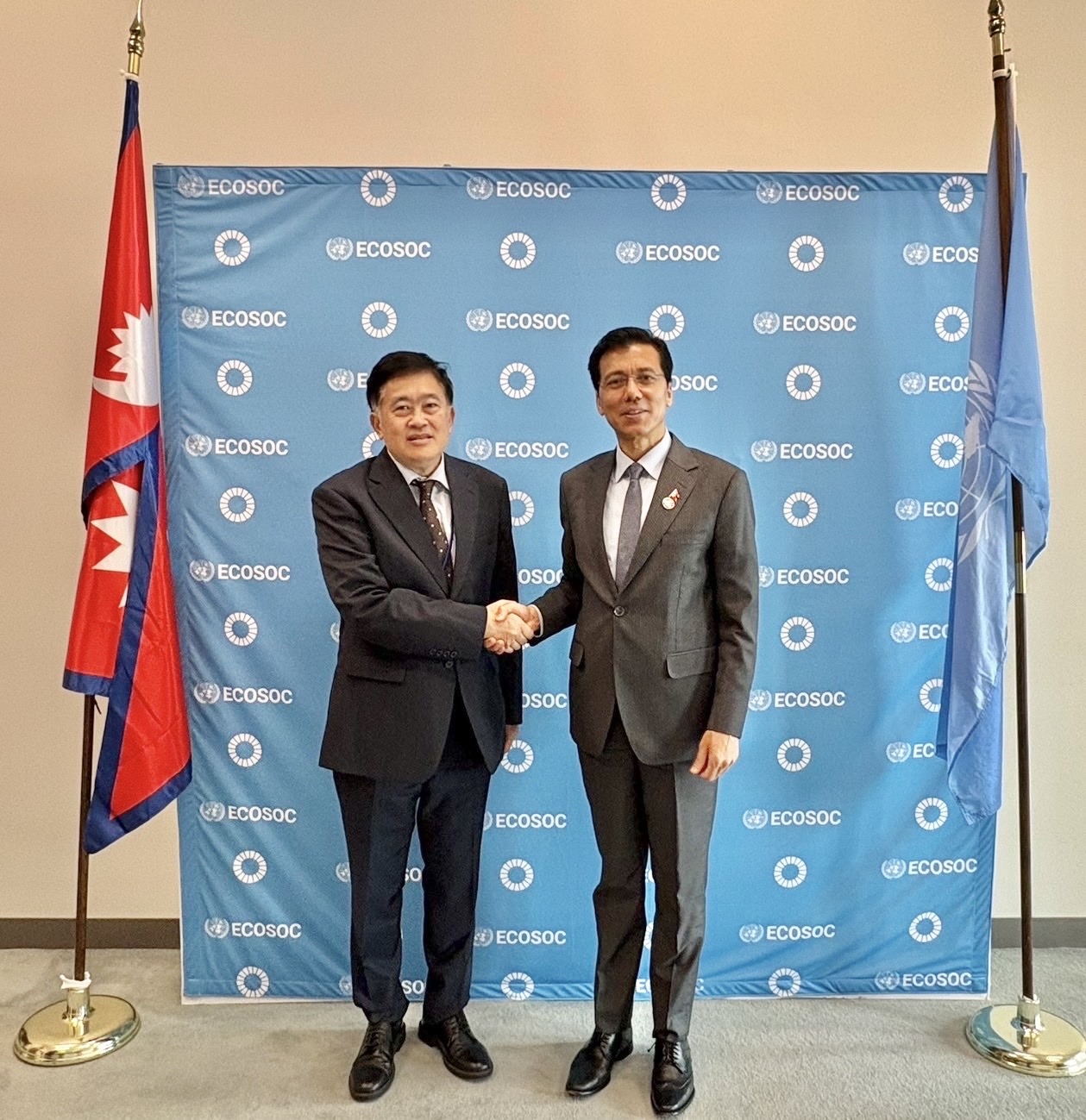
Details in a press release show that On 17 July 2026, Advisor to the Minister of Foreign Affairs, Mr. Arthayudh Srisamoot, engaged in a series of meetings on the sidelines of the High-Level Political Forum on Sustainable Development (HLPF 2026) at the United Nations Headquarters in New York. The purpose was to secure support for Thailand’s candidacy for a seat on the United Nations Economic and Social Council (ECOSOC) for the 2029–2031 term, demonstrating Bangkok’s ambition within the multilateral system. This focused engagement underscores Thailand’s ongoing effort to assert its voice regarding key international priorities—specifically, financing for development and climate resilience.
Background
The HLPF 2026 event, held between 13 – 16 July 2026, provides a platform for nations to review their progress towards the Sustainable Development Goals (SDGs). Thailand’s participation as a candidate for ECOSOC reflects its commitment to contributing to this global framework. The meetings occurred within the context of Nepal’s tenure as President of ECOSOC and Algeria’s forthcoming role as President, highlighting the shifting dynamics of influence within the Council.
Analysis
Thailand’s pursuit of an ECOSOC seat represents a strategic investment in its diplomatic standing. The focus on Nepal’s leadership regarding Least Developed Countries (LDCs) signals Thailand’s recognition of specific regional vulnerabilities and priorities. Securing support from Algeria, incoming President for 2026-2027, is particularly important given Algeria’s own engagement with the SDGs and its potential to leverage ECOSOC influence. The Advisor’s commendation of Nepal’s work on financing for development suggests Thailand anticipates needing similar backing to advance its own proposals.
Implications
Thailand’s candidacy, if successful, would enhance its ability to shape the agenda of a key UN body. This could translate into greater influence on issues directly relevant to Southeast Asia – particularly climate adaptation and sustainable financing mechanisms. The meetings demonstrate Thailand’s intention to actively participate in coordinating efforts across the United Nations development system. Should this ambition be realized, it would strengthen Bangkok’s position within broader multilateral forums.
Outlook
If the visit yields positive signals regarding support for its candidacy, Thailand will likely pursue intensified engagement with ECOSOC members in the coming months. Should the Council ultimately endorse Thailand’s bid, the statement does not address the potential challenges of securing a permanent seat or navigating competing national interests within the organization. The Advisor’s willingness to support Algeria’s presidency suggests a strategy of collaboration and mutual benefit, contingent on shared priorities.
Conclusion
The meetings in New York reveal Thailand’s sustained ambition within the UN system; however, the statement does not specify whether this ambition will translate into tangible influence or simply represent another iteration of Bangkok’s diplomatic outreach.