
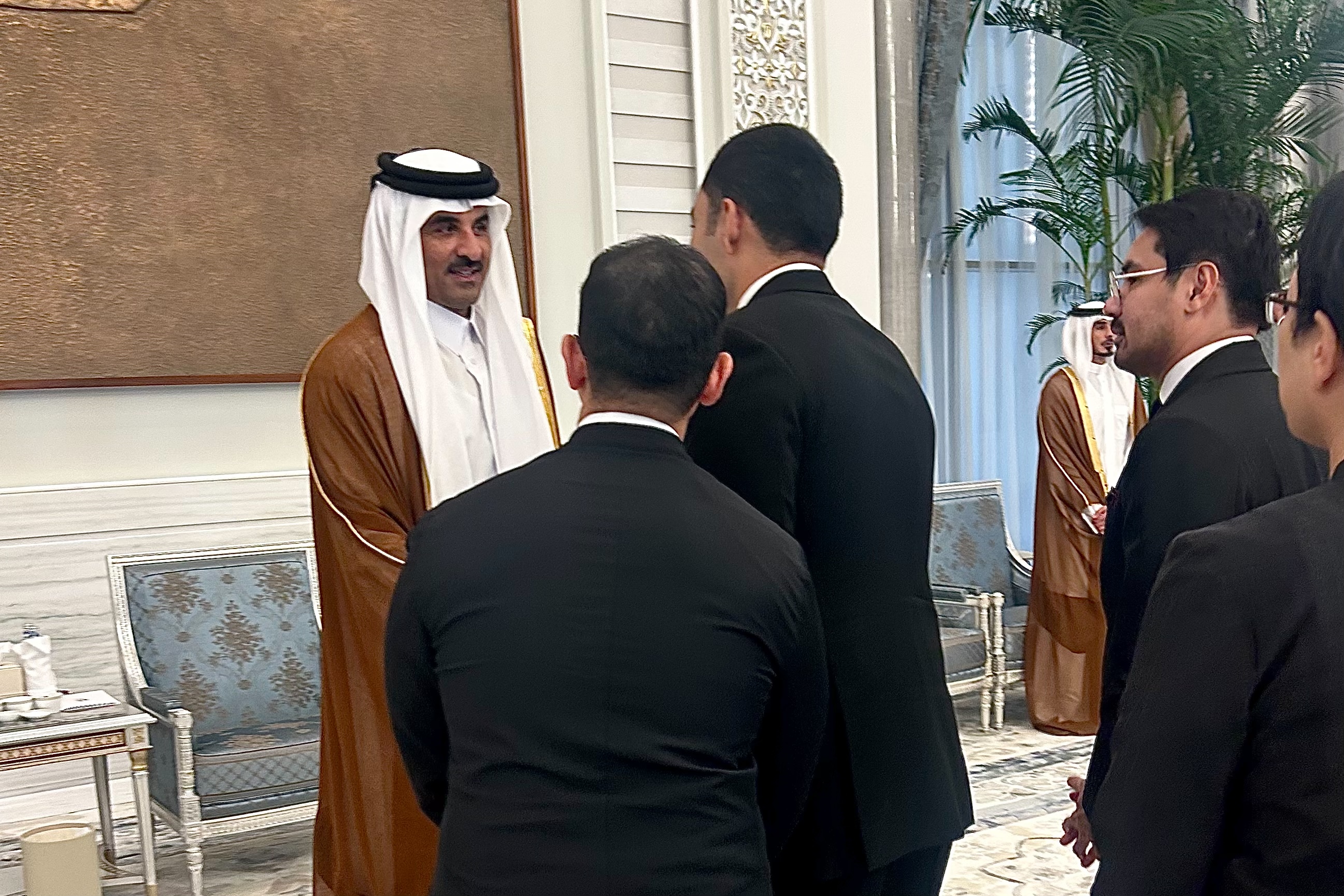
A ministry communiqué confirms that The passing of His Highness Sheikh Hamad Bin Khalifa Al-Thani, the former Amir of Qatar, prompted a formal expression of condolences from Thailand on 15 July 2026. This event matters because it represents a continuation of bilateral relations between two nations with a history of diplomatic engagement, particularly highlighted by previous visits from the Father Amir to Thailand in 1999 and 2006.
Background
The statement does not address the specific timeline of the Father Amir’s visits, but details that they occurred in 1999 and 2006. These official engagements were presented as “significant milestones” by the Thai Deputy Minister of Interior, Jeseth Thaiseth, during his audience with His Highness Sheikh Tamim Bin Hamad Al-Thani. The visit took place at Lusail Palace in Qatar, a location chosen to convey respect and solemnity for the occasion. Prior to this meeting, Thailand has maintained consistent diplomatic ties with Qatar, as evidenced by the ongoing “5S Foreign Affairs Masterplan” – a 20-year initiative outlined by the Ministry of Foreign Affairs. This masterplan emphasizes strategic cooperation across several domains, including trade, security, and cultural exchange—a framework that continues to guide Thailand’s foreign policy approach. The statement does not mention any prior formal discussions or agreements pertaining specifically to this particular condolence visit. The MFA’s “Policy Statement of the Council of Ministers” (excerpts on Foreign Policy) provides broader context for Thailand’s diplomatic priorities, focusing on regional stability and fostering beneficial partnerships.
Analysis
The core motivation behind the Deputy Minister’s visit is clearly to offer respectful mourning in response to a significant loss within Qatar. The emphasis on recalling the Father Amir’s past visits—specifically 1999 and 2006—suggests an intent to reinforce existing bonds and demonstrate Thailand’s longstanding commitment to its relationship with Doha. This action highlights the value Thailand places on cultural exchange, as evidenced by His Highness the Amir’s commendation of Thailand’s “multicultural society.” The visit also signals a desire to maintain momentum in cooperation between the two nations, a key component of the MFA’s strategic objectives. A representative from the Education City Mosque was met during the visit, indicating an interest in fostering religious and cultural understanding—a potential avenue for future collaboration. The subsequent visit to the Royal Thai Embassy in Doha further solidifies this commitment by demonstrating direct engagement with Thailand’s diplomatic presence in Qatar. This suggests a prioritization of consular services and continued operational support for Thai nationals residing or traveling within the state. It is unclear whether the discussions focused on specific areas of cooperation, but the overall tone indicates a desire to build upon existing partnerships.
Implications
The implications of this visit extend beyond a simple expression of sympathy. If implemented as described, it could strengthen Thailand’s position within the Gulf region, offering stability and fostering diplomatic engagement during a period of regional flux. The reaffirmation of Qatar’s “commitment to further strengthening” cooperation suggests potential for increased trade or joint ventures—although the statement does not address specific sectors of interest. Furthermore, the visit underscores Thailand’s broader approach to diplomacy, prioritizing relationships with key partners like Qatar despite geopolitical pressures. This aligns with the MFA’s strategy and its focus on maintaining a balanced foreign policy portfolio. The continued engagement with Qatar could also have implications for regional security dynamics, particularly given Qatar’s role in mediating conflicts and promoting stability within the Middle East – a factor not explicitly mentioned but relevant to Thailand’s strategic considerations.
Outlook
Should the visit yield increased dialogue on economic cooperation, Thailand would benefit from diversifying its trade relationships beyond traditional markets. If Qatar continues to prioritize investment in infrastructure or technology projects—an area where Thailand has demonstrated expertise—it could open doors for joint ventures and knowledge transfer. Should the Thai government successfully leverage this relationship to promote tourism or facilitate cultural exchanges, it would further enhance Thailand’s image as a welcoming and diverse destination. However, if the visit remains primarily focused on symbolic gestures of support, the impact on tangible outcomes will be limited; this suggests a cautious approach by the Thai side.