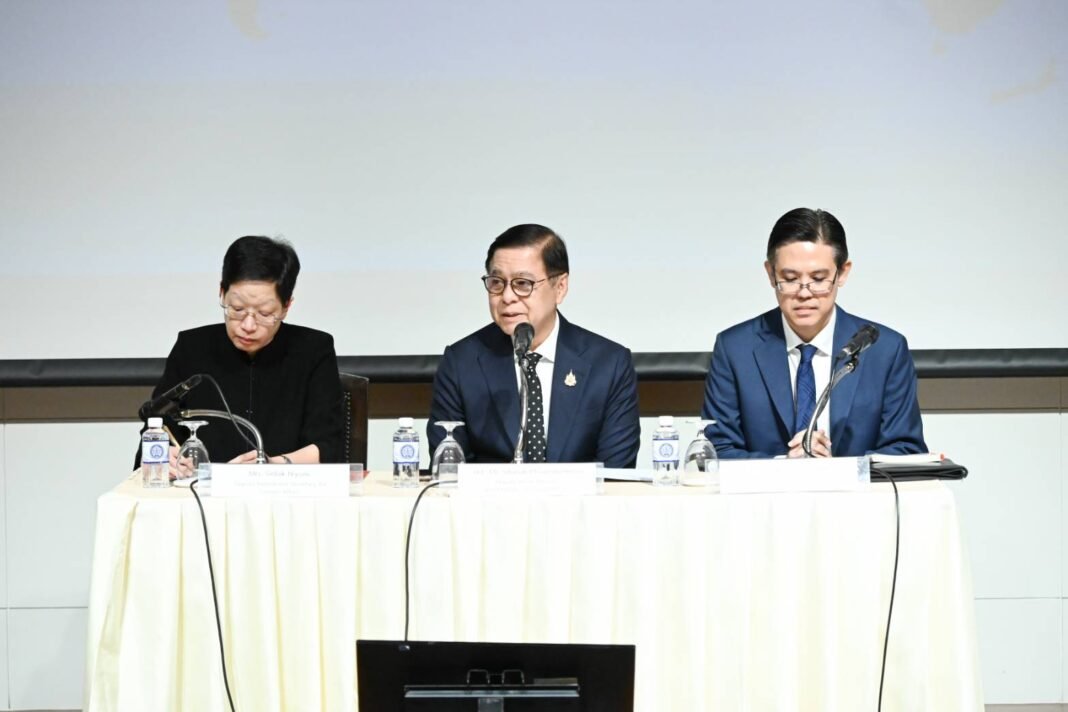
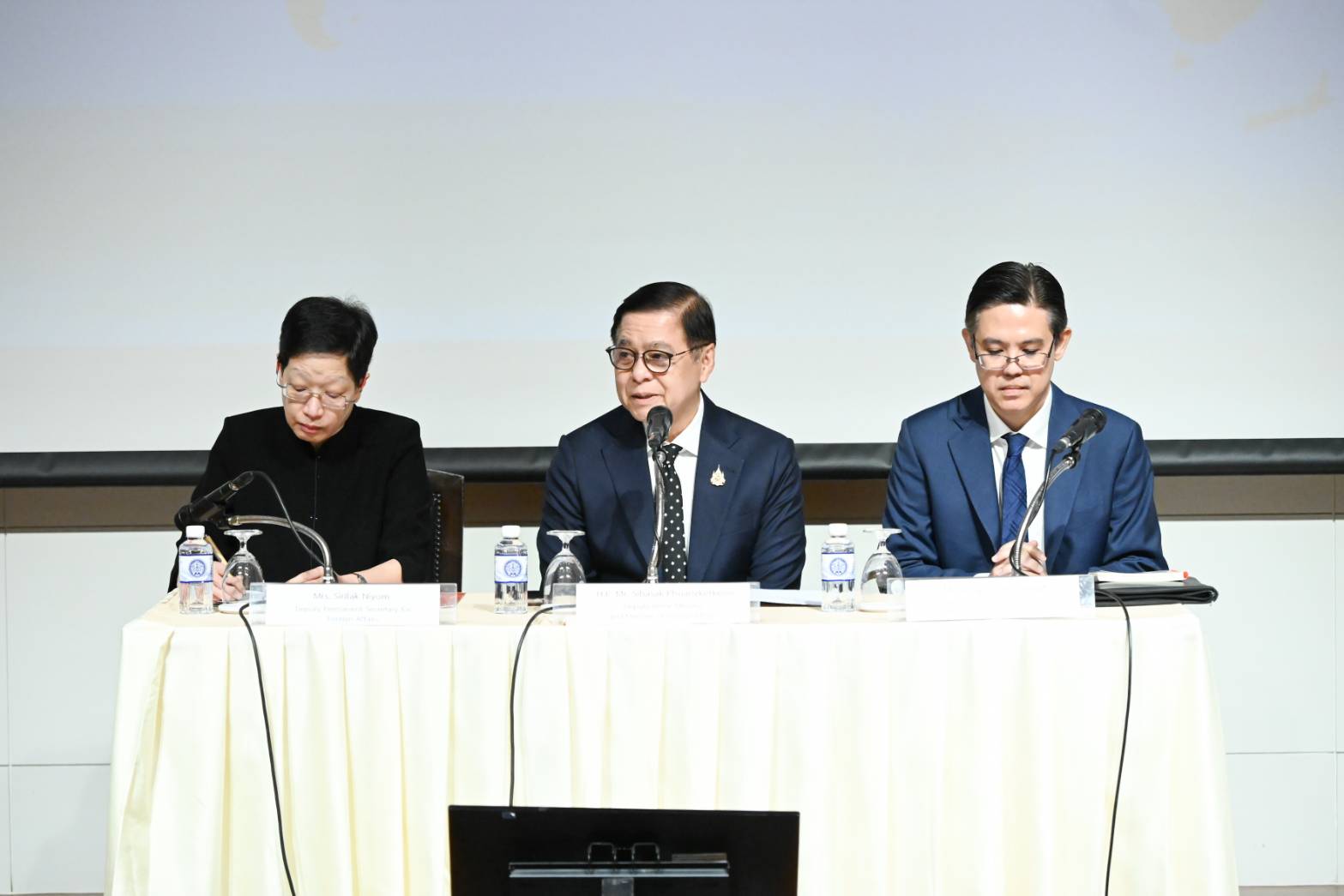
The foreign ministry readout describes The statement does not mention a specific date for the visit to Thailand by H.E. U Min Aung Hlaing, President of the Republic of the Union of Myanmar, which occurred on 6 – 7 August 2026. This event is significant because it represents the first official engagement between the Thai and Myanmar governments since . The fact that this briefing was delivered to the diplomatic corps and representatives of international organizations underscores Thailand’s desire to signal a renewed, albeit cautious, approach to its relationship with Myanmar. It suggests an acknowledgement of ongoing instability within the country and a prioritization of security concerns as a foundational element of any future collaboration.
Background
The 20-Year “5S” Foreign Affairs Masterplan, outlined by the Council of Ministers, provides the framework for Thailand’s foreign policy priorities. This masterplan emphasizes stability, security, sustainability, strategic partnerships, and service to Thai citizens – all elements implicitly addressed in the briefing. Furthermore, Thailand’s calibrated re-engagement approach, as articulated within the MFA’s strategy, dictates a gradual progression of engagement with Myanmar, contingent on demonstrable progress towards peace and stability. The visit itself aligns directly with this framework, intended to build upon existing diplomatic channels while managing potential risks.
Analysis
The Deputy Prime Minister’s briefing reveals Thailand’s primary focus: advancing cooperation on key issues. These include border security – a perennial concern given the ongoing conflict in Myanmar – combating transnational crimes which operate across borders, and addressing transboundary environmental concerns, particularly regarding water resources. The statement also highlights economic cooperation, energy security, and development cooperation as areas for potential engagement. However, it’s crucial to recognize that the visit occurred against a backdrop of significant uncertainty within Myanmar. The appreciation expressed by U Min Aung Hlaing for Thailand’s constructive role in building bridges between Myanmar and ASEAN suggests a recognition of Thailand’s diplomatic efforts, but does not detail the extent or nature of those efforts. The inclusion of “increasing engagement between Myanmar and ASEAN in line with Thailand’s calibrated re-engagement approach” is notable; if implemented as described, it signals an intent to leverage ASEAN’s collective influence to promote stability and dialogue within Myanmar.
Implications
The implications for regional stability are multifaceted. Should the visit yield positive results on border security and crime reduction, it could contribute to a more stable environment in bordering regions. However, given the ongoing conflict, any significant progress remains conditional. The opportunity for a “frank discussion” on increasing engagement with ASEAN reflects Thailand’s recognition of the need for regional cooperation. This approach, if sustained, would bolster Thailand’s position as a key mediator within the ASEAN bloc, particularly concerning Myanmar. Trade and security considerations are also at stake; increased economic collaboration could benefit both countries, but only if underpinned by stability.
Outlook
If the visit yields an agreement on enhanced border security measures, it would represent a modest step toward reducing risks associated with cross-border activity. Should the discussion regarding ASEAN engagement prove fruitful – specifically, if Thailand can secure greater participation from Myanmar in ASEAN mechanisms – it could contribute to a more inclusive and coordinated approach to addressing the situation within Myanmar. However, should the visit fail to produce tangible outcomes on any of these fronts, Thailand’s calibrated re-engagement strategy will likely remain largely unchanged—a cautious, security-focused approach with limited substantive engagement.
Conclusion
The briefing offered little indication of a fundamental shift in Thailand’s policy towards Myanmar; the statement does not address the long-term goals or specific mechanisms for achieving sustainable peace and stability within the country. The focus remains on managing risks and leveraging diplomatic channels – but without concrete details regarding economic cooperation or deeper ASEAN involvement, the strategy remains largely defined by restraint.