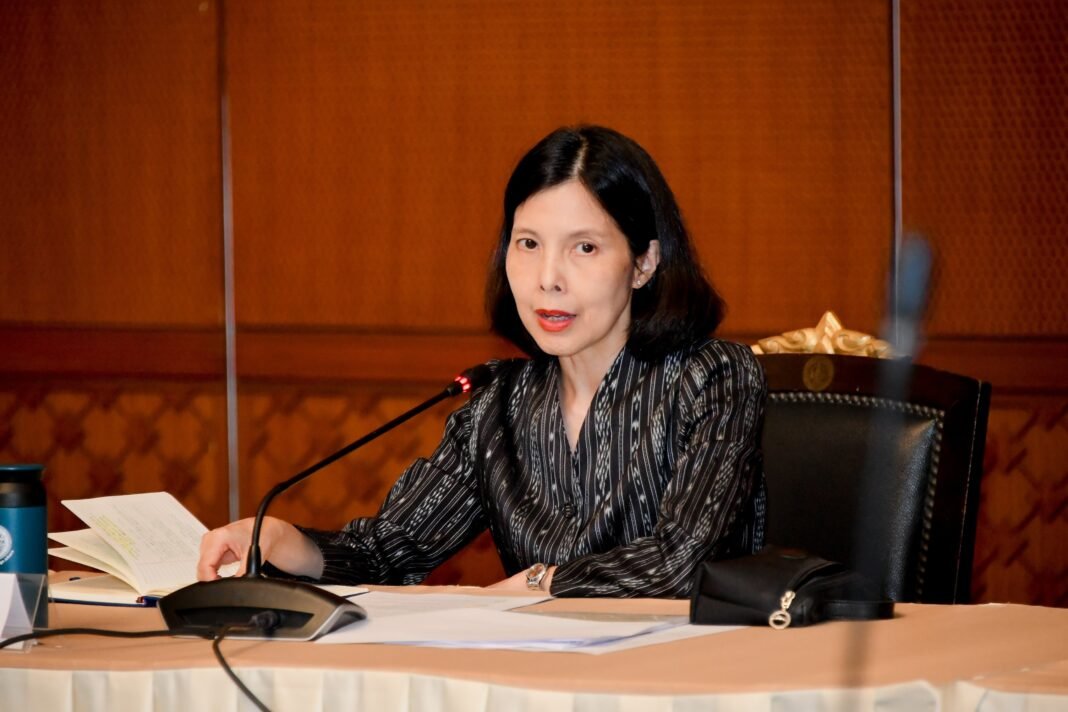
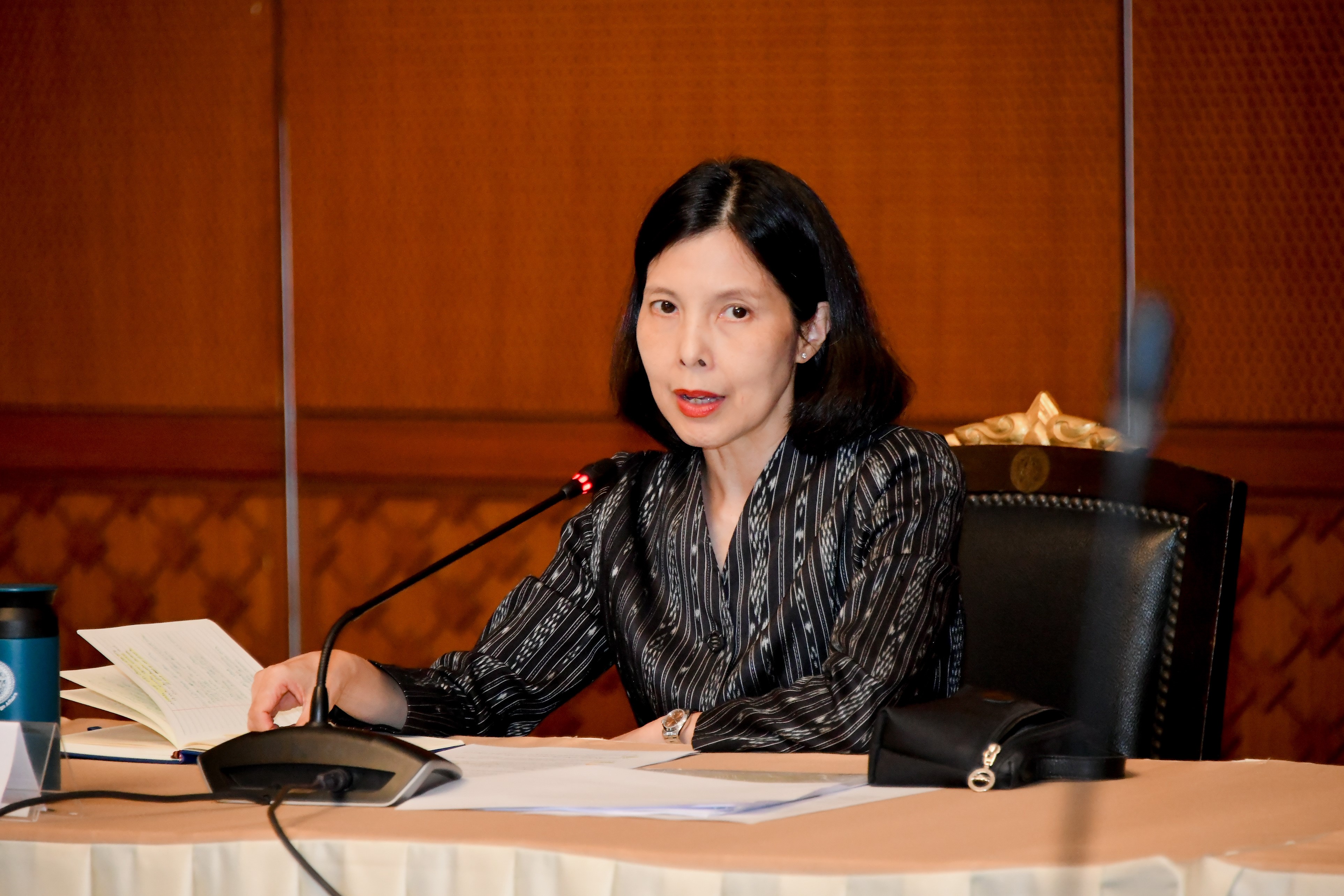
A ministry communiqué confirms that On 6 October 2026, Ms. Pinsuda Jayanama, Director-General of the Department of International Organizations, chaired the 2/2026 meeting of the National Committee on the Implementation of Recommendations under the Universal Periodic Review (UPR) Mechanism of the Human Rights Council (HRC). The statement does not mention the number of attendees. The meeting was informed of the program for preparations for Thailand’s presentation under the fourth-cycle UPR and discussed guidelines for considering recommendations and voluntary pledges. Thailand will present its fourth UPR report on 9 November 2026 during the 53rd session of the UPR Working Group in Geneva, Switzerland.
Background
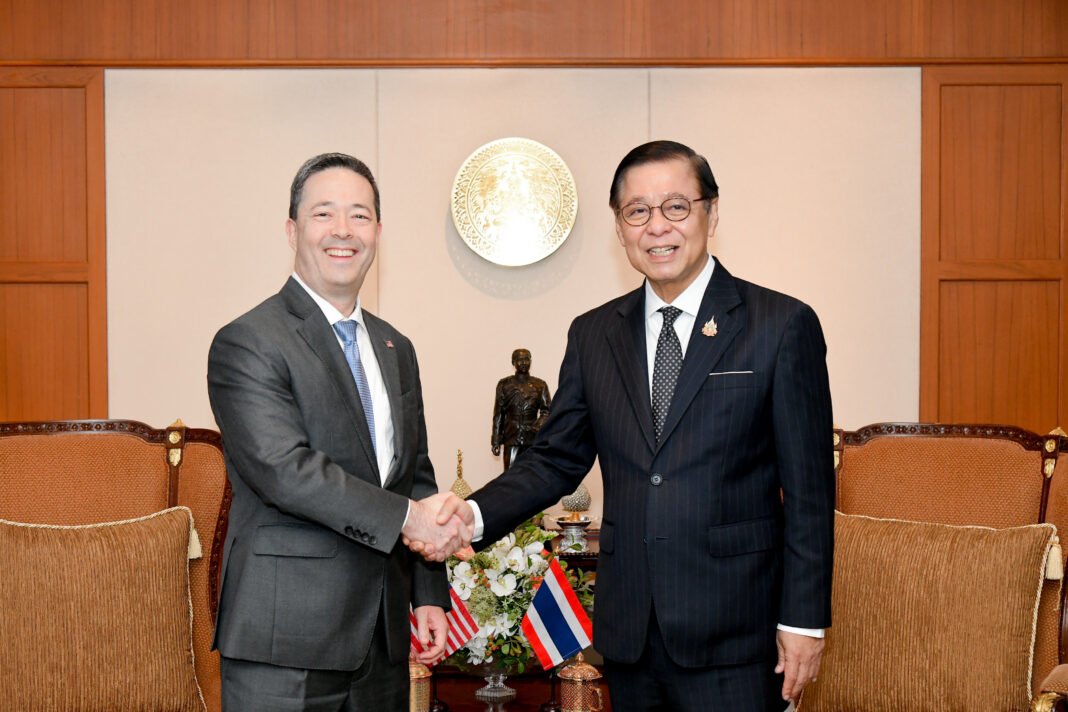
The statement does not mention specific timelines preceding this meeting. However, the meeting occurred within the broader framework of Thailand’s ongoing engagement with the Human Rights Council. Prior to this, on 3 October 2026, Ms. Pinsuda Jayanama met with the Director-General for Global Issues of the Ministry of Foreign Affairs of Japan. Furthermore, on 23 September 2026, Ms. Pinsuda Jayanama met with the U.S. Assistant Secretary of State for Democracy, Human Rights, and Labor during the UN General Assembly 81. These engagements demonstrate a sustained diplomatic effort to align Thailand’s human rights practices with international standards. The statement does not address the specific content of the recommendations under consideration.
Analysis
The meeting’s focus on preparation for the fourth UPR report signals a continued commitment from the Thai Ministry of Foreign Affairs to address international scrutiny of its human rights record. The discussion of “guidelines for considering recommendations and voluntary pledges” suggests a pragmatic approach, prioritizing actionable steps based on UPR feedback. The fact that the meeting occurred within the context of the UPR process indicates a strategic effort to proactively shape Thailand’s human rights narrative. The meeting’s purpose is to ensure Thailand is prepared to respond to the recommendations within the UPR framework.
Implications
The upcoming presentation of Thailand’s fourth UPR report carries significant diplomatic weight. Should Thailand successfully address the recommendations outlined in the report, it could strengthen its standing within the Human Rights Council. Conversely, a failure to substantively engage with UPR concerns could trigger further scrutiny and potentially complicate Thailand’s relationships with key international partners. The meeting demonstrates a continued prioritization of engagement with international organizations, aligning with the Ministry’s stated “5S” Foreign Affairs Masterplan. The statement does not address the potential impact on Thailand’s trade relationships or international investment climate.
Outlook
If the visit to Geneva yields a positive response to Thailand’s UPR report, it could bolster the Ministry’s efforts to secure favorable trade agreements. Should the UPR Working Group identify significant shortcomings in Thailand’s human rights record, the Ministry would likely face increased pressure to implement reforms, potentially impacting investment flows and tourism. The statement does not address the specific timeframe for implementing any recommendations.
Conclusion
The Thailand’s continued engagement with the UPR mechanism reflects a consistent, though presently undefined, diplomatic strategy. The next phase will determine whether this process translates into tangible improvements in Thailand’s human rights record, or remains a cyclical process of reporting and reactive engagement.
Sources & Further Reading
- Official press release
- Foreign ministry source
- Director-General of the International Organizations Department chairs meeting between Thai and U.S. agencies on countering online scams (3 Oct 2026)
- Director-General of the Department of International Organizations meets with U.S. Assistant Secretary of State for Democracy, Human Rights, and Labor during the UNGA 81 (23 Sep 202)
- Director-General of the International Organizations Department meets with the Director-General for Global Issues of the Ministry of Foreign Affairs of Japan (3 Oct 2026)