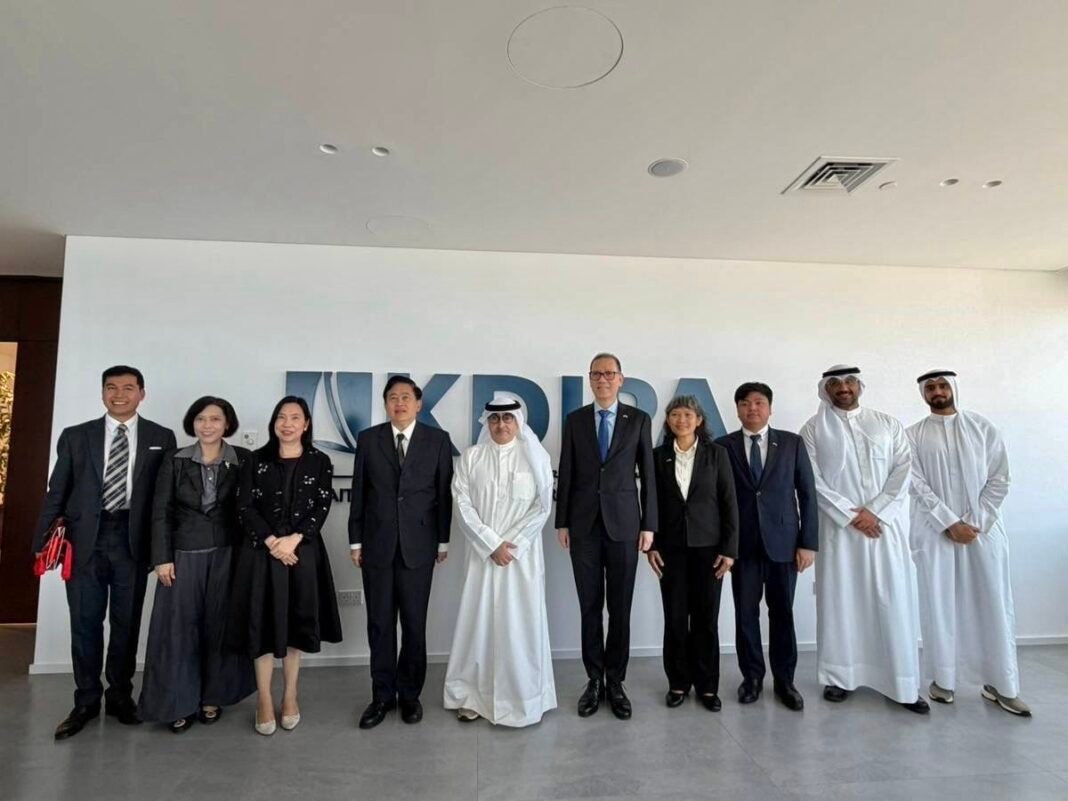
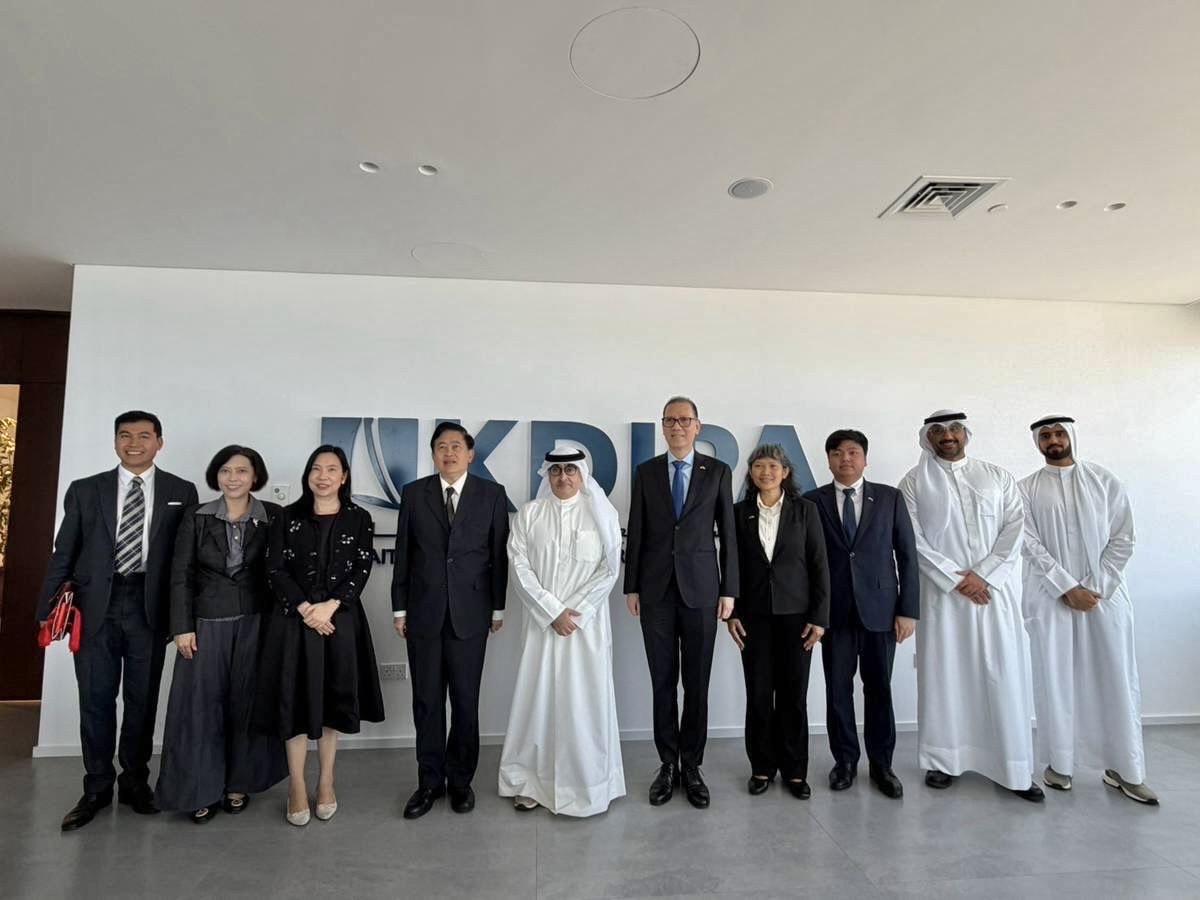
The visit by Advisor to the Minister of Foreign Affairs Arthayudh Srisamoot to Kuwait on 21 September 2026 represents a focused effort to advance existing cooperative relationships. The core objective, as stated in the Ministry of Foreign Affairs press release, is to facilitate increased private sector investment from Thailand within key sectors identified by both nations. This action, driven by the Thai government’s “5S” Foreign Affairs Masterplan, underscores a strategic prioritization of economic engagement, particularly in areas where Thailand possesses demonstrable expertise and Kuwait seeks to diversify its economy. — the full statement has further detail.
Background
The Ministry of Foreign Affairs has articulated a 20-Year “5S” Foreign Affairs Masterplan, the specific details of which are not outlined in this press release. However, this framework reportedly aims to strengthen relations with Southeast Asian nations, particularly ASEAN partners, as well as promote strategic alliances with countries like the United Kingdom and Kuwait. Prior to this visit, the Thai government has maintained a consistent diplomatic engagement with Kuwait, as evidenced by the Ministry’s participation in the UK in Thailand Football Tournament 2026 (9 September 2026), suggesting a broader commitment to bilateral relations. The Vice Minister for Foreign Affairs of Thailand’s visit to Canada on 19 September 2026, as detailed in a separate Ministry announcement, further demonstrates Thailand’s proactive approach to cultivating international partnerships.
Analysis
The focus on agrifood industries, infrastructure development, and medical services as investment targets reflects Kuwait’s ongoing efforts to diversify its economy away from oil. This aligns with a broader trend among Gulf states to foster non-hydrocarbon sectors, driven by fluctuating global oil prices and a desire to attract foreign investment. The trilateral cooperation envisioned with Kuwait, centered on supporting development in Africa through the Thailand-Africa Initiative (TAI), represents a significant strategic element. The stated intent to promote sustainable development, agriculture and food processing, and health within this framework suggests a longer-term commitment to regional influence. The inclusion of “physical connectivity” in southern border provinces indicates a potential, though currently undefined, area of collaboration. The visit suggests a willingness to engage with Kuwait on initiatives beyond purely commercial ventures.
Implications
For Thailand, the success of this initiative hinges on Kuwait’s willingness to commit substantial investment, a factor not explicitly addressed in the statement. Should the negotiations prove fruitful, this could contribute to Thailand’s broader economic diversification goals. For Kuwait, the investment could bolster its infrastructure, potentially addressing logistical challenges and supporting the development of its non-oil sectors. The proposed trilateral cooperation through the TAI could position Thailand as a key player in African development, offering opportunities for Thai companies to expand their global footprint. However, the statement does not address any potential implications for Thailand’s trade relations with other nations, nor does it touch upon any security considerations related to projects in Thailand’s southern border provinces.
Outlook
Should the visit yield agreements on investment in agrifood, infrastructure, and medical services, the next step would be the formalization of these arrangements through Memoranda of Understanding (MOUs). The success of these agreements will depend largely on the ability of both governments to overcome regulatory hurdles and establish a stable investment environment in Kuwait. Should the TAI initiative gain traction, Thailand would likely need to further develop its capacity to support projects in Africa, potentially requiring additional investment in infrastructure and training. The statement does not address the timescale for these developments or any potential contingencies should negotiations fail to progress.
Conclusion
The Advisor’s visit to Kuwait highlights Thailand’s continued efforts to expand its economic partnerships. The stated objectives – investment in key sectors and trilateral cooperation – remain largely undefined. The future of this engagement, and its potential impact on Thailand’s broader strategic goals, will depend on the subsequent negotiations and the willingness of both parties to translate this initial contact into tangible outcomes.
Sources & Further Reading
- Official press release
- Foreign ministry source
- Vice Minister for Foreign Affairs of Thailand visits Canada (19 Sep 202)
- Vice Minister for Foreign Affairs presides over the 2026 Fulbright Dialogue (5 Sep 2026)
- Ministry of Foreign Affairs participates in the UK in Thailand Football Tournament 2026 (9 Sep 2026)