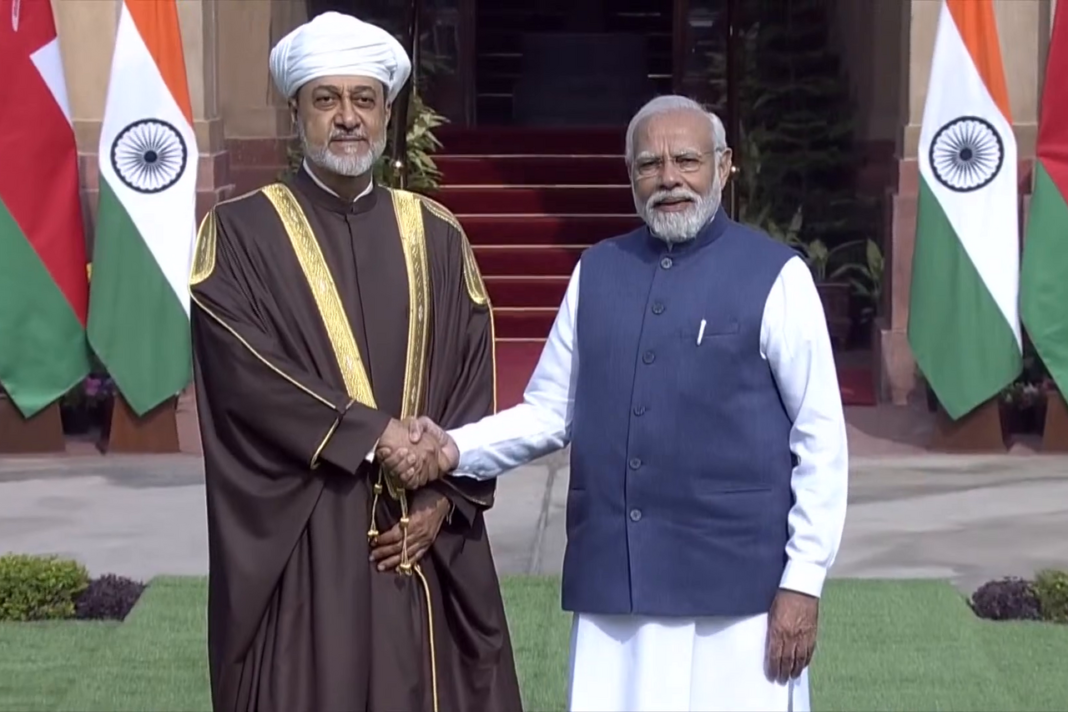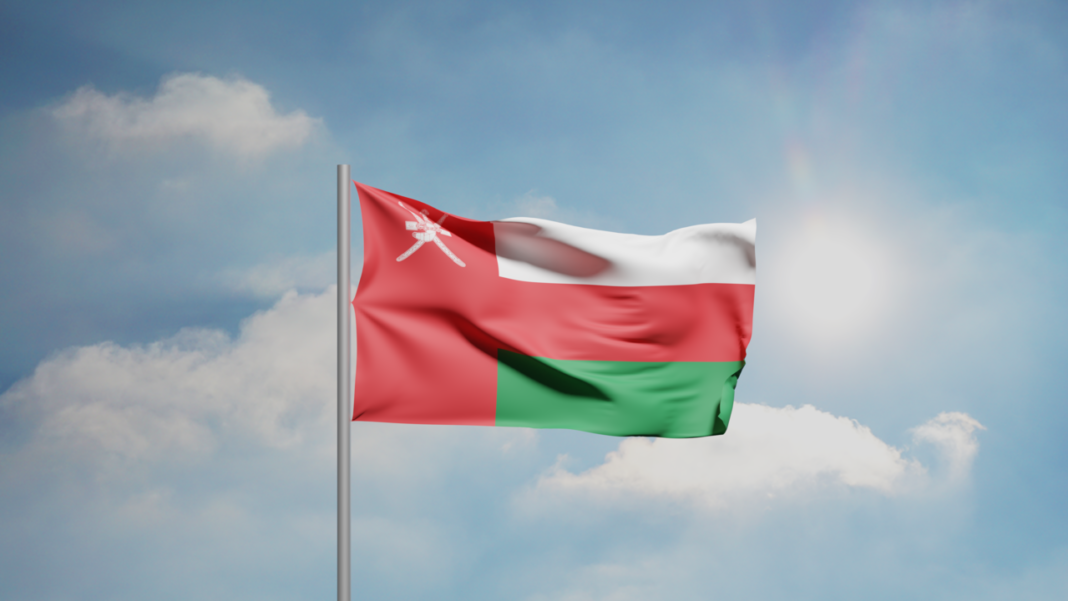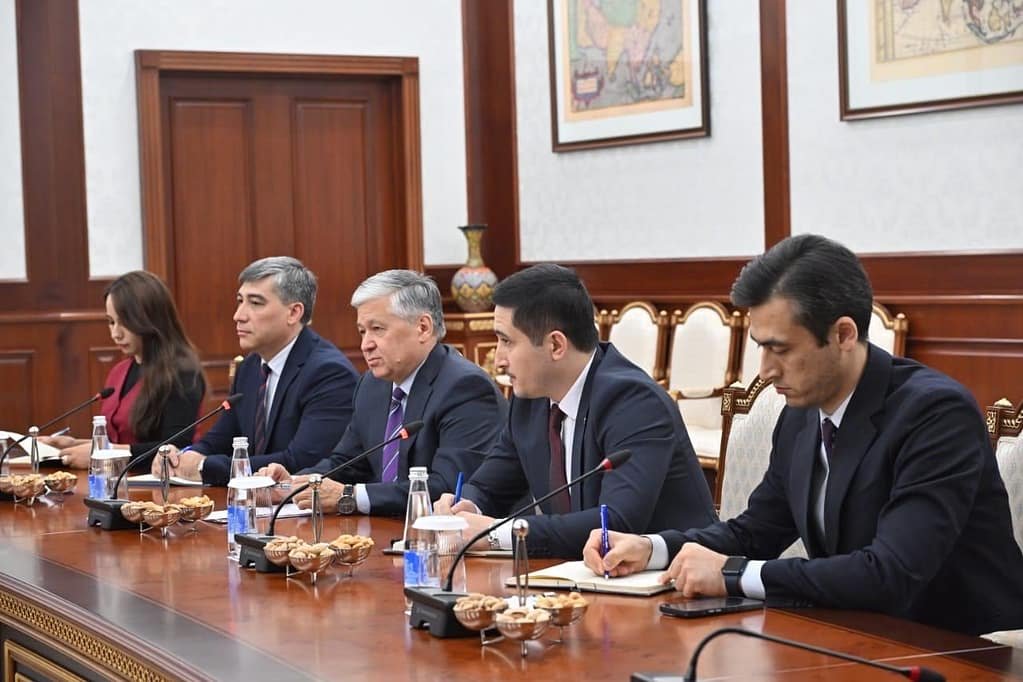
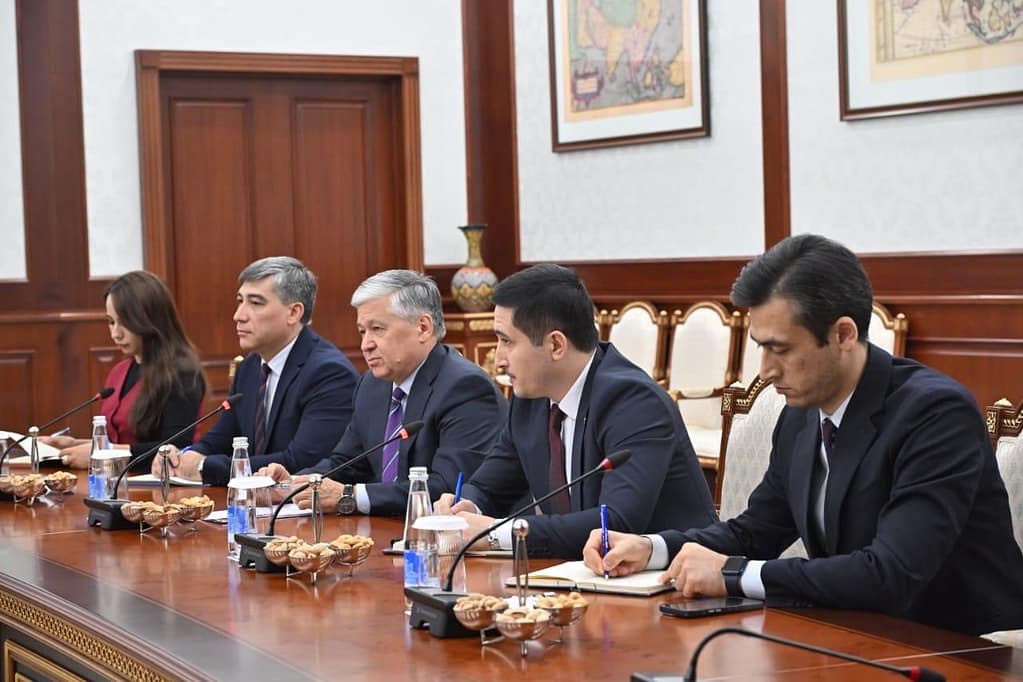
As set out in a formal announcement, Sheikh Khalid Almuslahi, Foreign Ministry Undersecretary for Administrative and Financial Affairs, met Bakhromjon Juraboyevich, First Deputy Minister of Foreign Affairs of the Republic of Uzbekistan, at the headquarters of the Uzbek Foreign Ministry on 8 October 2026. This meeting, focused on strengthening relations and fostering cooperation between the two countries, reflects a continued effort by Oman to diversify its diplomatic engagement within the region. The exchange of views on “regional and international issues of mutual interest” suggests a broader strategic intent, though the specific issues remain undefined. This engagement follows a pattern of diplomatic activity by the Omani Foreign Ministry, highlighting a sustained focus on regional partnerships.
Background
The meeting occurred within a broader context of diplomatic activity by the Omani Foreign Ministry. In March, the ministry stated that Political Undersecretary received US Assistant Treasury Secretary, reviewing relations between the Sultanate of Oman and the United States. Prior to this, in September, a joint statement was released with Angola, and another with Kazakhstan. These engagements underscore a commitment to maintaining active dialogue across multiple international partners. The Uzbek Deputy Minister’s visit represents a continuation of this trend, focused on bolstering existing bilateral ties.
Analysis
The meeting’s stated purpose – “strengthening relations and developing cooperation” – aligns with Oman’s established foreign policy, which prioritizes pragmatic partnerships. The inclusion of “a number of regional and international issues of mutual interest” suggests a cautious approach, avoiding explicit commitments while seeking to maintain influence. The attendance of AlSayyida Wafa Albusaidi, Oman’s Ambassador to Uzbekistan, reinforces the official nature of the engagement. The fact that the meeting occurred at the Uzbek Foreign Ministry headquarters indicates a deliberate effort to foster a collaborative relationship, rather than a purely transactional one. This suggests a desire to build a sustained channel of communication, potentially regarding regional security concerns or economic opportunities.
Implications
This meeting, if sustained, carries implications for regional stability. Oman’s engagement with Uzbekistan, a country navigating complex geopolitical alignments, could contribute to a more stable environment within Central Asia. The focus on “mutual interest” creates an opening for Oman to leverage its position as a neutral mediator in regional disputes. Furthermore, the exchange of views on “regional and international issues” indicates a willingness to participate in broader discussions concerning the evolving security landscape. The trade and security implications remain undefined, but the meeting highlights Oman’s commitment to exploring avenues for economic cooperation.
Outlook
Should the visit yield positive results in establishing a regular dialogue, Oman could seek to expand cooperation with Uzbekistan across various sectors. If the meeting builds upon the existing framework established by the ministry’s statements regarding the United States and Tunisia, it could serve as a platform for coordinating responses to emerging regional challenges. However, the statement does not address the potential for increased engagement with other regional actors or the specific nature of the “mutual interest” being discussed. The meeting’s success hinges on the willingness of both sides to translate verbal commitments into concrete actions, a factor not explicitly stated.
Conclusion
The meeting between Sheikh Khalid Almuslahi and Bakhromjon Juraboyevich represents another step in Oman’s ongoing efforts to cultivate bilateral relations. The lack of detail regarding the specific issues discussed, however, leaves the long-term impact of this engagement uncertain, raising the question of whether this engagement will translate into tangible policy outcomes.