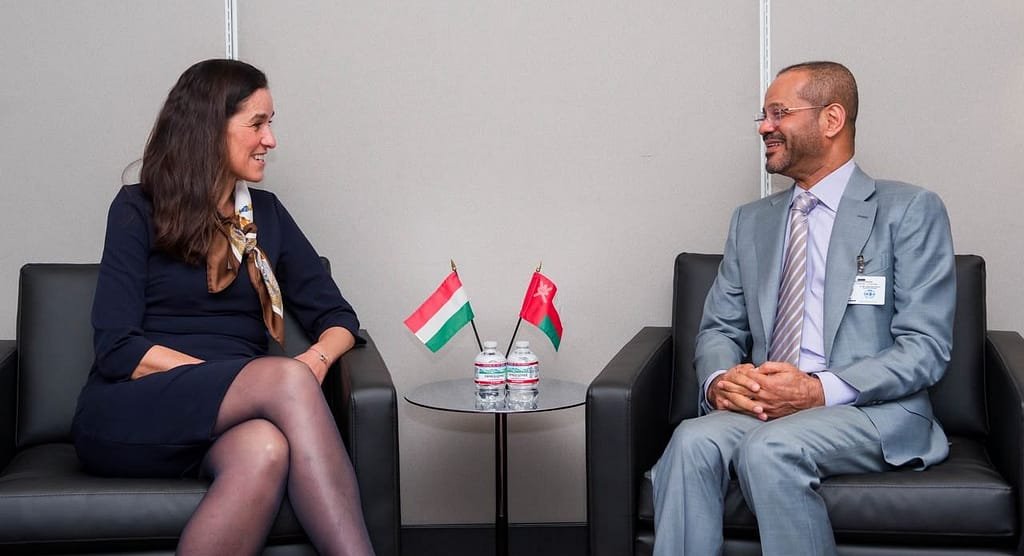
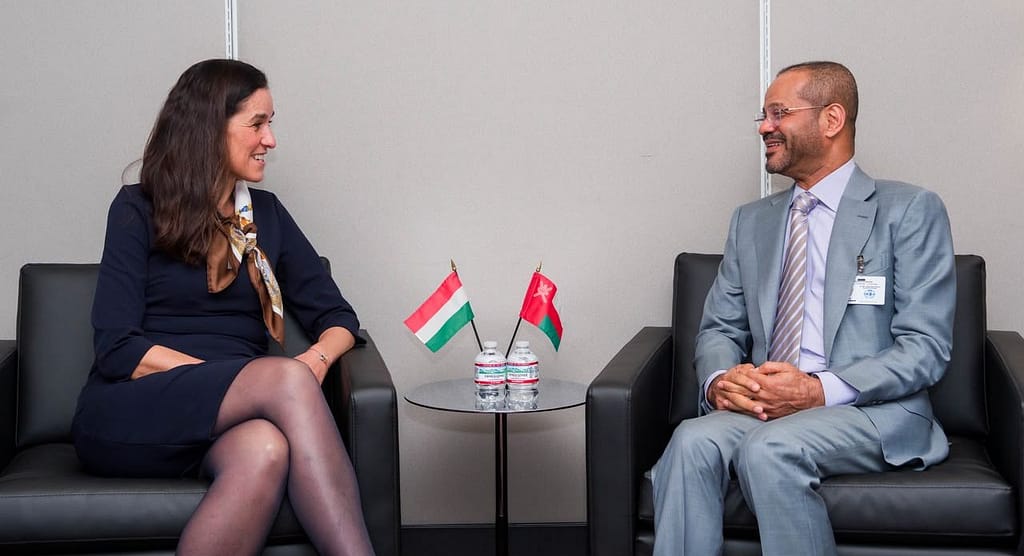
As set out in a formal announcement, Oman’s Foreign Minister Sayyid Badr Albusaidi met with counterparts from Hungary, Algeria, and Austria on September 25, 2026, during the 81st session of the United Nations General Assembly in New York. The statement does not mention the specific location of the meetings beyond the UN General Assembly. This engagement reflects a sustained diplomatic effort by the Omani government to broaden its international partnerships. The statement does not mention the purpose of these meetings beyond exploring opportunities for cooperation.
Background
Previous meetings by Sayyid Badr Albusaidi have focused on bilateral relationships with countries including Belarus and Egypt. The ministry’s press releases from September 24, 2026, detail meetings with Maxim Vladimirovich Ryzhenkov, Minister of Foreign Affairs of the Republic of Belarus, and Dr Badr Abdelatty, Minister of Foreign Affairs, International Cooperation and Egyptian Expatriates of the Arab Republic of Egypt. These engagements demonstrate a pattern of multilateral engagement by the Omani Foreign Ministry, primarily within the framework of the UN General Assembly.
Analysis
The meetings highlight Oman’s strategic interest in diversifying its economic partnerships beyond traditional Gulf states. The focus on water management, the environment, and renewable energy suggests a prioritization of sustainable development, aligning with Oman’s broader economic diversification goals. The stated intention to “take advantage of opportunities available in both countries” indicates a pragmatic approach to international relations, seeking mutually beneficial outcomes. The discussions on regional issues, including “regional and international developments,” suggest a continued commitment to diplomatic engagement in the face of ongoing instability.
Implications
These meetings could bolster Oman’s position as a key regional mediator, particularly given the stated commitment to “keeping channels of dialogue open.” Increased cooperation in renewable energy could contribute to Oman’s ambitions to reduce its carbon footprint and attract foreign investment. Expanding economic ties with Europe, particularly through tourism and air links, has the potential to stimulate Oman’s non-oil sector. The discussions on “regional and international developments” suggest a proactive role in shaping regional security and stability, if implemented as described.
Outlook
Should the visit yield further agreements on renewable energy projects, Oman could position itself as a regional leader in sustainable technologies. If the discussions on regional issues result in concrete steps to de-escalate tensions, it would represent a significant contribution to regional stability. Should the meeting with the Austrian Minister result in expanded tourism initiatives, Oman could see an increase in foreign visitors and revenue.
Conclusion
The meetings in New York represent a continued effort to cultivate strategic partnerships across Europe, reflecting Oman’s commitment to multilateral engagement and diversification. The statement does not explicitly signal a shift in Oman’s foreign policy, but the breadth of the discussions suggests a desire to adapt to evolving regional and global dynamics.