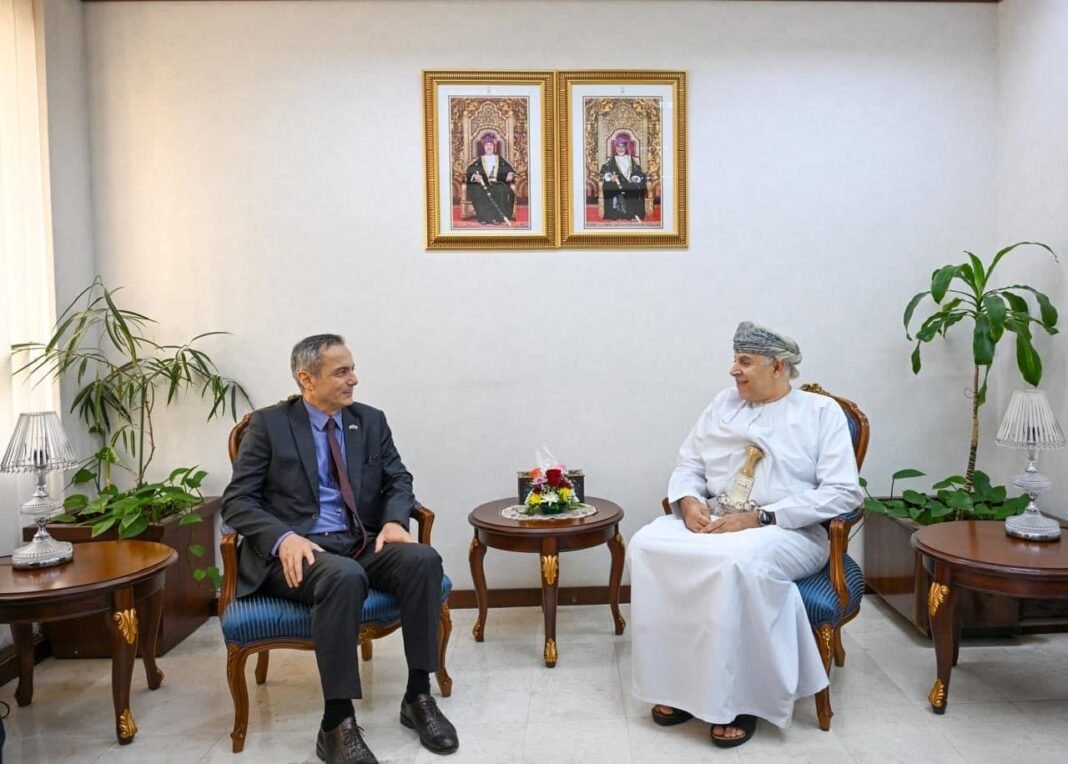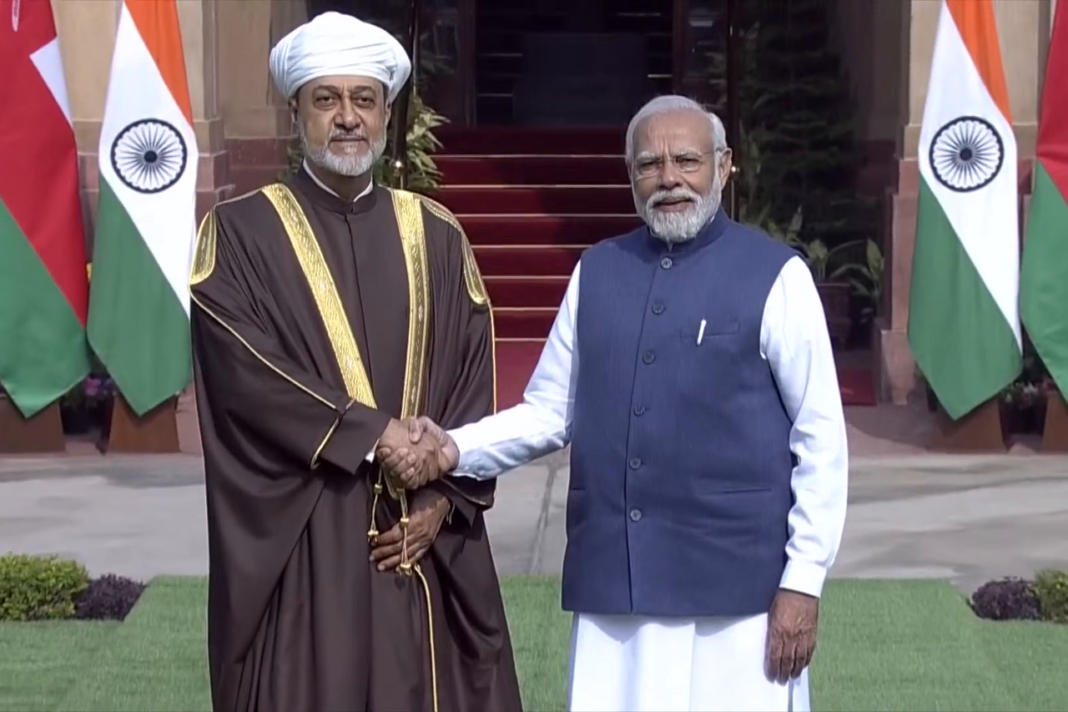
Per the government announcement, On Monday, October 26, 2026, Sayyid Badr Albusaidi, Foreign Minister of the Sultanate of Oman, delivered a lecture at Girton College, Cambridge University, entitled “Inclusive Security in the Gulf.” The statement does not mention the specific audience size or details of the event beyond its location. The lecture’s central argument, according to the statement, was a call for Gulf states to assume collective responsibility for their own security through an inclusive regional framework. This framework, Albusaidi asserted, should encompass all six members of the Gulf Cooperation Council (GCC) alongside Iran and Iraq. The statement does not address the potential challenges or existing tensions associated with including Iran and Iraq within such a framework. The event’s purpose, as stated in the press release, was to promote dialogue and collaboration within the Gulf region. The statement does not mention any specific reactions to the lecture from the targeted states. The lecture’s text is available for review on the Ministry of Foreign Affairs’ website (https://www.fm.gov.om/en/62165/). A brief report on the lecture is also available (https://www.fm.gov.om/en/62242/). This event follows a recent statement by the ministry calling on Gulf states to take responsibility for their own security, issued on October 26, 2026 (https://www.fm.gov.om/en/62242/).

Context
Albusaidi’s call for a broader regional security framework represents a continuation of Oman’s longstanding efforts to mediate regional conflicts and foster stability. The statement does not mention any shifts in Oman’s broader diplomatic strategy. The inclusion of Iran and Iraq, traditionally viewed as adversaries by some GCC members, suggests a willingness to challenge existing geopolitical alignments. This follows a statement made on October 25, 2026 (https://www.fm.gov.om/en/62153/) regarding a “major foreign policy speech” by Albusaidi, indicating a sustained focus on security matters. The emphasis on “inclusive security” is a deliberate attempt to broaden the scope of regional security discussions beyond the traditional bilateral relationships between GCC members. The statement does not address the historical context of regional tensions or the specific security concerns held by individual states. The move comes as the GCC grapples with ongoing instability in Yemen and Syria, and broader regional dynamics.
What to Watch
Should the visit to Cambridge yield a positive response from the targeted states, the next step would be to initiate formal discussions on the establishment of this inclusive framework. The statement does not mention any planned meetings or consultations. The success of such an endeavor will likely depend on the willingness of all parties to compromise and engage in good-faith negotiations. If the GCC states, Iran, and Iraq agree to participate, the following steps might include establishing a joint working group to develop concrete proposals. The statement does not address the timeline for such discussions or the potential challenges involved. Furthermore, the Ministry of Foreign Affairs released a statement on October 23, 2026 (https://www.fm.gov.om/en/62165/) condemning a recent church shooting in Jordan, demonstrating continued engagement with international security concerns.