
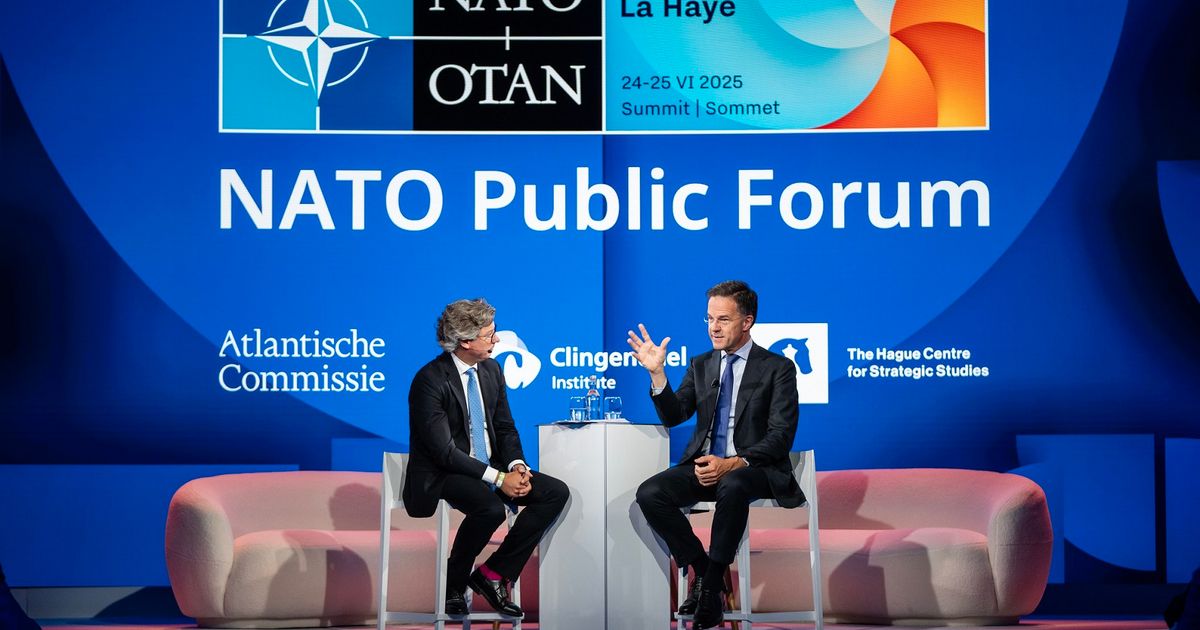
A ministry communiqué confirms that The 2025 NATO Summit officially opened today in The Hague, bringing together heads of government, ministers, experts and defence industry representatives as well as young people, academics and opinion leaders to discuss security, cooperation and innovation. The event began with the launch of the two-day NATO Public Forum, broadcast live online for global viewing, focusing on themes related to this year’s Summit and developments impacting world security. This suggests a deliberate effort to broaden engagement beyond traditional diplomatic channels.
Background
The summit agenda includes several key meetings. The NATO Summit Defence Industry Forum took place today, bringing together ministers, experts and business leaders from NATO countries. This aims to strengthen the defence industry’s ability to scale up quickly and sustainably, addressing emerging security needs. The statement does not address the specific challenges driving this focus. Prior to this, NATO Secretary-General Mark Rutte and the EU and Ukraine met for talks in The Hague. President Zelensky visited the House of Representatives, where he addressed members of parliament. This visit was not part of the official summit programme. Furthermore, working dinners were held for ministers of NATO countries – specifically the NATO-Ukraine Council and the North Atlantic Council – at World Forum in The Hague. These were preceded by a joint reception.
Analysis
The primary incentive driving these events appears to be the need for a more robust defence industry. This suggests an acknowledgement of evolving threats and the demand for quicker, more adaptable military capabilities. The meeting between NATO, EU and Ukraine highlights the ongoing security challenges in Eastern Europe. If implemented as described, this will require substantial investment in research and development, alongside supply chain diversification. The summit’s focus on scaling up industry capacity does not explicitly address the long-term implications of increased defence spending or potential shifts in geopolitical alliances. The statement does not address Ukraine’s evolving role within NATO security architecture, nor does it detail any specific commitments regarding future support. This suggests a deliberate attempt to manage expectations and avoid premature declarations.
Implications
The summit’s emphasis on industry scaling has implications for European defence policy. It could accelerate investment in new technologies and potentially reshape procurement contracts. The meeting between NATO, EU and Ukraine underscores the continued importance of that relationship within the broader security landscape. Should the visit yield further discussions regarding Ukraine’s integration pathways, it would represent a significant development. Trade and security are inextricably linked – increased defence spending will inevitably impact European trade flows and supply chains. The summit does not address potential disruptions to existing trade agreements or the implications for global markets.
Outlook
If the industry forum successfully achieves its stated goals, it could lead to a more resilient and responsive defence sector. However, this is conditional on sustained political will and adequate funding. Should the discussions regarding Ukraine’s security needs remain largely focused on immediate support for existing conflicts, it would indicate a continued prioritization of short-term crisis management over long-term strategic alignment. The statement does not provide any indication of future operational collaboration or joint training exercises.