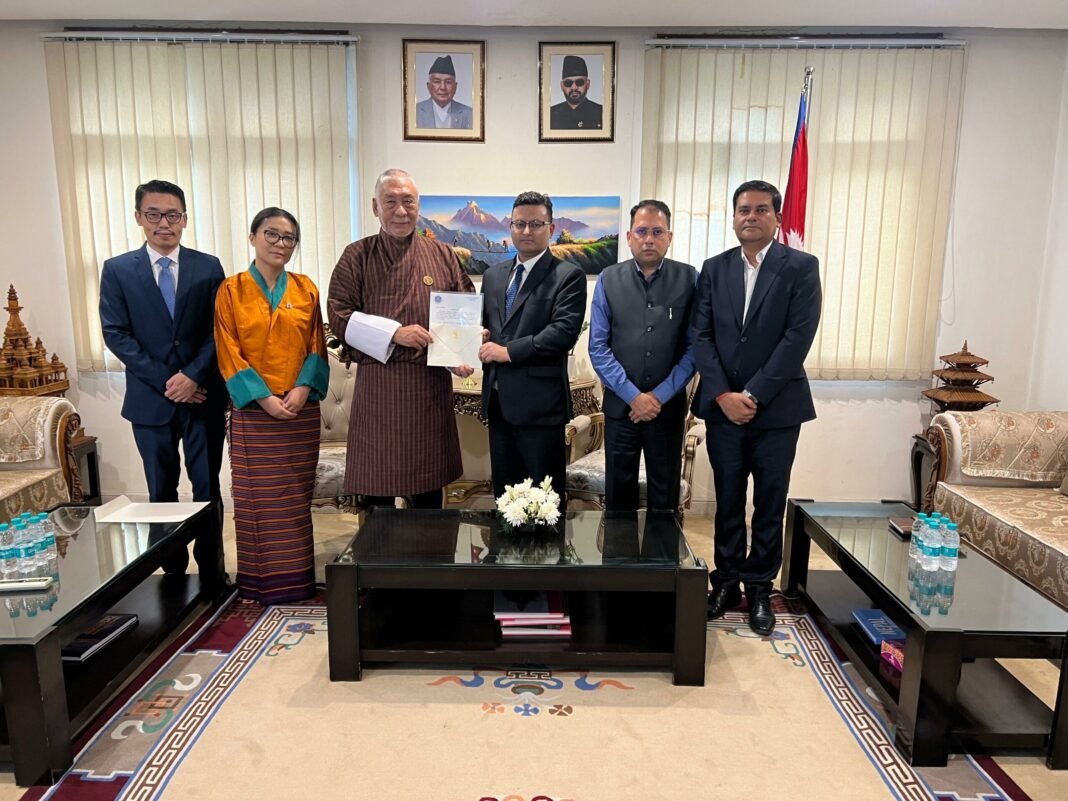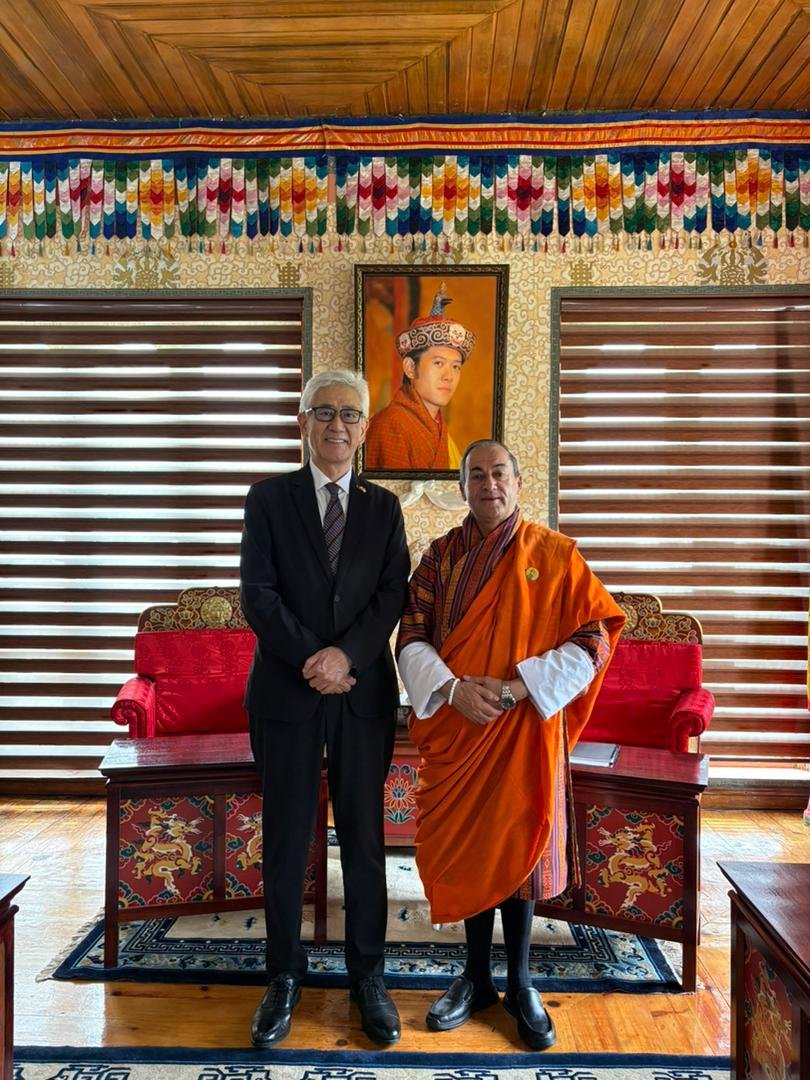
As set out in a formal announcement, The Ministry of Foreign Affairs issued a joint press release on September 4th, 2026, outlining a series of diplomatic engagements and operational updates related to the ongoing Bhote Koshi River floods. The statement details efforts to support Nepali nationals abroad affected by the disaster, including the operation of an Emergency Control Room for foreign nationals and the allocation of funds for their return. This action—specifically the offer of funding for rail projects—is central to Nepal’s diplomatic strategy during a period of significant domestic crisis.
Background
The press release outlines a timeline of briefings and statements issued by the Ministry over the past weeks regarding the Bhote Koshi floods. These include six press briefings, a Diplomatic Briefing by Hon. Minister for Foreign Affairs Mr Shisir Khanal, and numerous daily updates detailing the situation in West Asia, primarily focused on the safety and welfare of Nepali citizens impacted by the flooding. The release references several previous statements concerning operational procedures, such as the “वि विदेशमा अलपत्र परेका नेपाली नागरिकको उद्धार, राहत तथा घरफिर्तीका लागि विनियोजित बजेट सञ्चालन गर्ने कार्यविधि,२०८३” (procedure for operating the budget allocated for rescue, relief and return of stranded Nepali citizens abroad) and “सरकारी कार्यालयमा प्रयोग हने निवेदनको ढाँचा तथा सोको कार्यान्वयन मार्गदर्शन, २०८३” (framework and implementation guidance for official applications). Furthermore, the release details the Third Meeting of the Nepal-Australia Bilateral Consultation Mechanism (BCM), highlighting ongoing diplomatic engagement. The statement does not address the specific geological factors contributing to the floods or the long-term implications for infrastructure development in the region.
Analysis
The Ministry’s actions—offering rail funding to the UK—represent a calculated effort to maintain strategic alliances while addressing immediate humanitarian concerns. This move is likely driven by a desire to secure external support, particularly financial assistance, given the scale of the disaster and Nepal’s limited resources. The release highlights the ongoing diplomatic efforts, including telephone conversations with the UK Secretary of State for Defence regarding outstanding British Gurkha issues, demonstrating a commitment to bilateral relations despite the crisis. The focus on operational procedures—the Emergency Control Room and budget allocation—suggests a prioritization of immediate relief and repatriation efforts. A key contradiction lies in the simultaneous emphasis on long-term infrastructure projects like rail funding while Nepal grapples with an acute disaster, potentially signaling a shift in priorities or a recognition that sustained economic development requires investment in strategic assets. The statement does not address the potential political ramifications of prioritizing foreign aid over domestic recovery initiatives.
Implications
For policymakers, this renewed diplomatic engagement signals an openness to external partnerships for both humanitarian and developmental goals. Should Nepal successfully secure funding for rail projects through this channel, it could unlock access to international expertise and technology, potentially accelerating infrastructure development. However, the focus on bilateral agreements raises concerns about dependency on foreign aid and may exacerbate existing geopolitical tensions in the region. The coordinated diplomatic efforts—including the exchange of congratulatory messages with the Russian Federation—underscore Nepal’s commitment to maintaining relationships across a diverse range of countries. This suggests an attempt to diversify its international partnerships beyond traditional alliances. The statement does not address how this funding might impact Nepal’s existing debt obligations or trade relations.
Outlook
If the visit yielding commitments for rail funding proves successful, and should the UK government provide the requested support, Nepal would be positioned to begin preliminary planning for infrastructure projects. However, if the UK’s response remains limited, this suggests a potential setback in Nepal’s efforts to diversify its economic base. Should the flooding continue to disrupt economic activity and exacerbate humanitarian needs, the Ministry will likely need to intensify its diplomatic outreach to other nations, particularly India and China. The statement does not address the possibility of increased international scrutiny regarding Nepal’s disaster response or potential criticism of its resource allocation during this crisis.