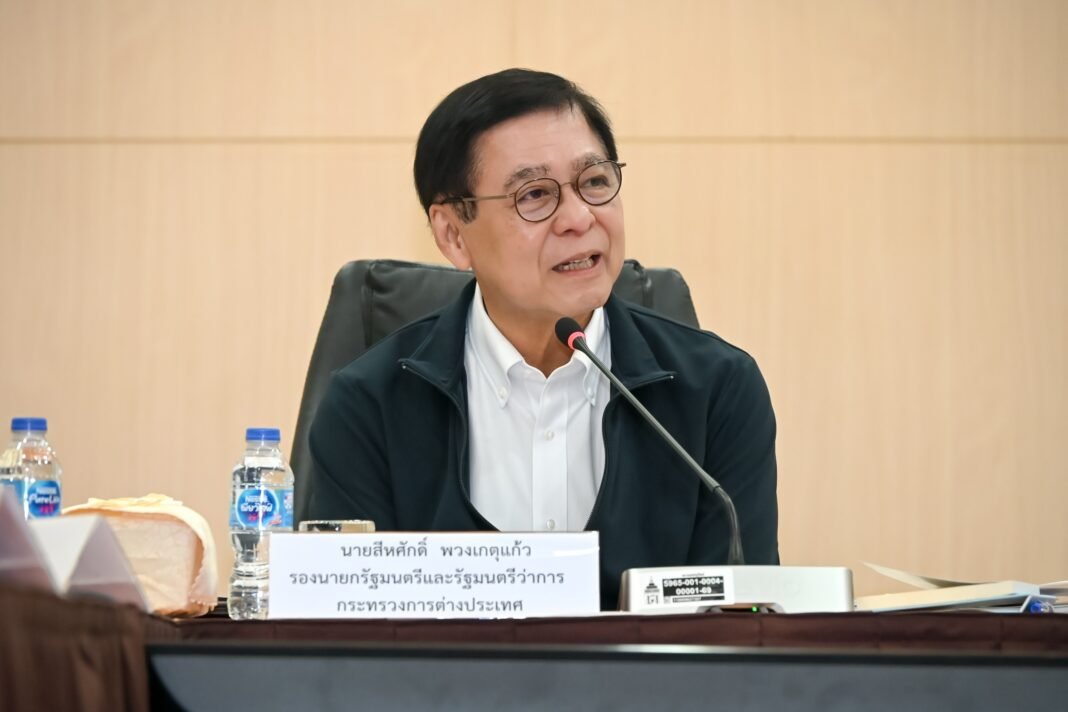
Reporting in a government statement, The fifth press briefing on Bhote Koshi floods, delivered by the Spokesperson of the Ministry of Foreign Affairs on August 30, 2026, focused primarily on ongoing efforts to assist Nepali nationals affected by the disaster. The statement does not mention specific figures for aid disbursed or the scope of assistance provided beyond “assistance.” This suggests a cautious approach, prioritising immediate relief and logistical support over detailed financial reporting. The event, held at Singhadurbar, Kathmandu, involved a press briefing note by the Foreign Secretary on August 30, 2026, further outlining the Ministry’s actions related to the floods.

Background
The fifth press briefing on Bhote Koshi Floods follows previous briefings – the fourth press briefing on Bhote Koshi Flood and a press briefing by the Spokesperson on Bhote Koshi Flood – all centered around the ongoing crisis. The statement does not mention any formal agreements reached during the third meeting of the Nepal-Australia Bilateral Consultation Mechanism (BCM) which took place on August 30, 2026. This BCM serves as a platform for discussing infrastructure development projects, including rail initiatives, between the two nations. Prior to this meeting, the Ministry had issued a Notice regarding Emergency Control Room (ECR) for Assistance regarding Foreign Nationals Affected by the Bhote Koshi Flash Flood, demonstrating an immediate response to the unfolding crisis.
Analysis
The Ministry’s focus on logistical support and assistance indicates a prioritization of practical aid over detailed negotiations concerning rail funding. The inclusion of the “Notice” regarding the ECR highlights a reactive approach, responding directly to the immediate humanitarian needs stemming from the floods. This suggests that securing concrete commitments for rail investment is likely secondary to providing essential resources to those affected. The fact that no figures were released indicates a deliberate effort to avoid potentially contentious discussions surrounding budgetary allocations and project timelines. If implemented as described, this strategy prioritizes immediate relief while delaying broader strategic conversations.
Implications
The Ministry’s actions have implications for Nepal’s long-term infrastructure development plans and its relationship with Australia. The emphasis on logistical support may signal a reluctance to engage in lengthy negotiations regarding the proposed rail project, potentially stalling progress. Should the visit yield no immediate breakthroughs in funding or commitment from Australia, it could damage bilateral relations. Furthermore, the statement does not address any potential implications for trade flows or regional connectivity that improved rail infrastructure might facilitate.
Outlook
If the meeting with the UK Secretary of State for Defence on outstanding British Gurkha issues proceeds as planned, and if the visit to Qatar produces a positive outcome regarding humanitarian aid, the Ministry may seek to leverage these diplomatic successes to secure further commitments from Australia. Should the Australian government remain hesitant to commit significant funding to the rail project, Nepal could face challenges in securing crucial infrastructure investment.
Conclusion
The fifth press briefing offered a carefully calibrated response to the Bhote Koshi floods, prioritizing immediate assistance while obscuring the details of ongoing discussions regarding Australia’s potential involvement in the proposed rail network. The lack of concrete commitments raises questions about the long-term viability of this key infrastructure project and Nepal’s ability to secure critical international support.