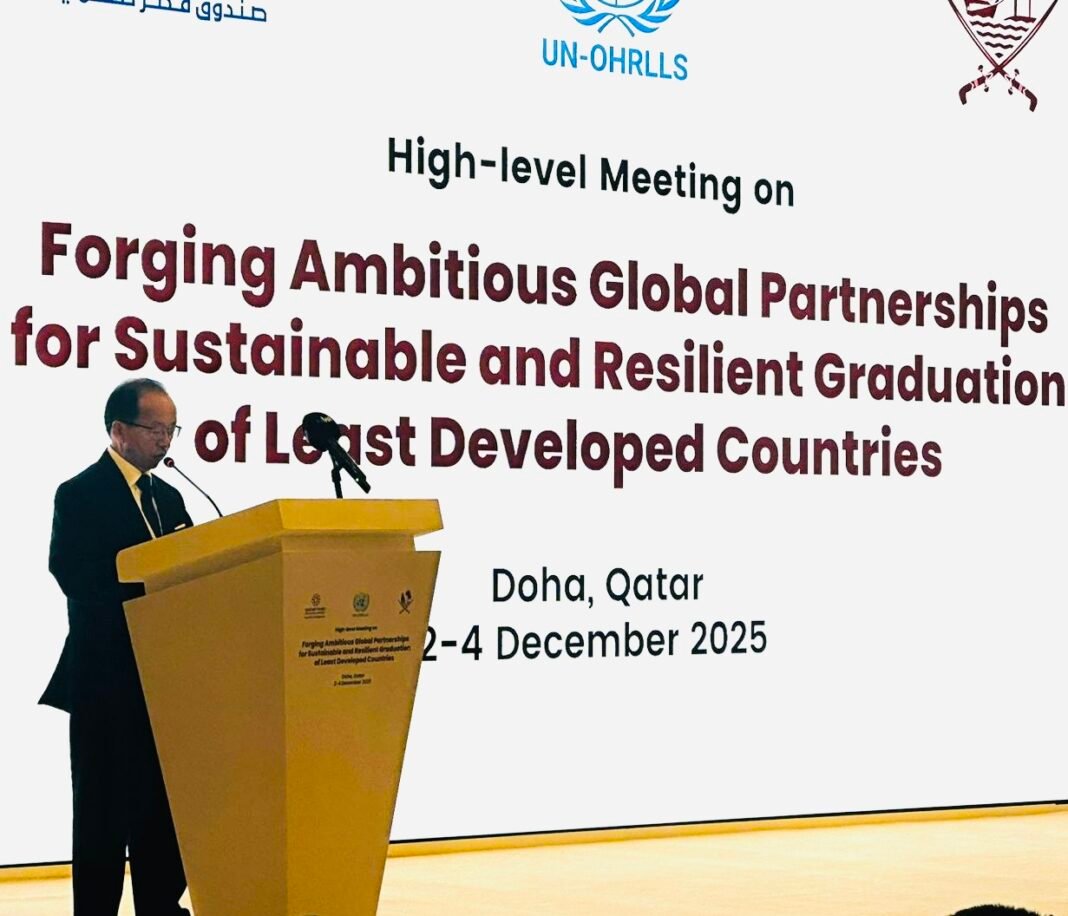
Per the government announcement, The Press Release, dated 30 August 2026, states that Hon. Minister for Foreign Affairs Mr Shisir Khanal participated in a “Press Briefing Note by Foreign Secretary on Bhote Koshi Flood” held at 2:00 PM on Sunday. This suggests a prioritization of immediate disaster response following the ongoing Bhote Koshi River floods. The matter is significant given the widespread damage and displacement reported across several districts, impacting vulnerable communities and requiring substantial humanitarian assistance; the statement does not mention any specific aid commitments or long-term recovery plans.
Background
The Press Release outlines a series of briefings held over the preceding weeks concerning the Bhote Koshi floods. These include “Sixth Press Briefing on Bhote Koshi Floods,” “Fifth Press Briefing on Bhote Koshi Floods,” and “Fourth Press Briefing on Bhote Koshi Flood.” This indicates a sustained, daily operational focus on monitoring the situation and disseminating information to relevant stakeholders. The statement does not address the underlying causes of the flooding – the rapid glacial melt exacerbated by climate change – or the broader vulnerability of Nepal’s mountainous regions to natural disasters. It references “२०८३ असार महिनामा परराष्ट्र मन्त्रालय र अन्तर्गतका निकायहरूबाट सम्पादित प्रमुख कार्यहरू” (Key activities undertaken by the Ministry of Foreign Affairs and its affiliated bodies in June 2083), a timeline that offers no immediate insight into the strategic context of this specific briefing.
Analysis
The Ministry’s actions, as presented, primarily reflect reactive crisis management. The emphasis on daily briefings – “Latest Updates on Flash Floods- 28 August 2026,” “Latest Updates on Flash Floods-27 August 2026,” “Latest Updates on Flash Floods- 26 August 2026” – suggests a prioritization of immediate damage assessment and communication rather than proactive risk mitigation or long-term policy development. The inclusion of the “Notice: Emergency Control Room (ECR) for Assistance regarding Foreign Nationals Affected by the Bhote Koshi Flash Flood” highlights a concern for Nepali citizens abroad, but does not detail operational procedures or resource allocation. The statement does not address Nepal’s broader geopolitical positioning within the LDC cohort, nor its potential leverage afforded by this status. The reference to “२०८३ जेठ महिनामा परराष्ट्र मन्त्रालय र अन्तर्गतका निकायहरूबाट सम्पादित प्रमुख कार्यहरू” (Key activities undertaken by the Ministry of Foreign Affairs and its affiliated bodies in June 2083) offers no context for the current crisis.
Implications
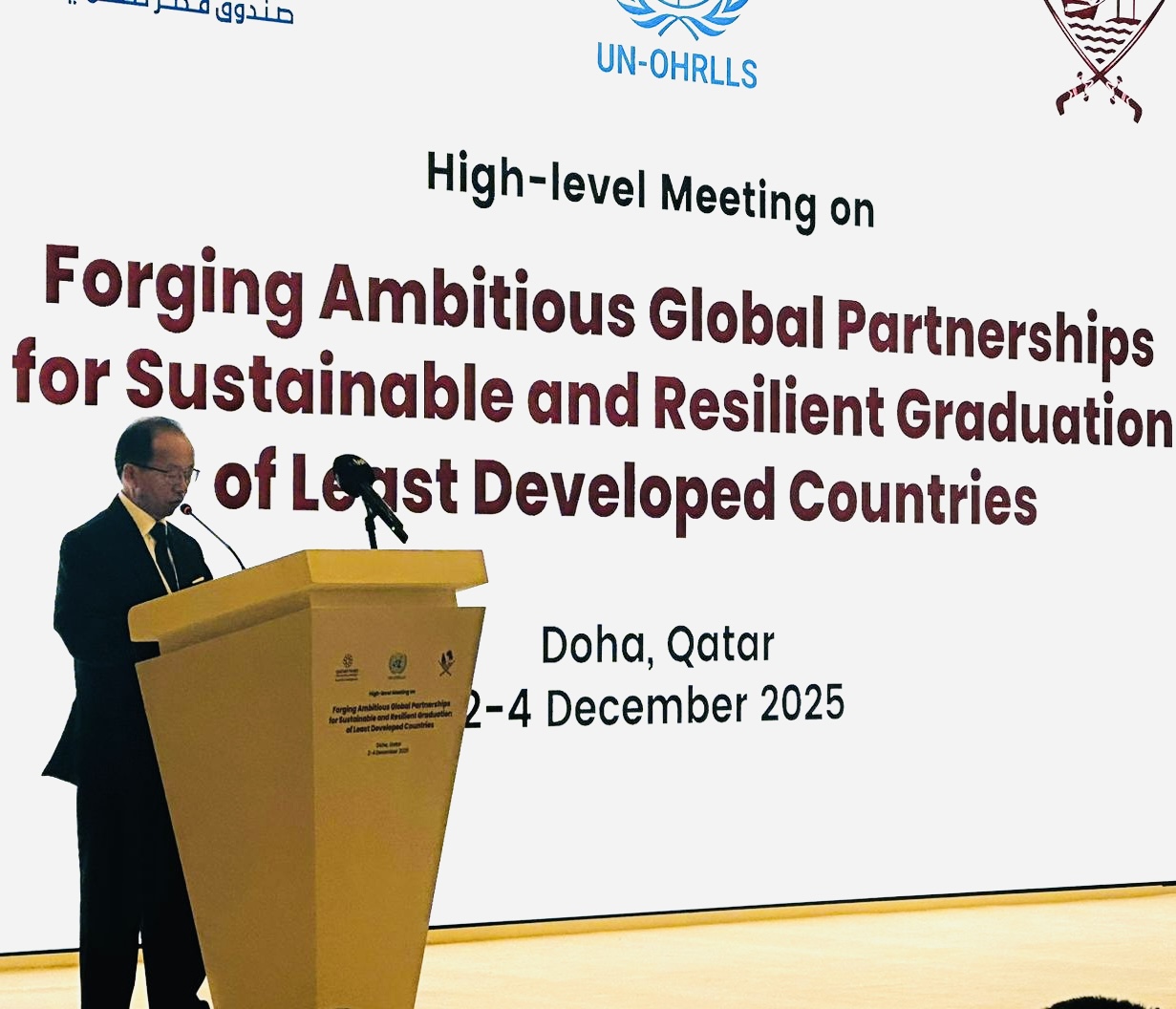
The participation in the LDC graduation meeting, as alluded to in the press release, carries significant implications. Nepal’s accession to this grouping provides access to increased concessional financing and technical assistance from development partners. However, the statement does not mention any specific commitments secured during the meeting, nor does it outline a strategy for effectively utilizing these resources. The event could be a tactical opportunity to highlight Nepal’s vulnerabilities and advocate for greater climate finance – or it may simply be a perfunctory step in fulfilling formal requirements. Should the visit yield increased aid, this would bolster Nepal’s capacity to respond to future disasters; however, without clear priorities articulated by the Ministry, the impact remains uncertain.
Outlook
If the participation in the LDC graduation meeting yields a concrete agreement for increased climate adaptation funding – specifically targeted at flood mitigation and disaster preparedness – then Nepal could significantly strengthen its resilience. Should this not occur, Nepal’s vulnerability to future natural disasters will remain unaddressed, potentially exacerbating humanitarian crises and undermining long-term economic stability. The Ministry’s continued focus on reactive briefings suggests a lack of strategic foresight; further engagement with international partners is crucial to secure adequate resources and develop sustainable solutions.
Conclusion
The Ministry’s communication surrounding the Bhote Koshi floods prioritizes immediate response over proactive planning, leaving open the question of Nepal’s long-term preparedness for increasingly frequent and severe natural disasters.