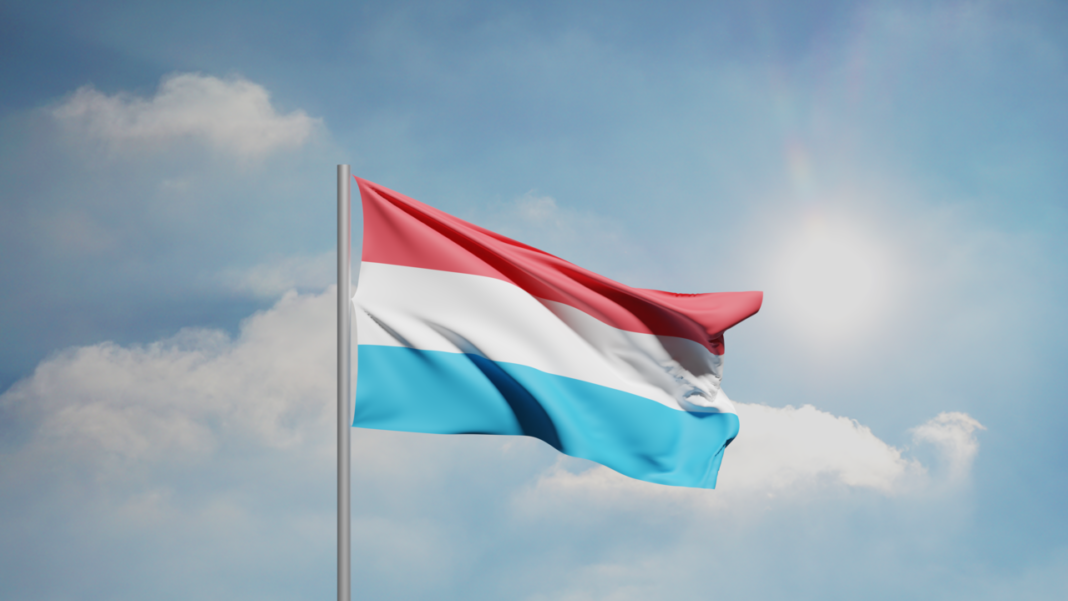

A ministry communiqué confirms that The statement from the Ministry of Foreign and European Affairs, Defence, Development Cooperation and Foreign Trade details Luxembourg’s response to a rising global crisis – 82 worker deaths attributed to humanitarian action worldwide since the start of 2026. This underscores the increasing vulnerability of those delivering aid in conflict zones, disaster areas, and public health emergencies. The urgency of safeguarding humanitarians is now a central pillar of Luxembourg’s engagement with international crises.
Background: The press release frames Luxembourg’s actions within the context of a sustained increase in global humanitarian need, exacerbated by the ongoing financial crisis impacting international aid systems. This situation is further complicated by escalating conflicts – including those in Yemen, Myanmar, Sudan, and Burkina Faso – alongside major events such as the crises in Sudan, Gaza, and Ukraine. The statement references the Bureau of Humanitarian Coordination (BHC) data on worker deaths, emphasizing the unprecedented levels of risk faced by humanitarian personnel. Luxembourg’s commitment is articulated within a framework of adhering to humanitarian principles, respecting international humanitarian law (IHL), promoting innovation, and providing predictable support to its partners.
Analysis: The statement reveals a calculated prioritization of vulnerable crises – those often underfunded like Yemen, Myanmar, Sudan, and Burkina Faso – alongside major emergencies. This suggests a strategy aimed at demonstrating commitment where the need is greatest, regardless of immediate funding levels. The government’s increased support for the Middle East and Sudan, currently considered the world’s most severe humanitarian crisis, reflects a recognition of mounting risks. The deployment of operational capabilities through emergency.lu highlights Luxembourg’s preparedness to rapidly respond to urgent situations. This also indicates an acknowledgement that traditional aid models are struggling to cope with escalating complexities.
Implications: For policymakers, Luxembourg’s intensified engagement signals a potential shift in European foreign policy towards greater emphasis on protracted crises and the protection of humanitarians. Should the visit yield increased support for these regions, it would bolster the credibility of the EU’s humanitarian commitments. Regionally, this demonstrates a willingness to confront complex challenges in conflict zones – implications extend beyond immediate response efforts into long-term stabilization strategies. The continued trade and security relationships with nations impacted by crises will be influenced by Luxembourg’s commitment to providing aid and support.
Outlook: If the visit to Sudan yields increased operational capacity and funding, Luxembourg could become a key player in coordinating international responses. Should the situation in Gaza remain unresolved, further bolstering support for humanitarian organizations operating within the region is likely. The government’s focus on innovation – through partnerships with LIST and the HCR – suggests a continued investment in leveraging technology to improve crisis response.
Conclusion: Luxembourg’s renewed commitment to humanitarian action raises a fundamental question about the sustainability of international aid efforts in an era of escalating global instability. The continued prioritization of worker protection and innovative approaches will determine whether this engagement can effectively mitigate human suffering or simply address the symptoms of a deeper, more intractable crisis.