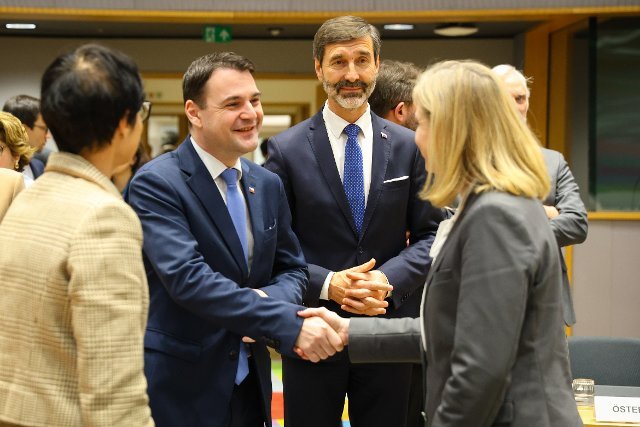
Details in a press release show that The ongoing war in Ukraine dominated discussions at the EU Foreign Affairs Council (FAC) meeting in Brussels on Monday, March 16, 2026, as Minister of Foreign Affairs Petr Macinka represented the Czech Republic. The most immediate consequence of this meeting centers around the stalled 20th package of sanctions against Russia, a situation that threatens to further destabilize energy supplies across Central Europe, according to the statement. This matter is particularly relevant given the existing tensions between some EU Member States and Ukraine regarding oil deliveries through the Druzhba pipeline – a fact highlighted by Minister Macinka.
Background
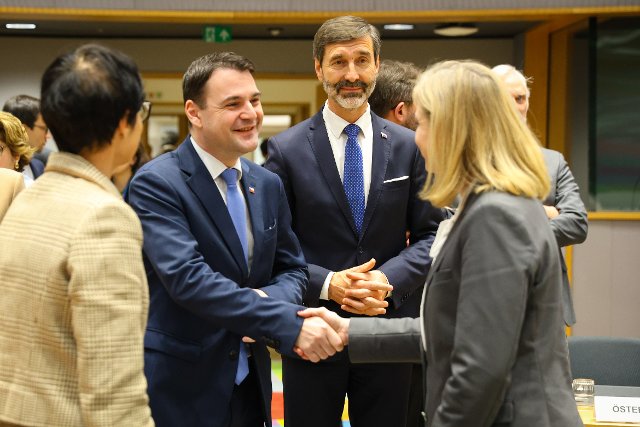
The FAC meeting, convened at 17:00 on March 16, 2026, included participation via videoconference from Ukraine’s Minister of Foreign Affairs Andrii Sybiha. The agenda focused heavily on the dispute surrounding the 20th sanctions package, a disagreement involving Slovakia and Hungary regarding restrictions on Russian oil imports. This situation has created an impasse within the EU, hindering further action against Russia. The statement does not address the specific details of this dispute.
Analysis
Minister Macinka’s proposal for an independent mission of energy experts to Ukraine represents a strategic maneuver aimed at de-escalating the situation and offering a tangible solution. This suggests Prague views the sanctions impasse as primarily driven by political considerations rather than genuine concerns about Russian energy influence. The statement does not address the potential motivations behind Slovakia’s and Hungary’s resistance.
The inclusion of India’s Minister of External Affairs Subrahmanyam Jaishankar in a working lunch underscores the Czech Republic’s broader efforts to diversify its foreign relations, particularly within the context of evolving geopolitical dynamics in the Middle East. The discussion on regional stability, especially concerning maritime security and the Strait of Hormuz, reflects a recognition of wider European vulnerabilities.
The S3 format meeting – involving Austria and Slovakia – demonstrates a commitment to continued coordination among Central European nations on key foreign policy issues. This suggests a shared assessment of the challenges posed by the conflict in Ukraine and its broader implications for regional security. The proposal for a joint visit to the Western Balkans highlights an interest in promoting stability and engagement within the region, if implemented as described.
Implications
The Czech Republic’s proactive approach – specifically the proposed energy mission – carries implications for broader EU sanctions policy. Should this initiative succeed in facilitating a resolution to the oil pipeline dispute, it could pave the way for the resumption of the 20th sanctions package and potentially exert greater pressure on Russia. The statement does not address whether other EU member states will support this approach.
Furthermore, the engagement with India signals a potential shift in Prague’s foreign policy orientation, reflecting a desire to strengthen economic ties and explore alternative sources of security cooperation. This could have implications for Czech trade relations and defense partnerships. The meeting with Cyprus highlights the ongoing humanitarian concerns related to regional instability.
Outlook
If the proposed energy mission yields positive results – specifically, if an independent assessment can be conducted and a pathway towards resolving the oil supply issue is identified – then Prague could position itself as a key mediator within the EU. Should the visit fail to produce a concrete outcome, the Czech Republic’s leverage within the FAC may diminish further.
Should Slovakia and Hungary remain resistant to accepting the terms of an independent mission, the disruption to oil supplies could persist, potentially exacerbating economic pressures in both countries and complicating the EU’s efforts to maintain a unified sanctions stance. The statement does not address contingency plans if this resistance continues.
Conclusion
The Czech Republic’s actions within the FAC reveal a persistent focus on addressing immediate security challenges, particularly concerning energy supplies. The question remains whether Prague’s efforts can translate into meaningful influence within the EU’s broader strategic decision-making processes.