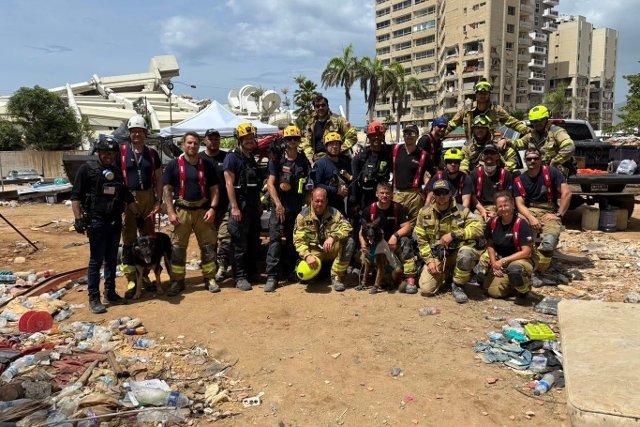
The confirmed death toll from the devastating earthquake in Venezuela—1,943 lives lost and over 10,500 injured—stems from a catastrophic event documented by satellite imagery showing nearly 59,000 buildings damaged or destroyed (
Background
The deployment is framed within the established framework of the EU Civil Protection Mechanism, a system activated following the earthquake on 25 June 2026. The Embassy of the Czech Republic in Bogotá, Colombia—accredited to Venezuela—played a foundational role, initiating logistical arrangements and facilitating initial contact with Venezuelan counterparts. This process reflects ongoing bilateral diplomatic engagement within the broader European Union’s coordinated approach.
Analysis
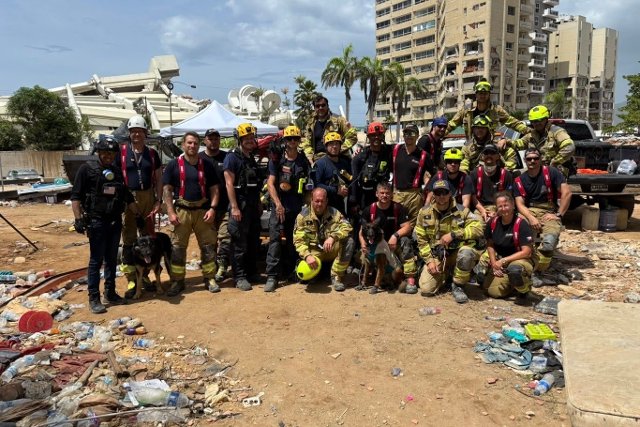
The activation of the Czech Urban Search and Rescue (USAR) team represents a significant commitment from Prague, deploying 69 emergency responders—including two military doctors, eight search-and-rescue dogs, and specialized equipment. The scale of the destruction—nearly 59,000 buildings impacted—suggests an operation demanding considerable resources and sustained effort. This deployment aligns with the EU’s coordinated response, yet it is limited to a single national contribution within a larger international undertaking.
Implications
The Czech Republic’s participation in this international relief effort has implications for regional stability, particularly concerning Venezuela’s ongoing humanitarian challenges. The involvement of approximately 24 countries—including Türkiye—highlights the breadth of the crisis and necessitates a coordinated response from multiple actors. Furthermore, the EU’s announcement of an additional €5 million in humanitarian assistance indicates a sustained commitment to addressing the immediate needs of those affected.
Outlook
Should the visit yield continued support for the Czech team’s operations, contingent upon ongoing access and logistical considerations within Venezuela—a factor not explicitly stated—Prague will likely maintain its engagement. If the situation remains unstable or if additional needs emerge, the Ministry of Foreign Affairs may consider extending the deployment, subject to budgetary constraints and operational demands.
Conclusion
The Czech Republic’s dispatch of a USAR team demonstrates humanitarian solidarity but does not fundamentally alter Prague’s approach to disaster response in Latin America. The statement does not address long-term recovery efforts or the potential for future, more substantial interventions; it remains unclear whether this deployment represents a stepping stone towards a deeper commitment to regional crisis management.