
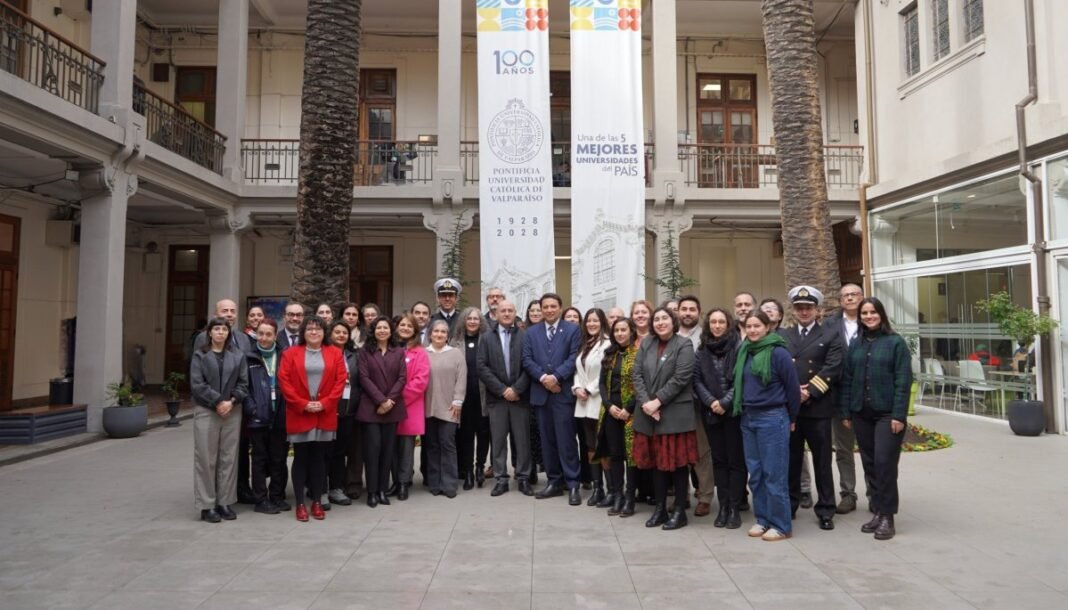

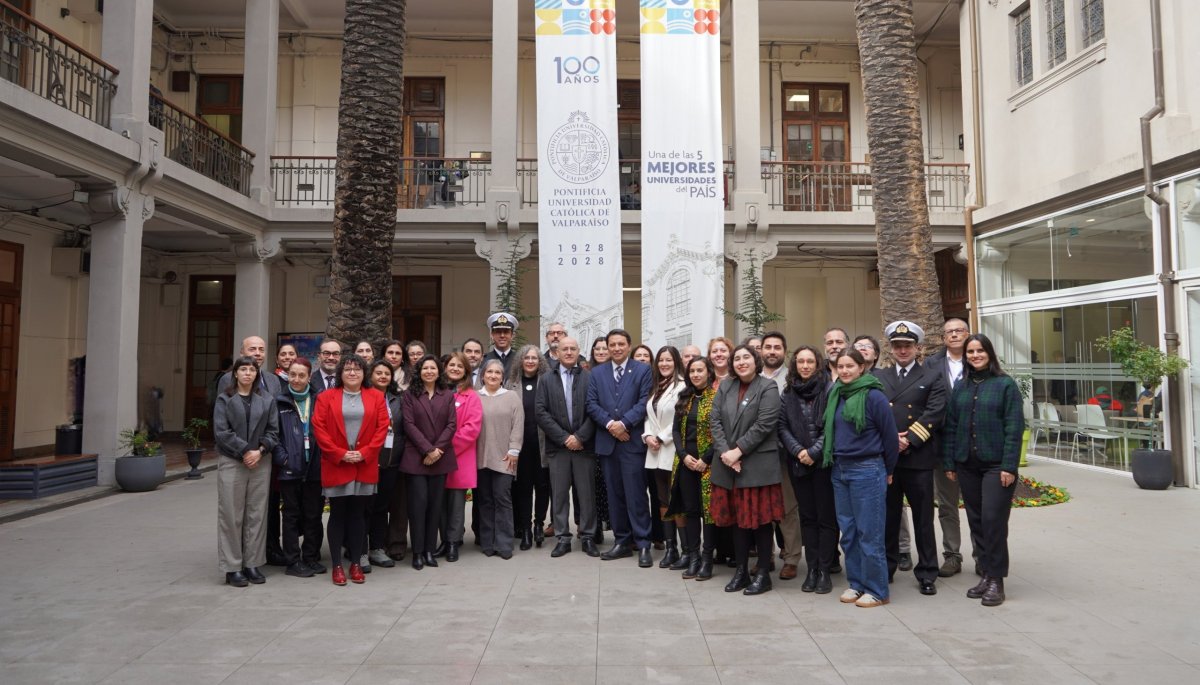
The Chilean government, through its Ministry of Foreign Affairs, is actively positioning Valparaíso as the central hub for governing marine biodiversity beyond national waters. This occurred during two intensive workdays held at the Pontificia Universidad Católica de Valparaíso (PUCV) focused on defining Chile’s roadmap for implementing the historic Agreement on the Conservation and Sustainable Use of Marine Biological Diversity Beyond National Jurisdictions, more commonly known as the BBNJ agreement. This initiative matters because it represents a significant step in Chile’s commitment to international ocean conservation efforts and its ambition to lead in this critical area – a goal underscored by the appointment of Valparaíso as the potential host for the BBNJ’s secretariat.; see the full statement.
Background
The event, part of the “Support for the Ratification and Implementation of the BBNJ Agreement” project, is funded by the Global Environmental Facility (GEF) with support from the United Nations Development Programme (UNDP) in Chile as the implementing agency. The agreement itself, formally adopted in 2023, establishes a framework for conserving and sustainably using marine biodiversity beyond national jurisdiction – a critical area given the increasing pressures on deep-sea ecosystems. Prior to this workshop, the statement does not mention specific prior meetings or agreements, but it frames the activity as building upon Chile’s ongoing efforts towards ratification of the treaty. The project timeline is linked to broader international discussions surrounding marine conservation and sustainable resource management.
Analysis
The core of this initiative centers on a multisectoral and territorial dialogue, designed to identify capabilities and challenges related to BBNJ implementation. Stakeholder incentives are clearly aligned with Chile’s national interests – bolstering its maritime economy while demonstrating leadership in global environmental governance. The involvement of diverse actors—from government ministries like Environment and Fisheries to academia, industry associations, and indigenous communities—highlights the complexity of securing widespread support for such a transformative agreement. The inclusion of figures like Ambassador Julio Cordano, Director of the Division of Environment, Climate Change and Oceans (DIMA) within the Ministry of Foreign Affairs, demonstrates a strategic prioritization of this issue on the international stage. Dr. José Luis Guerrero, Dean of the Faculty of Law at PUCV, emphasizing university roles in ocean governance underscores the importance of legal frameworks and scientific research. The use of innovative methodologies – facilitated by Mariana Cruz, coordinator of the GEF/UNDP project – signals an attempt to move beyond traditional bureaucratic processes toward a more collaborative approach.
Implications
The confirmation of Valparaíso as a potential BBNJ secretariat site carries significant geopolitical implications. It elevates Chile’s standing within the framework of international ocean governance, potentially attracting investment and expertise related to deep-sea resource management. The focus on territorial engagement – particularly with indigenous communities and local fisheries—suggests a commitment to incorporating diverse perspectives into decision-making processes. Furthermore, the emphasis on robust implementation strategies for the BBNJ agreement could influence similar initiatives globally, setting standards for sustainable marine practices. This activity directly supports Chile’s broader diplomatic agenda and its ability to shape international norms concerning ocean conservation.
Outlook
Should the visit yield successful outcomes in terms of securing the secretariat designation, Chile’s commitment to multilateralism will be further reinforced. If the collaborative methodologies prove effective in developing a comprehensive implementation roadmap, it could serve as a model for other nations grappling with complex marine conservation challenges. However, should the negotiations surrounding the secretariat site encounter resistance or delays – the statement does not address this possibility – Chile’s influence within the BBNJ framework may be diminished. The success of this initiative hinges on continued engagement and collaboration across diverse stakeholder groups.
Conclusion
The workshops in Valparaíso represent a concerted effort to translate global agreement into tangible action, but the ultimate test will lie in Chile’s ability to mobilize resources and foster genuine partnerships – leaving open the critical question of whether this strategic positioning translates into effective ocean stewardship.