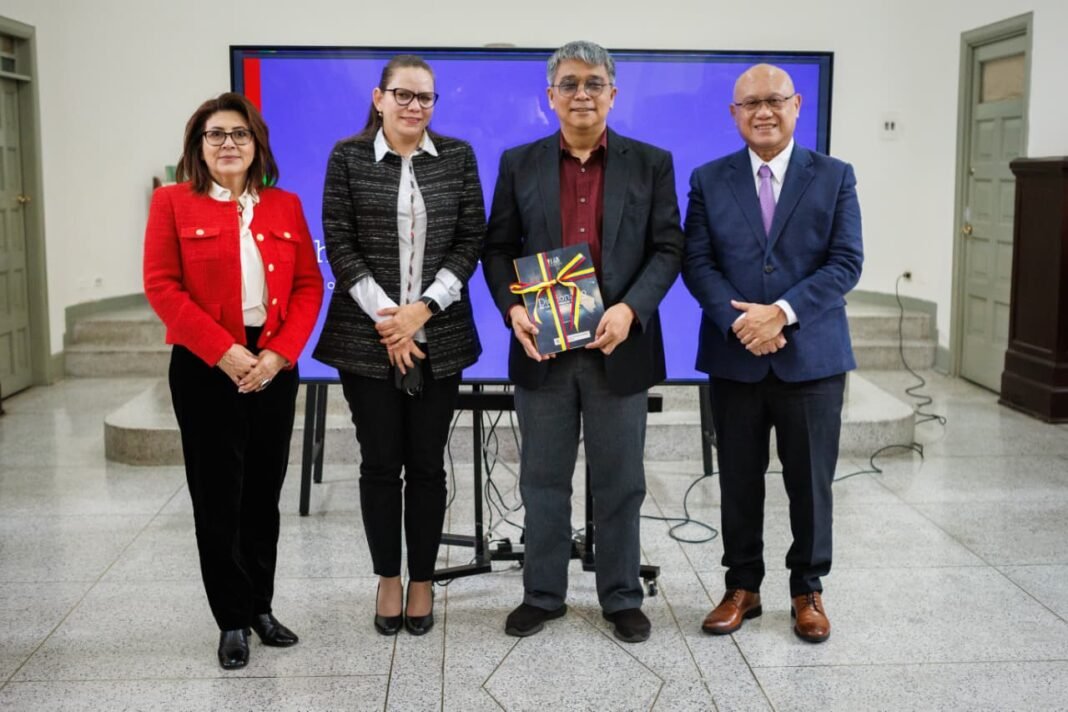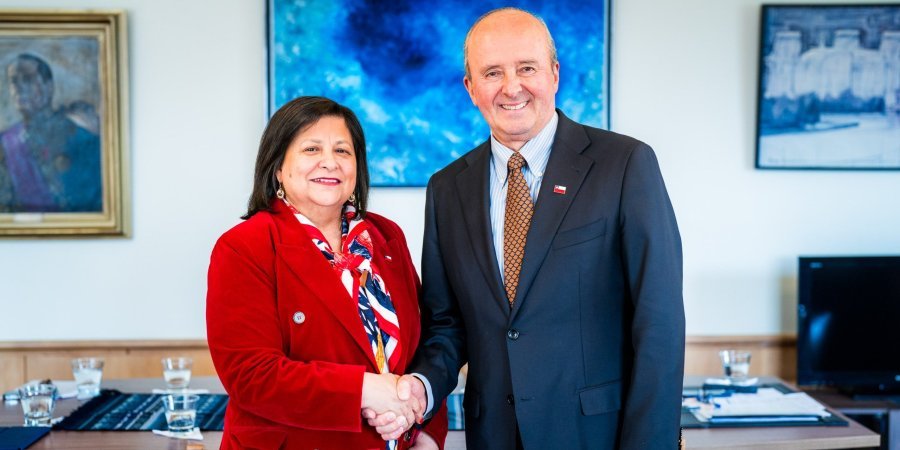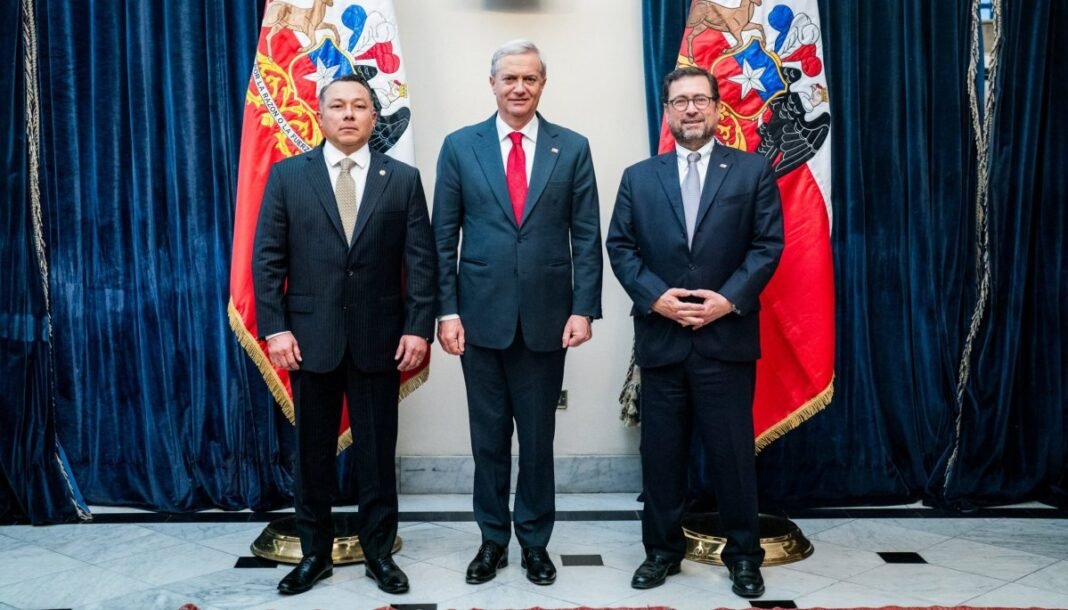
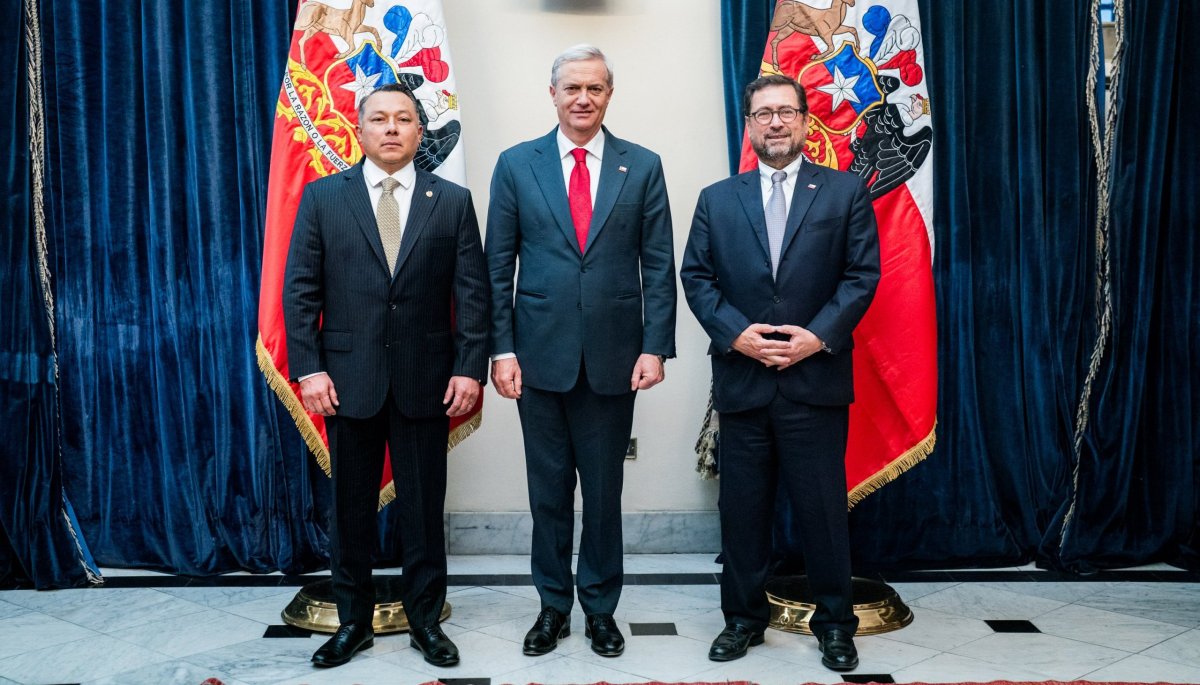
On Saturday, September 19, 2026, the Minister of Foreign Relatios, Francisco Pérez Mackenna, accompanied President José Antonio Kast at the Palacio de La Moneda in the presentation of the Credentials Letters of seven ambassadors accredited to the State of Chile. The statement does not address the specific reasons for these new accreditations.; see the full statement.
Background
The presentation of the Credentials Letters constitutes the official document whereby a Head of State accredits an ambassador as his representative before another country. The event further reinforces Chile’s bilateral relations and strengthens political, economic, commercial, cultural, and cooperative dialogue spaces with various nations. This action is consistent with prior diplomatic engagements, as documented in a meeting between the Foreign Minister, Francisco Pérez Mackenna, and the United States Ambassador to Chile, Brandon Judd, on Thursday, September 17, 2026, at the Palacio de La Moneda. In March the ministry said that the minister accompanied President Kast in a meeting with the US Ambassador to Chile.
Analysis
The formal accreditation of these seven ambassadors – representing Malaysia, Belgium, Denmark, Algeria, El Salvador, Finland, and the Czech Republic – represents a standard diplomatic procedure. The statement does not address the potential implications of increased engagement with these specific nations. The act of presenting the Credentials Letters signifies a renewed commitment to bilateral relations, a common practice observed during Chile’s Fiestas Patrias celebrations, which the Ministry of Foreign Relations participated in alongside the Subsecretary of International Economic Relations, Paula Estévez, and the Subsecretary of International Relations, Patricio Torres, on Friday, September 18, 2026.
Implications
The accreditation of these ambassadors carries implications for Chile’s foreign policy agenda. Should the visit yield continued engagement, it could strengthen trade relations with Malaysia and potentially bolster Chile’s economic ties with the European Union through its representation in Belgium, Denmark, and the Czech Republic. The formalization of these relationships provides a framework for increased cultural exchange and cooperation, particularly with nations like Finland and El Salvador. The statement does not address the potential impact on Chile’s broader regional strategy.
Outlook
If the diplomatic engagements following the presentation of the Credentials Letters prove fruitful, Chile could see an expansion of its economic partnerships. Should the relationship with Malaysia continue to develop, it could lead to increased investment flows and trade agreements. The Ministry of Foreign Relations has previously engaged in similar activities – as evidenced by its participation in Fiestas Patrias celebrations – suggesting a sustained commitment to strengthening bilateral ties. The statement does not address the potential for further diplomatic initiatives.
Conclusion
The presentation of the Credentials Letters represents a procedural step in Chile’s ongoing diplomatic efforts, but the extent to which these relationships will translate into tangible benefits remains to be seen. The continued engagement of the Ministry of Foreign Relations with key international partners will be crucial in shaping Chile’s foreign policy priorities in the months ahead.