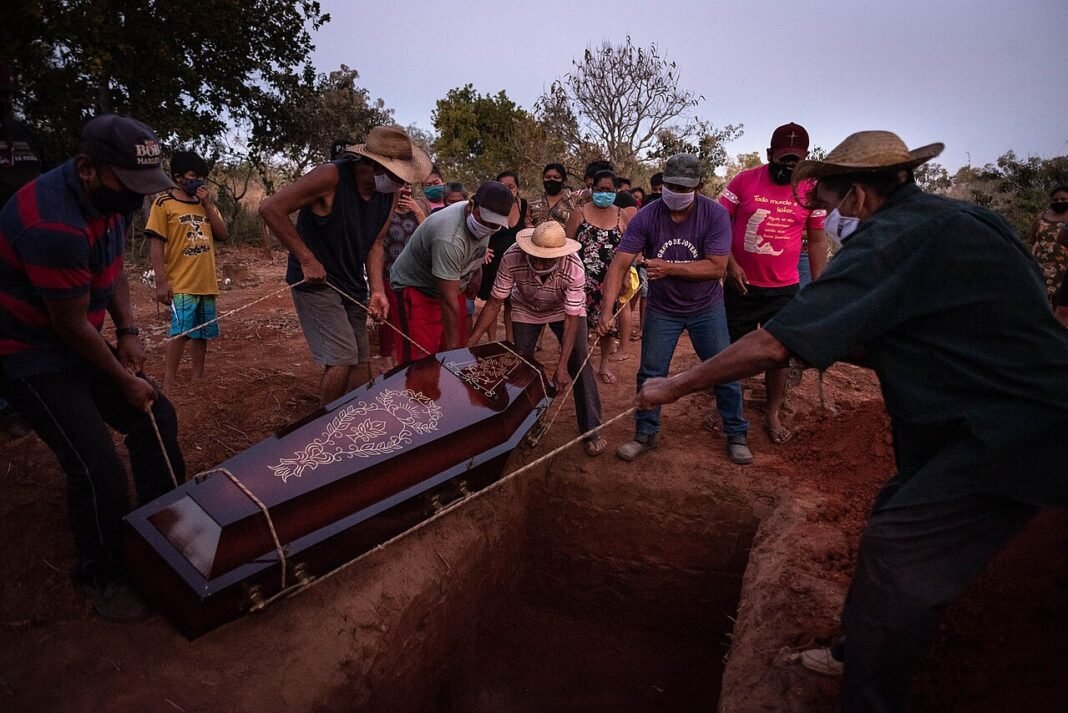
On 26 October 2026, the Coalition issued a statement following the events of 26 October 2025 in and around El Fasher. One year prior, the violence in and around El Fasher reached a devastating peak following months of siege and escalating attacks by the Rapid Support Forces (RSF). Civilians were subjected to horrific atrocities including mass killings, ethnically motivated killings, summary executions, torture, disappearances, forced recruitment, arbitrary detentions, and widespread sexual and gender-based violence. Entire communities were forcibly displaced, and humanitarian access was obstructed, exacerbating hunger, insecurity, human suffering and deprivation. The statement does not mention any investigations or indictments related to these events. — the full statement has further detail.

Context
The Coalition’s declaration represents a formal acknowledgement of the severe human rights violations that occurred in El Fasher. The statement confirms the government’s commitment to “justice for the victims” and “accountability for those responsible.” However, the release offers no detail regarding any planned action, including potential sanctions, legal proceedings, or support for transitional justice mechanisms. The statement does not address the ongoing security situation in Darfur or the broader implications for regional stability. It does not mention any engagement with international partners, including the United Nations or the African Union, regarding a coordinated response. The Coalition’s action is primarily a rhetorical one, focusing on the principle of accountability rather than outlining a tangible strategy.
What to Watch
Should the visit by the Special Envoy yield no substantive commitments, the Coalition’s stated intention to pursue accountability remains largely symbolic. If the Special Envoy’s mandate is expanded to include, for example, advocating for international criminal court referral, this suggests a potential shift in approach. The statement does not specify the criteria or conditions that would trigger further action. The Coalition’s commitment to “justice for the victims” is conditional on continued access for humanitarian organizations, a point the statement does not explicitly make. The statement does not address the ongoing challenges of gathering evidence and ensuring the safety of witnesses in a conflict zone.