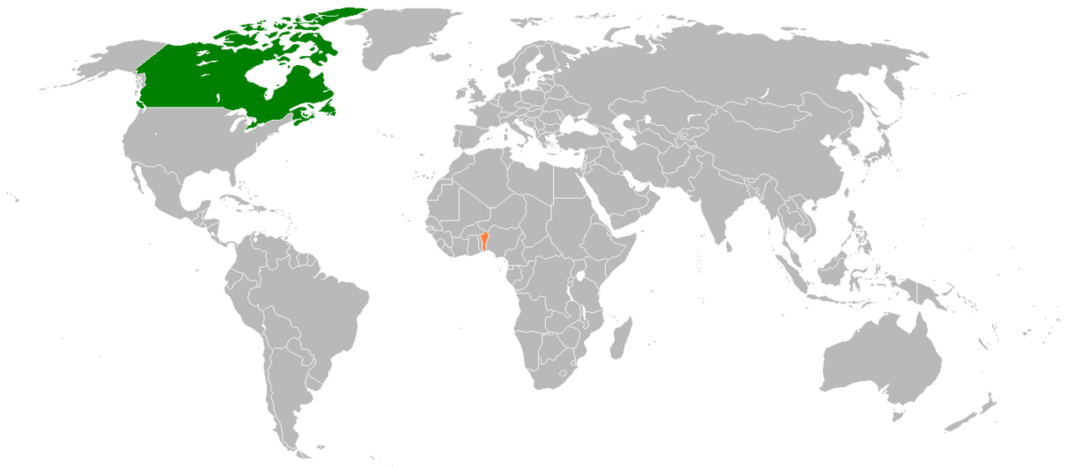
As set out in a formal announcement, Canada’s Minister of Foreign Affairs, the Honourable Anita Anand, concluded a two-day official visit to Benin on August 3rd, 2026, announcing a new stage in a strategic partnership between the countries. The announcement, jointly released by Global Affairs Canada and the Ministry of Foreign Affairs of Benin, outlined intentions to bolster political dialogue, expand economic cooperation, and reinforce shared commitments regarding peace, security, and sustainable development. This marks the first time a Canadian Minister of Foreign Affairs has undertaken an official visit to Benin. The statement noted that both governments recognized the importance of deepening ties amidst evolving global dynamics – specifically highlighting the need for enhanced collaboration on regional security challenges. Canada’s commitment is framed within its broader Indo-Pacific strategy, aiming to expand diplomatic influence across Africa. The initiative follows recent discussions between Ottawa and Praia concerning instability in Cabo Verde, where Benin shares a maritime border.

Context
The joint statement represents a deliberate effort by both governments to signal renewed engagement following a period of relative quiet diplomacy. It explicitly references “political dialogue” which the statement does not elaborate on, and “shared commitment to peace and security,” without specifying the nature or scope of that commitment. The focus on security is particularly noteworthy given ongoing instability in neighboring countries such as Togo and Côte d’Ivoire, and Benin’s history of political unrest. The Canadian government has been increasingly vocal about its concerns regarding regional security threats stemming from transnational crime and terrorism. The statement does not address the potential for Canada to provide security assistance to Benin, nor does it mention any specific areas of cooperation, such as training or intelligence sharing.
What to Watch
Should the visit yield a formal agreement outlining concrete steps in economic cooperation, particularly concerning trade and investment, this would represent a significant development. If the Canadian government intends to provide technical assistance related to sustainable development goals, as hinted at within the joint statement, it would be crucial to observe whether Ottawa’s approach aligns with its broader commitment to supporting democratic governance and human rights—the statement does not mention these aspects. The governments have indicated they will convene a working group to explore opportunities for collaboration on maritime security, but the statement provides no details regarding the scope of this collaboration or the potential involvement of external partners. The next step is the scheduling of a follow-up meeting between the two Ministers.