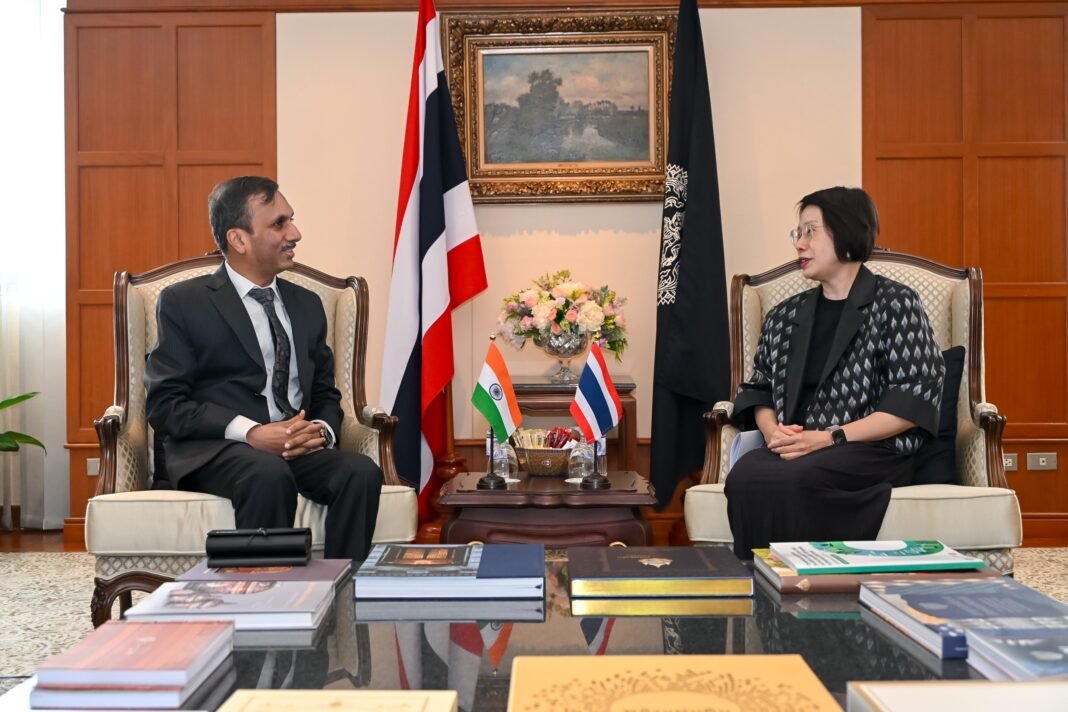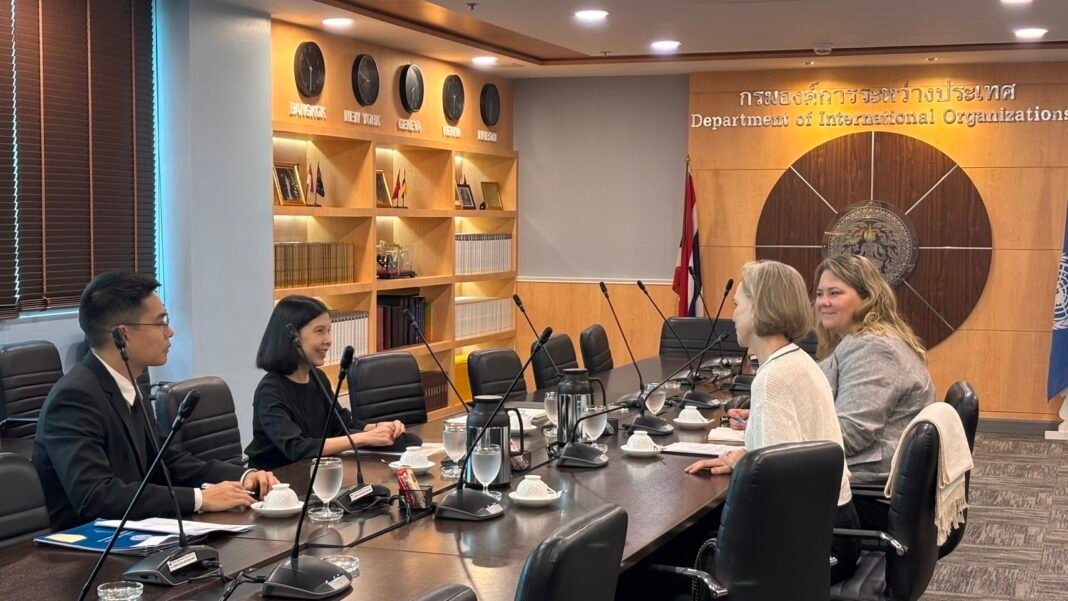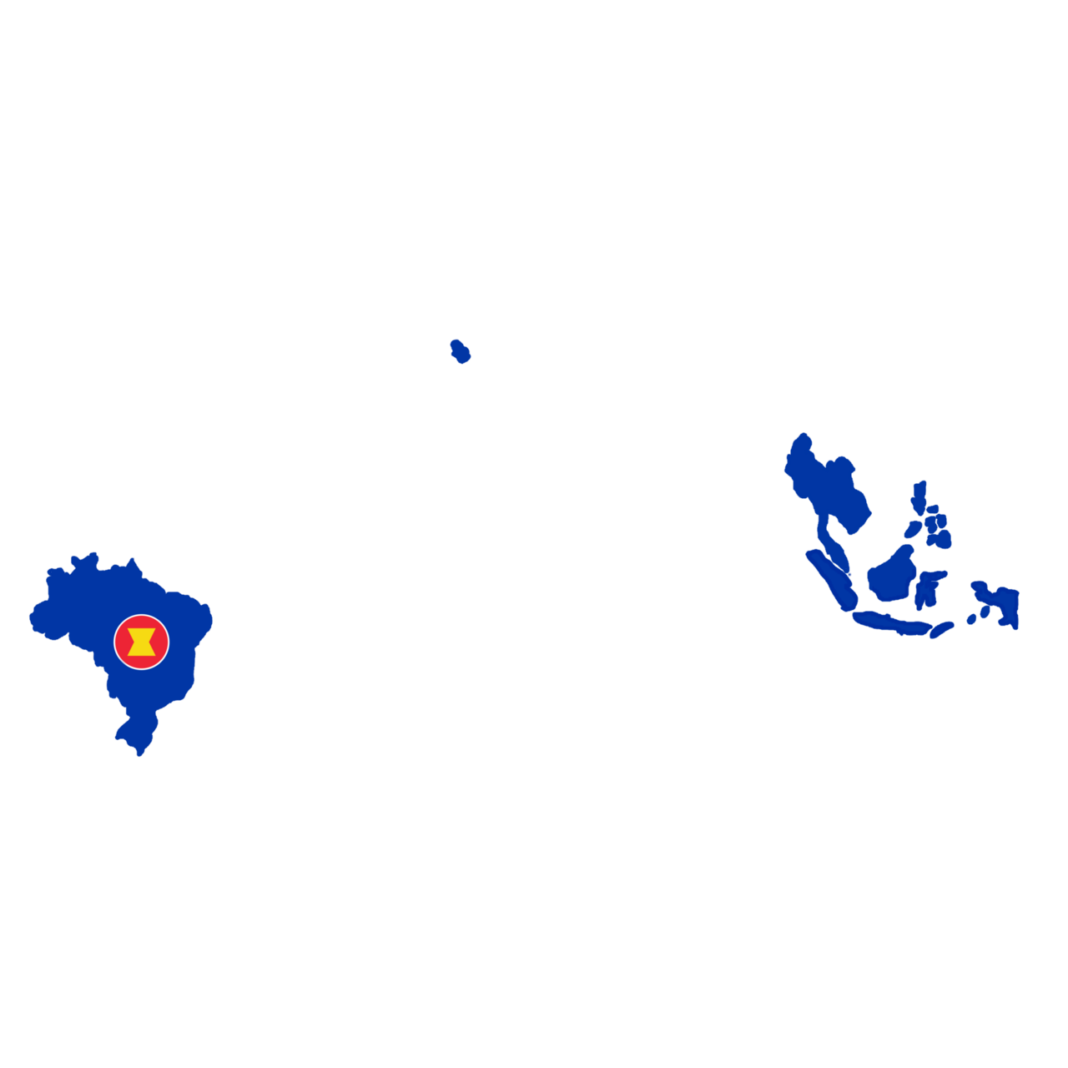
As set out in a formal announcement, The Brazilian government’s invitation for the Secretary-General of the Association of Southeast Asian Nations (ASEAN), Dr. Kao Kim Hourn, marks a first of its kind visit by a regional head to Brazil – the statement indicates. This event matters because it represents a deliberate effort to deepen ties with a rapidly growing economic bloc and potentially diversify Brazil’s trade relationships beyond established partners. The press release details a series of meetings focused on key areas of interest, signaling a strategic shift in Brasília’s foreign policy priorities.

Background
The visit follows ongoing initiatives aimed at fostering political engagement between Brazil and the Sudeste Asiático region. It is intended to increase mutual understanding regarding shared interests and potential cooperative opportunities with ASEAN and its member states. The statement highlights that the ASEAN bloc comprises eleven nations within Southeast Asia, constituting a significant area of global economic growth. This approach aligns with Brazil’s efforts to diversify political and economic partnerships while strengthening ties with the Sudeste Asiático.
Analysis
The substantial trade volume between Brazil and ASEAN – totaling US$ 38.4 billion in 2025 – demonstrates a pre-existing commercial relationship. This data reveals that ASEAN is currently Brazil’s fifth largest trading partner, trailing only China, the European Union, the United States, and the Mercosul economic bloc. The 15% annual growth rate observed since 2020 suggests an accelerating dynamic. The statement does not address the underlying drivers of this trade, nor does it detail potential areas for further expansion beyond existing commodities.
This initiative reflects Brazil’s desire to increase its influence within a region increasingly important to global supply chains. If implemented as described, the visit will likely focus on bolstering commercial relations and securing access to ASEAN’s growing markets. The inclusion of sectors like energy and food security suggests an awareness of strategic vulnerabilities.
Implications
The increased engagement with ASEAN has significant implications for regional stability, particularly in the context of evolving geopolitical dynamics. Should the visit yield tangible agreements on trade and investment, it could strengthen Brazil’s position as a key player within Southeast Asia. The statement does not address potential ramifications for existing alliances or Brazil’s relationships with other major trading partners.
Furthermore, increased cooperation in areas like biodiversity—a focal point of the visit—could have implications for environmental governance and sustainable development initiatives. The growing trade relationship also raises questions regarding regulatory standards and intellectual property rights, issues potentially impacting Brazilian exports.
Outlook
If the visit results in a renewed commitment to collaborative projects, particularly concerning energy resources – a key area of ASEAN growth – Brazil could secure access to new markets. Should the engagement primarily remain focused on trade negotiations, the impact on Brazil’s overall economic diversification will likely be limited. The statement does not address potential obstacles to deeper integration or long-term strategic alignment.
Conclusion
The Brazilian government’s initiative with ASEAN presents an opportunity for broadening its engagement. However, the extent of genuine cooperation and sustained growth remains dependent on addressing fundamental trade imbalances and navigating complex geopolitical considerations – a challenge that has yet to be clearly articulated by the Ministry of Foreign Affairs.