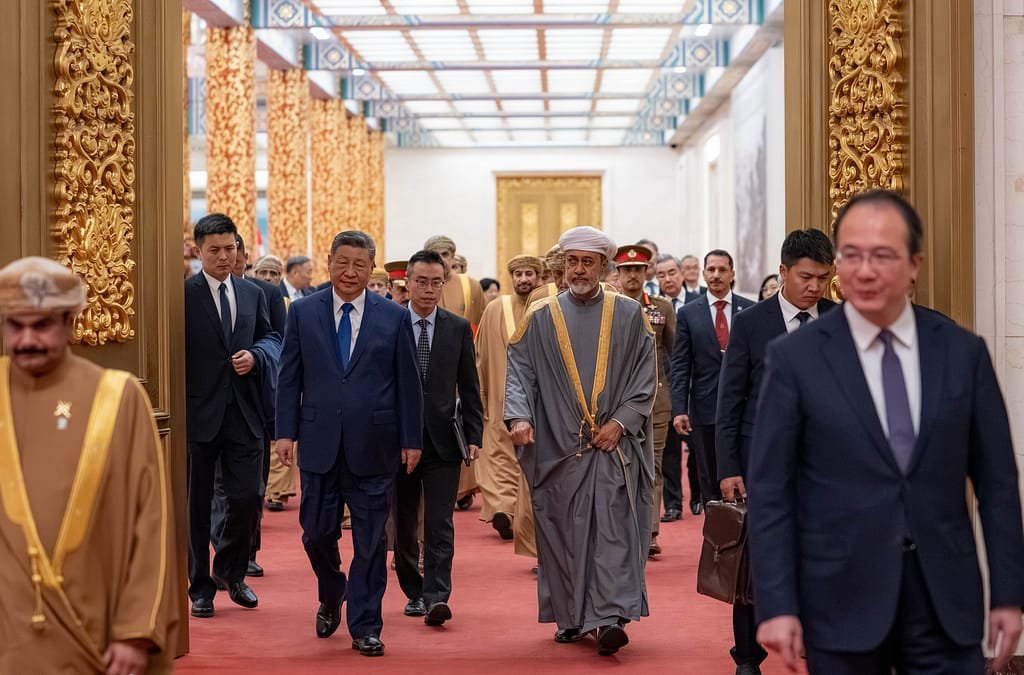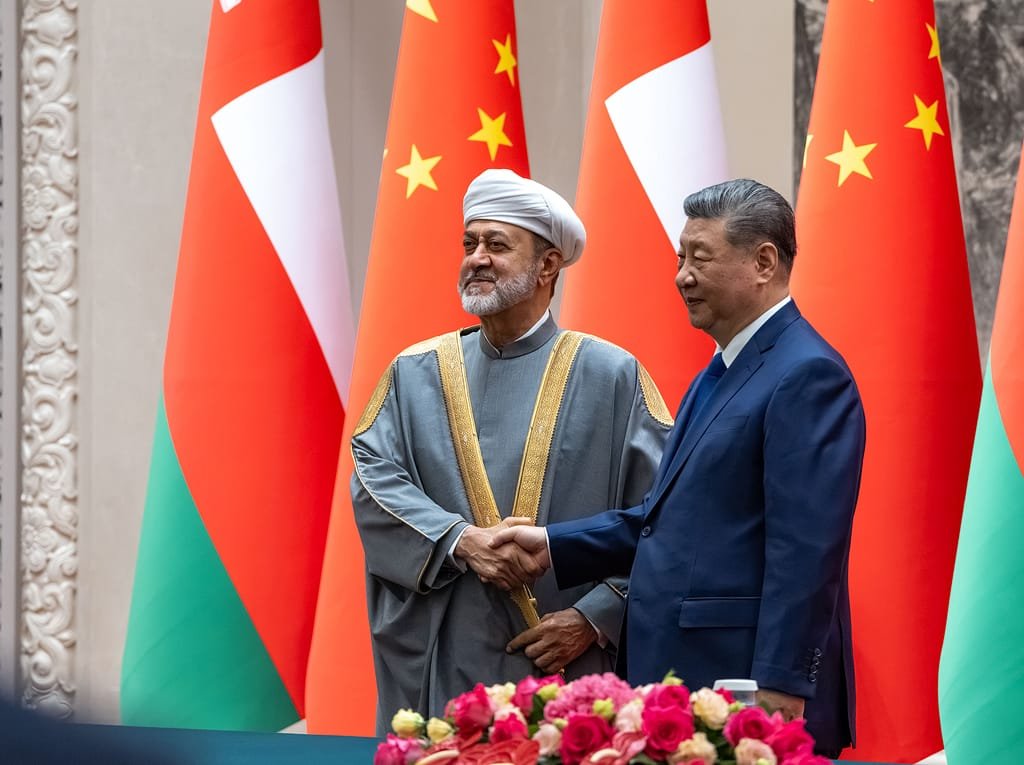
The official readout frames the trip as His Majesty Sultan Haitham bin Tarik witnessed the signing of a comprehensive agreement and fourteen memoranda of understanding with President Xi Jinping of the People’s Republic of China on 2 November 2026 at the Great Hall of the People in China. This action, encompassing currency exchange, investment, and technological cooperation, represents a significant step in solidifying Oman’s economic ties with a global power and addresses critical infrastructure needs. The statement does not mention the immediate impact of this agreement on Oman’s GDP or the overall value of bilateral trade.

Background
The visit follows a series of diplomatic engagements undertaken by His Majesty in recent months, including meetings with leaders in Kazakhstan and Angola, reflecting a broader strategy of diversifying Oman’s economic partnerships. The statement does not mention any prior agreements or negotiations that led to this particular suite of memoranda. The signing occurred within the context of the ongoing Belt and Road Initiative, although the statement does not explicitly frame this visit as a direct participation in the program. The Ministry of Foreign Affairs’ press release, dated 2 November 2026, outlines a timeline of engagements for this state visit, highlighting the importance of strengthening Omani-Chinese relations. The statement does not detail the duration of the visit or specific dates of planned meetings beyond the signing ceremony itself. Previous statements by the Ministry (from our archive – real, dated, citable) show a commitment to economic diversification and strengthening relationships with key global partners – specifically, a visit to Kazakhstan in October 2026 and a visit to Angola in September 2026.
Analysis
The agreements signify a move by Oman to deepen its engagement with China across multiple sectors. The memorandum covering investment cooperation in green development suggests a recognition of China’s technological advancements and a desire to leverage Chinese expertise in sustainable development. The inclusion of memoranda related to artificial intelligence, BeiDou satellite navigation, and data and the digital economy demonstrates Oman’s ambition to participate in emerging global technologies. This suggests an attempt to secure a competitive advantage within these rapidly evolving sectors. The signing of a currency swap agreement between the Central Bank of Oman and the People’s Bank of China is intended to enhance financial stability and support economic development. The scope of the MoU on competition protection and anti-monopoly signals a commitment to fostering a more open and competitive business environment, aligning with global best practices. The agreements represent a strategic effort to diversify Oman’s economy beyond traditional hydrocarbon exports and build a more resilient and technologically advanced economy. This suggests a deliberate attempt to mitigate risks associated with over-reliance on oil revenues and capitalize on emerging opportunities in the global market. The statement does not address the potential challenges associated with these collaborations, such as intellectual property rights or regulatory hurdles.
Implications
For policymakers, the agreements underscore the importance of continued investment in infrastructure, education, and technological development to support the implementation of these initiatives. The deepening trade relationship with China has significant implications for Oman’s export markets, particularly in dates, where bilateral trade reached approximately OMR 7.7 billion in 2025. The agreements could potentially unlock access to new markets for Omani products and services, bolstering the country’s economic growth. The expansion of cooperation in technological fields, particularly in artificial intelligence, has significant implications for Oman’s future economic competitiveness and its ability to attract foreign investment. The agreements could contribute to the development of a knowledge-based economy and create new opportunities for innovation and entrepreneurship. The enhanced connectivity facilitated by the agreements could improve Oman’s position as a regional trade hub, strengthening its role in global supply chains. The statement does not address potential geopolitical implications of closer ties with China, particularly in the context of regional security dynamics.
Outlook
Should the visit yield further agreement on the terms of the currency swap, the Central Bank of Oman could consider further collaborations with China’s People’s Bank of China. If the investment cooperation memorandum proves successful, Oman could attract significant foreign direct investment in priority sectors, accelerating economic diversification. If the technology transfer agreements are effectively implemented, Oman’s technological capabilities could be significantly enhanced, bolstering its competitiveness in the global market. The statement does not offer a specific timeline for the implementation of the agreements or outline any mechanisms for monitoring progress.