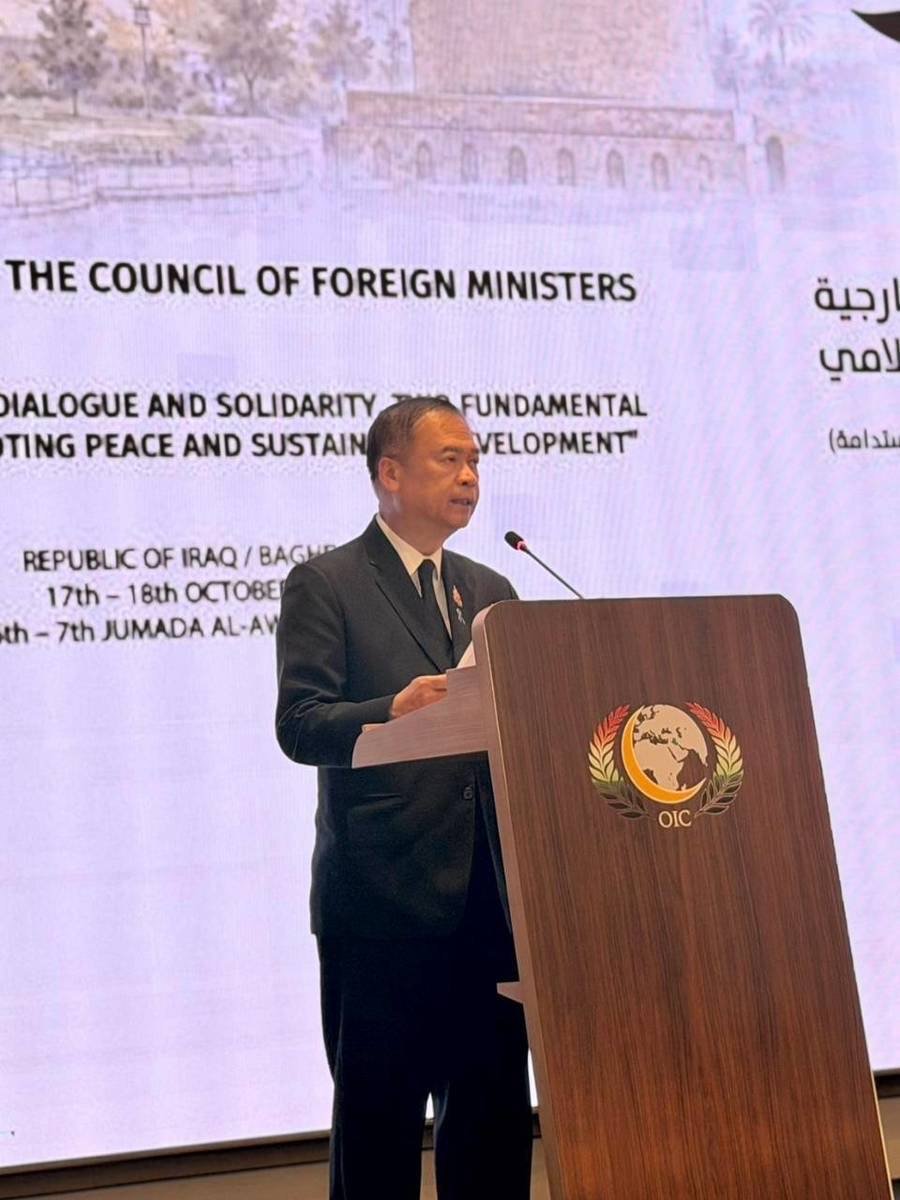
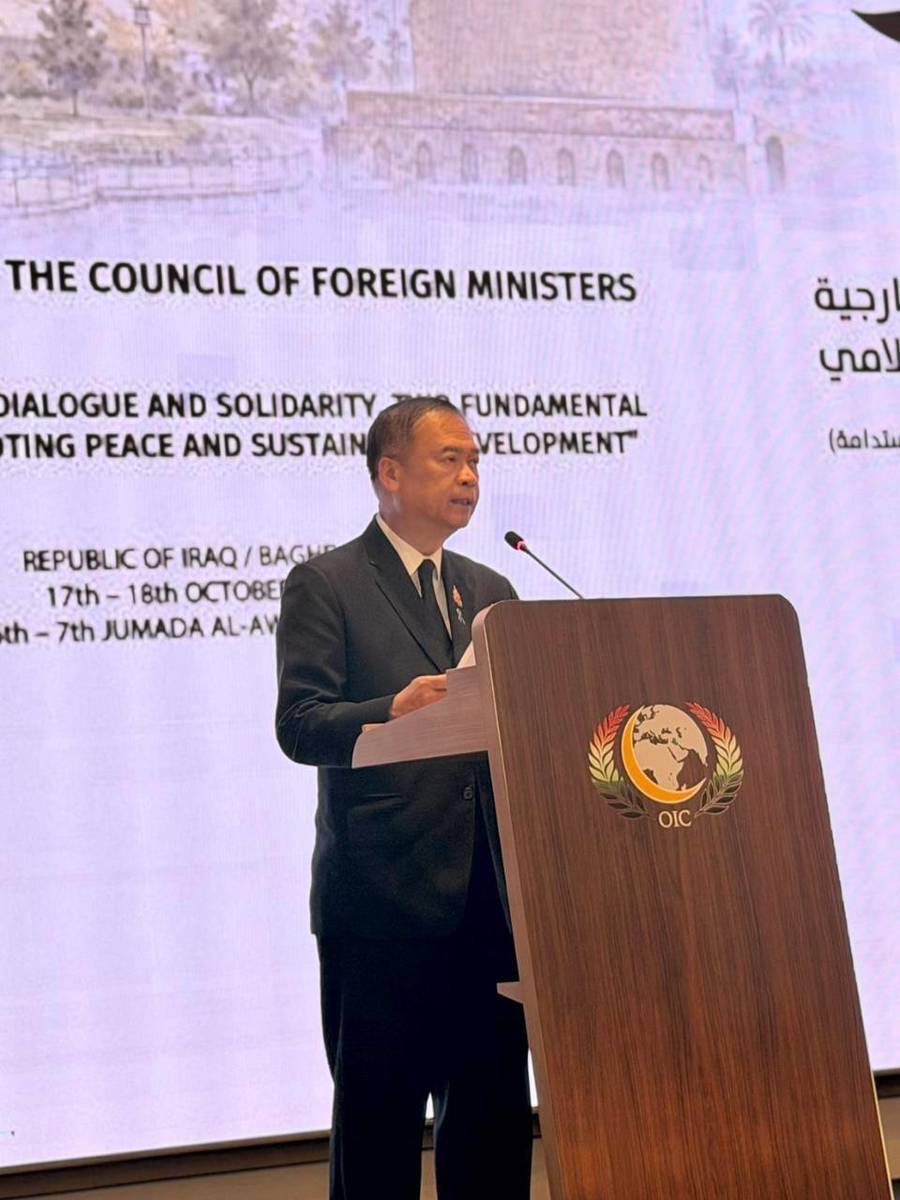
As set out in a formal announcement, On 17 – 18 October 2026, H.E. Mr. Vijavat Isarabhakdi, Vice Minister for Foreign Affairs, attended the 52nd Session of the Council of Foreign Ministers (CFM) of the Organisation of Islamic Cooperation (OIC) in Baghdad, Republic of Iraq. This event, themed “Dialogue and Solidarity: Two Fundamental Pillars for Promoting Peace and Sustainable Development,” represents a key engagement for Thailand within the broader Islamic diplomatic landscape. The statement does not mention the specific number of attendees or the total duration of the session. The importance of this meeting lies in Thailand’s continued efforts to strengthen relationships within the OIC and address ongoing humanitarian concerns, particularly those related to the Middle East.
Background
The 52nd CFM is a recurring forum within the OIC, providing a platform for member states to discuss a range of issues, including regional security and development. The organisation’s mandate, as outlined in the statement, focuses on promoting dialogue and solidarity amongst Muslim nations. The statement does not mention the specific history of Thailand’s involvement with the OIC, but references a 20-Year “5S” Foreign Affairs Masterplan. Prior to this meeting, the Ministry of Foreign Affairs had previously engaged in diplomatic visits to key OIC member states, including Canada and Germany, as detailed in communications from October 2026 (referencing the 26 Sep 2026 visit to Canada and the 6 Oct 2026 visit to Germany). The statement does not address any specific disagreements or tensions within the OIC that may have influenced the agenda of this CFM.
Analysis
The Vice Minister’s activities during the CFM demonstrate a strategic prioritization of Thailand’s foreign policy objectives. The focus on humanitarian assistance to the Palestinian people and the Rohingya reflects a longstanding Thai commitment to multilateralism and addressing global crises. The inclusion of discussions regarding Islamophobia underscores Thailand’s recognition of this complex issue within the OIC framework. The meetings with Ambassador Mohammed Hussein Mohammed Bahr Al-Uloom and Ambassador Sohail Mahmood signify a desire to deepen bilateral cooperation with Iraq and the D-8 Organization for Economic Cooperation, respectively. The consideration of re-opening a Royal Thai Embassy in Baghdad suggests a potential long-term commitment to bolstering Thailand’s diplomatic presence in the region. The statement does not address the potential motivations behind the embassy re-opening, but it indicates a willingness to re-establish a physical diplomatic footprint.
Implications
This visit carries implications for regional stability, particularly in the context of ongoing challenges in the Middle East. Thailand’s willingness to provide humanitarian assistance, as stated, positions it as a responsible actor within the OIC. Strengthening ties with Iraq through the D-8 framework could contribute to economic development and cooperation in the region. The possibility of re-opening an embassy represents a commitment to sustained engagement with Iraq and potentially other countries in the Gulf Cooperation Council (GCC). The statement does not mention any specific trade agreements or security collaborations that might result from these diplomatic efforts.
Outlook
Should the visit yield positive outcomes regarding humanitarian aid commitments, the Thai government will likely continue to prioritize support for the Palestinian people and the Rohingya. If the discussions with Iraq regarding the embassy re-opening prove fruitful, Thailand could significantly enhance its diplomatic presence in Baghdad. Should the Ministry of Foreign Affairs successfully secure agreements with the D-8 Organization for Economic Cooperation, Thailand could benefit from increased trade and investment opportunities. The statement does not address the potential challenges or obstacles that might impede these outcomes.
Conclusion
The Vice Minister’s participation in the 52nd CFM underscores Thailand’s continued dedication to regional diplomacy and humanitarian engagement. However, the statement does not explicitly outline a clear path forward for achieving these goals, leaving open the question of Thailand’s long-term strategic priorities within the OIC framework.
Sources & Further Reading
- Official press release
- Foreign ministry source
- Vice Minister for Foreign Affairs attends the Fiftieth Annual Meeting of the Ministers for Foreign Affairs of the Group of 77 in New York (26 Sep 202)
- Vice Minister for Foreign Affairs attends the Day of German Unity 2026 Reception (6 Oct 2026)
- Vice Minister for Foreign Affairs of Thailand visits Canada (19 Sep 202)