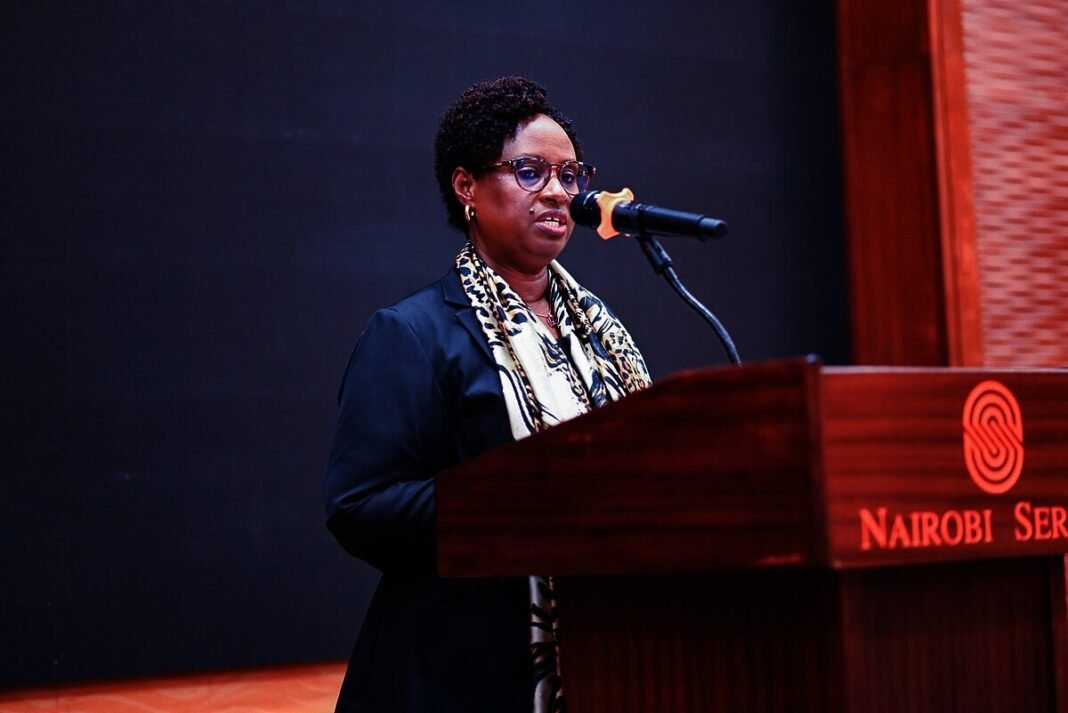
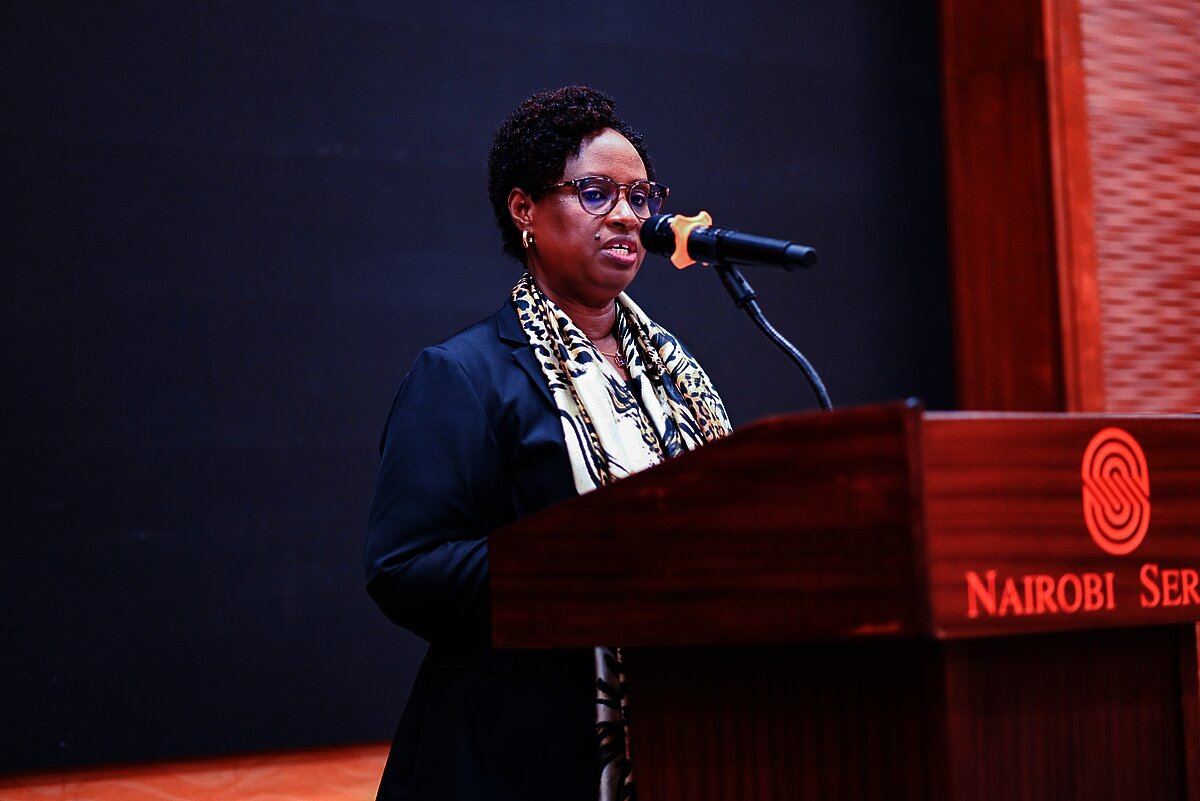
The foreign ministry readout describes Rwanda’s Minister of State Dr. Usta Kaitesi undertook a working visit to Kenya, during which she briefed High Commissioners and Ambassadors accredited to Rwanda and based in Kenya, as well as High Commissioners-Designate and Ambassadors-Designate. This activity matters because it represents a deliberate effort by Rwanda to cultivate and maintain diplomatic relationships within the region, explicitly targeting the diverse range of nations with which it seeks to deepen cooperation.
Background
The visit occurred on 8 October 2026 in Nairobi. The statement details a series of briefings undertaken by Minister Kaitesi, focusing on national and regional developments and opportunities to strengthen Rwanda’s cooperation. This follows previous engagements, including meetings with Ukrainian Members of Parliament (2 October 2026), discussions with the UN Envoy regarding peace efforts in Sudan (1 October 2026), and a visit to Mali to strengthen bilateral ties (13 October 2026). The ministry also cited ongoing discussions with South Sudan (12 October 2026) and Senegal (7 October 2026), alongside the signing of 11 bilateral instruments with Kenya (6 October 2026).
Analysis
The focus on briefings with ambassadors suggests a prioritization of established diplomatic channels. The inclusion of High Commissioners-Designate and Ambassadors-Designate indicates a proactive approach to establishing relationships before formal agreements are finalized. The tour of the Naivasha Inland Container Depot (ICD) alongside Minister of Infrastructure Hon. Damien Murwanashyaka and the High Commissioner to Kenya, Ernest Rwamucyo, underscores Rwanda’s commitment to improving regional trade logistics. The statement does not address the underlying economic drivers for this logistical focus, nor does it mention any specific trade disputes or bottlenecks that might be addressed through improved transport infrastructure. The visit, coupled with the signing of 11 agreements with Kenya, suggests a broader strategy to deepen economic ties and utilize the Northern Corridor more efficiently. This aligns with previous statements by the ministry regarding Rwanda’s ambitions for regional integration. The fact that the ministry references the Egypt’s Ambassador to Rwanda (17 September 2026) highlights a commitment to multilateral engagement, while the ongoing discussions with the UN Envoy demonstrate an interest in regional security issues.
Implications
For policymakers, the visit signals a continued commitment to multilateral engagement and regional trade facilitation. Should the visit yield positive outcomes in terms of logistical efficiency, it could bolster Rwanda’s position within the East African Community and facilitate increased trade flows. The signing of 11 agreements with Kenya – comprising two agreements and nine memoranda of understanding (MoUs) – suggests a diversified approach to economic cooperation, potentially spanning areas such as infrastructure, technology, and investment. This could have implications for regional stability, particularly if Rwanda’s efforts to improve transport infrastructure contribute to smoother trade routes and reduced tensions related to access to the Northern Corridor. The visit also underscores Rwanda’s role as a facilitator of regional dialogue, evidenced by its engagement with the UN Envoy and discussions with Kenyan counterparts.
Outlook
If the visit yields positive outcomes in terms of operational improvements at the Naivasha ICD, it could provide a basis for further negotiations regarding transit fees and customs procedures. Should the agreements with Kenya result in tangible investment in Rwandan infrastructure, it would represent a significant step towards realizing the country’s economic development goals. The continued engagement with international partners, as evidenced by the briefings with various ambassadors, suggests a long-term strategy for fostering collaboration and addressing regional challenges. The ministry’s focus on strengthening ties with the UN Envoy indicates a continued commitment to resolving conflicts in the Democratic Republic of Congo.
Conclusion
The statement provides a detailed account of diplomatic engagement, but the specific objectives and potential outcomes of these interactions remain largely undefined. The focus on strengthening bilateral ties through logistical improvements and diplomatic channels raises questions about Rwanda’s broader strategic priorities within the region – particularly concerning its role in addressing regional security challenges.