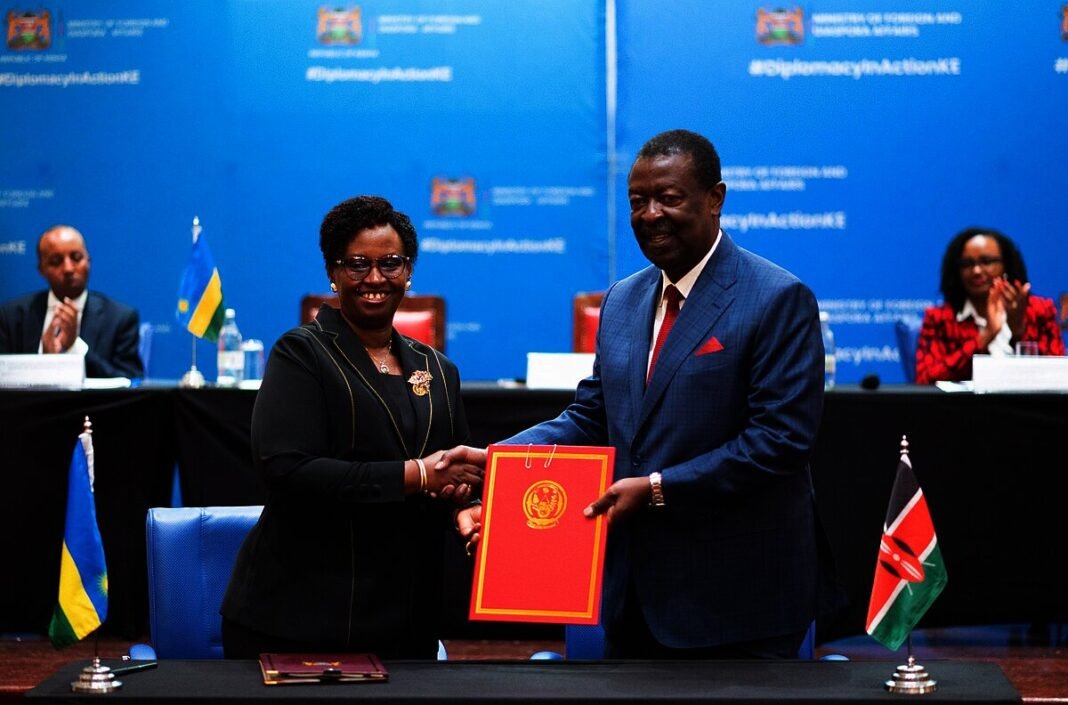
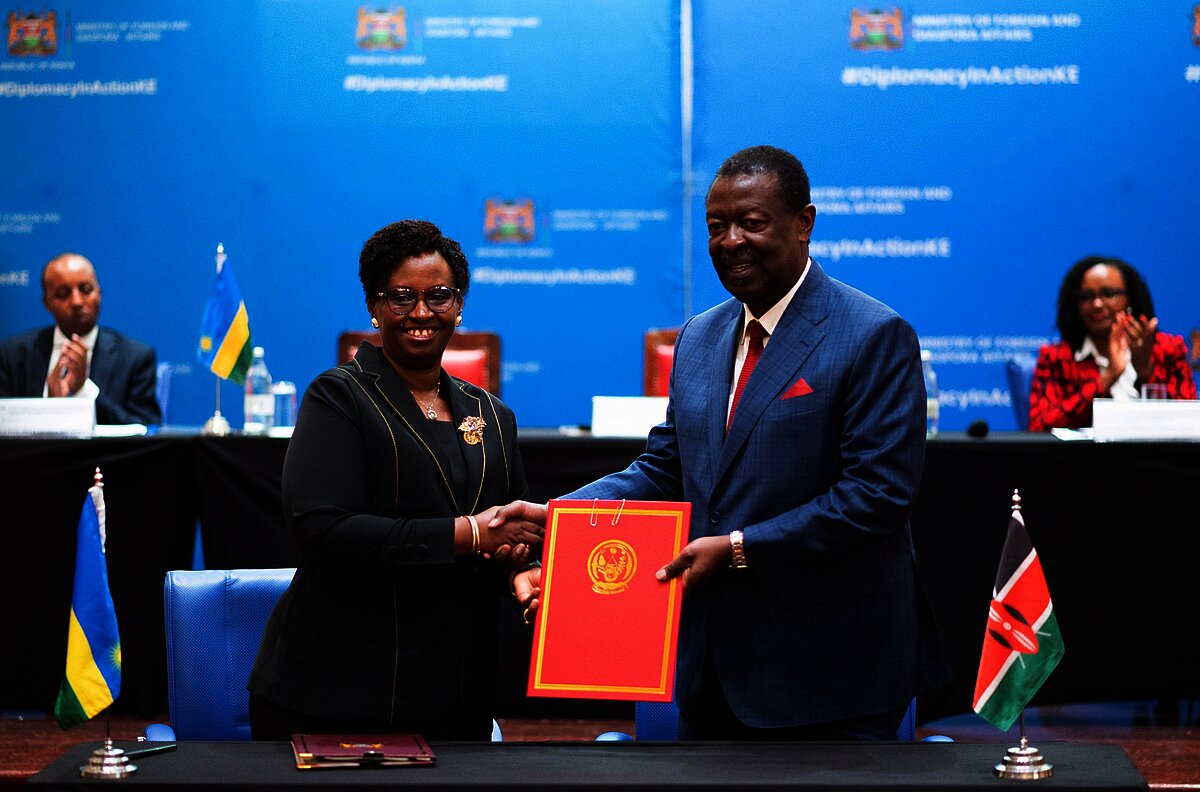
A ministry communiqué confirms that The signing of eleven bilateral instruments between Rwanda and Kenya, announced on 6 October 2026, represents a significant step in deepening economic and political relations between the two nations. The agreement, finalized at the conclusion of the 10th Session of the Kenya–Rwanda Joint Permanent Commission for Cooperation (JPCC) in Nairobi, underscores a shared commitment to broadening cooperation across multiple sectors, as stated by the Ministry of State Dr. Usta Kaitesi. This expansion of ties, occurring alongside ongoing discussions concerning regional stability – evidenced by recent meetings with UN and AU envoys – highlights a strategic prioritization of bilateral partnerships within a complex geopolitical landscape.
Background
The Kenya–Rwanda Joint Permanent Commission for Cooperation (JPCC) serves as the primary mechanism for coordinating bilateral relations between the two countries. The 10th Session of the JPCC, commencing on 5 October 2026, followed a technical session involving experts from both nations dedicated to reviewing existing cooperation and preparing for the ministerial session. Prior to this, in March, the ministry stated Rwanda and Togo sign three agreements to strengthen bilateral cooperation, a development that demonstrates a broader trend of engagement across the African continent. This framework provides a structured approach to addressing shared challenges and pursuing mutually beneficial opportunities.
Analysis
The signing of these eleven instruments reflects a deliberate effort by both governments to diversify their partnerships and bolster economic activity. The inclusion of agreements covering areas such as legal assistance, immigration matters, water resource management, and cultural heritage signals a comprehensive approach to cooperation. The MoU on Local Governance between Kenya and Rwanda is particularly noteworthy, suggesting a potential area for exchange of best practices and capacity building. The statement does not address potential tensions surrounding regional security or border issues, though the continued engagement with international actors – including the UN and AU – implies a recognition of these complexities. The inclusion of a MoU between Rwanda Investigation Bureau and Kenya National Police Service suggests a focus on cross-border crime and security cooperation.
Implications
For Rwanda, the expanded cooperation with Kenya potentially mitigates reliance on a single trading partner and strengthens its position within the East African Community. Should the visit yield further agreements, this would bolster Rwanda’s economic growth and contribute to regional stability. For Kenya, the agreements enhance its diplomatic portfolio and provide access to Rwandan markets and resources. The expanded cooperation also has implications for regional security, particularly concerning cross-border crime and the management of shared resources. The statement does not address the potential impact on trade flows or investment patterns.
Outlook
Should the visit yield further agreements, the continued momentum of this bilateral cooperation hinges on the successful implementation of the signed instruments. If the commitments outlined in the MoUs are effectively executed, this could foster greater economic integration and strengthen political ties. The ongoing engagement with international partners – as evidenced by continued discussions with the UN and AU – suggests a proactive approach to addressing regional challenges. The statement does not address any potential challenges to the implementation process or the possibility of future disagreements.