Background
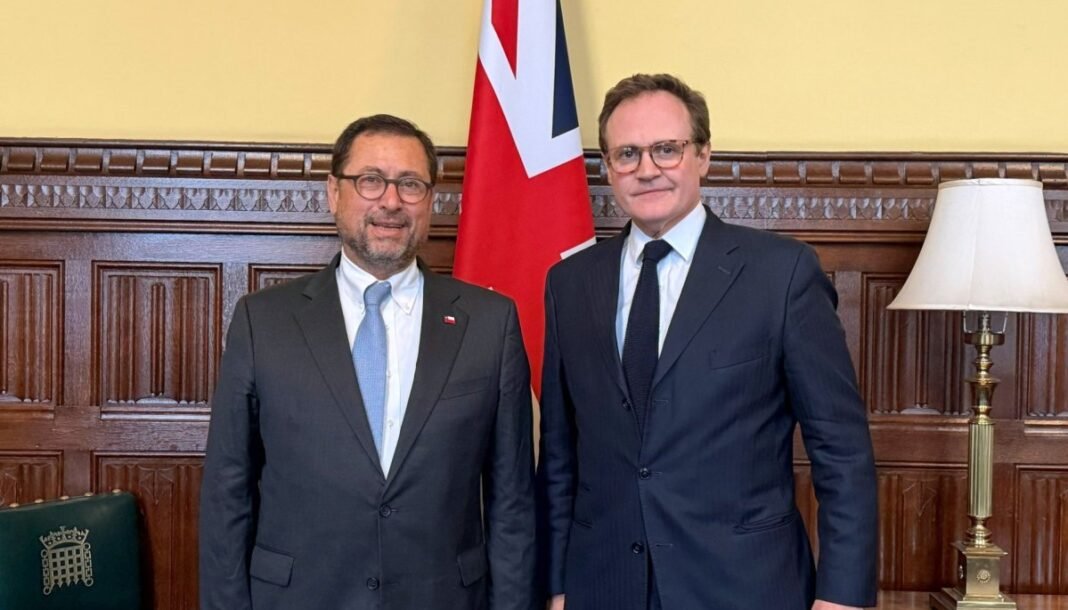
The press release details a meeting between Minister Patricio Torres, Minister for Foreign Affairs of Chile, and Heitor Kadri, Director of the Americas Office of the United Nations World Tourism Organization (UNWTO). This meeting occurred on Tuesday, October 20, 2026. The statement does not mention the specific location of the meeting. It highlights the ongoing efforts of the UNWTO to promote tourism development and cooperation within Latin America and the Caribbean. Furthermore, the statement references the “Año Internacional del Turismo Sostenible y Resiliente,” (International Year of Sustainable and Resilient Tourism), scheduled to commence in 2027. This initiative aims to diversify tourism offerings, foster community-based tourism, and support small and medium-sized enterprises, alongside promoting ecosystem protection and local economic development. The press release also notes the ongoing diplomatic engagement of the Chilean Ministry of Foreign Affairs, as evidenced by recent meetings with representatives from the United Kingdom, Canada, and Türkiye.
Analysis
The meeting between Torres and Kadri underscores Chile’s stated commitment to sustainable tourism. The emphasis on the 2027 International Year of Sustainable and Resilient Tourism suggests a strategic alignment with global efforts to reshape the tourism sector. This aligns with the broader trend of international organizations leveraging global events to drive specific development agendas. The statement does not address the specific topics discussed during the meeting, however, the focus on investment and good practices implies a potential avenue for securing financial and technical assistance from the UNWTO. The inclusion of this meeting alongside other diplomatic engagements – with the UK, Canada, and Türkiye – reveals a multi-faceted approach to Chile’s foreign policy, prioritizing bilateral relationships and international partnerships. The statement does not address the potential impact of these meetings on Chile’s mineral extraction industry, a significant component of its economy.
Implications
For policymakers, the meeting signals a willingness to embrace international collaboration on tourism development. Should the visit yield opportunities for securing funding and expertise from the UNWTO, it could bolster Chile’s efforts to diversify its economy beyond resource extraction. The emphasis on sustainable tourism could also influence Chile’s broader environmental policies. Regionally, the meeting contributes to strengthening ties with Latin American and Caribbean nations through the UNWTO’s network. The statement does not address the potential implications for trade relations, although increased tourism flows could stimulate demand for Chilean goods and services. It does not address any security implications arising from increased international engagement.
Outlook
If the meeting with Kadri yields a concrete agreement regarding technical assistance for the 2027 International Year of Sustainable and Resilient Tourism, it would represent a significant step forward for Chile’s tourism sector. Should the UNWTO demonstrate interest in supporting Chile’s efforts to diversify its economy, it could accelerate the transition away from a reliance on extractive industries. The statement does not address the challenges associated with implementing sustainable tourism initiatives, such as balancing economic development with environmental protection.