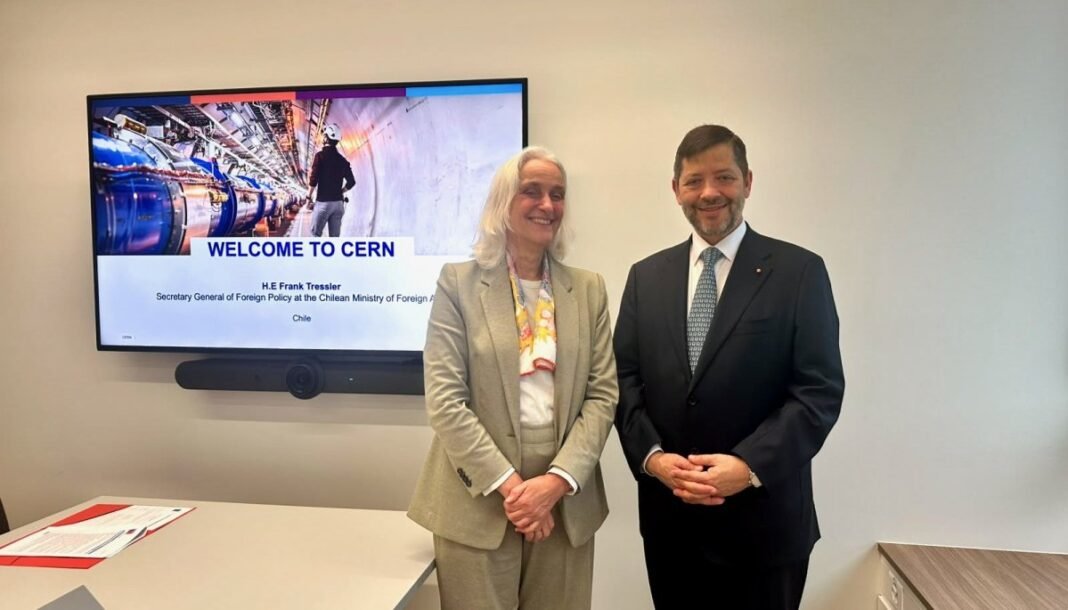
Details in a press release show that The Secretary General of Policy Exterior, Frank Tressler, undertook a working visit to Geneva, Switzerland, with an agenda focused on strengthening cooperation in scientific diplomacy, global health, humanitarian affairs, human mobility, and disaster risk reduction. This engagement underscores Chile’s commitment to multilateral solutions to complex global challenges. The visit, detailed in a Ministry of Foreign Affairs press release issued on Wednesday, October 14, 2026, highlights a strategic refocus on key international priorities.
Background
Prior to this visit, Chile has maintained ongoing dialogues with numerous international organizations across a range of sectors. The Ministry of Foreign Affairs has consistently emphasized the importance of collaborative efforts to address shared global risks and opportunities. The stated objectives align with Chile’s broader foreign policy goals of promoting sustainable development, advancing human rights, and fostering peaceful international relations. The press release does not mention specific prior meetings, but it establishes the context of sustained engagement.
Analysis
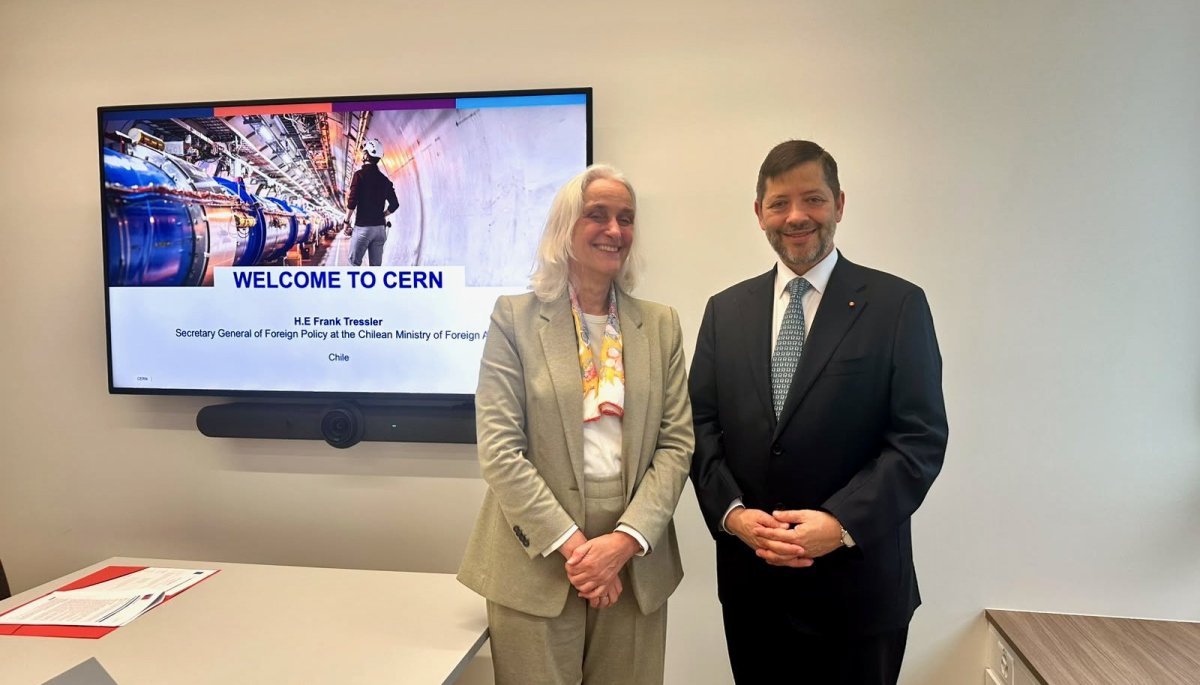
Tressler’s agenda reveals a deliberate prioritization of several key areas. The focus on CERN, led by Ursula Bassler, signals an interest in leveraging advanced scientific research and technological development – particularly in areas like quantum computing and artificial intelligence – for broader diplomatic purposes. The discussions with GESDA, headed by Marilyne Andersen, demonstrate a recognition of the critical link between scientific advancements and effective multilateral action. The engagement with Unitaid, guided by Luis Pizarro, reflects Chile’s commitment to addressing global health challenges, specifically concerning diseases like HIV, tuberculosis, and access to diagnostic tools. This strategic approach seeks to integrate Chile’s resources and expertise into established international frameworks. The stated goals suggest an attempt to maximize influence within these networks.
Furthermore, the meetings with the World Meteorological Organization (OMM), represented by Ko Barrett, and the United Nations Office for Disaster Risk Reduction (UNDRR), headed by Kamal Kishore, underscore Chile’s growing concern regarding climate change and disaster preparedness. The focus on early warning systems, tsunami preparedness, and resilient reconstruction reflects a pragmatic understanding of the escalating risks posed by extreme weather events. The inclusion of the International Committee of the Red Cross (CICR), with Elena Ajmone Sessera at the helm, highlights Chile’s ongoing commitment to upholding international humanitarian law and addressing complex issues related to armed conflict and human rights. The discussions with UNHCR, led by Isabel Márquez Daniel, reveal an acknowledgement of the global refugee crisis and the need for collaborative responses.
Implications
This intensified diplomatic activity carries significant implications for Chile’s regional standing and its broader foreign policy objectives. The engagement with CERN and GESDA positions Chile as a potential partner in cutting-edge technological research, potentially attracting investment and fostering innovation. The collaborations with international health organizations reflect a renewed commitment to global health security, aligning with Chile’s responsibilities within the broader international community. The focus on disaster risk reduction signals a commitment to proactive measures to mitigate the impacts of climate change and protect vulnerable populations, particularly in the face of increasing global instability. The meetings with international humanitarian organizations underscore the need for collaborative responses to complex humanitarian crises, a key element of Chile’s foreign policy.
Outlook
Should the visit yield positive outcomes in terms of establishing concrete partnerships and securing funding commitments, Chile could see a strengthened position within key multilateral forums. If the collaboration with CERN proves fruitful, this suggests a potential pathway for technological innovation and knowledge transfer. Should the discussions with Unitaid result in increased support for its initiatives, this would bolster Chile’s capacity to address global health challenges. If the engagement with the OMM and UNDRR leads to enhanced cooperation on disaster risk reduction, this would contribute to Chile’s ability to effectively respond to and mitigate the impacts of natural disasters – a crucial element of national security.
Conclusion
The Secretary General’s Geneva visit represents a deliberate shift in Chile’s foreign policy focus, prioritizing engagement across a diverse range of international partnerships. The question remains whether this renewed emphasis on multilateralism will translate into tangible results, particularly in addressing complex global challenges like climate change and global health, or if it remains primarily a statement of intent.