As set out in a formal announcement, The statement from the Ministry of Foreign Affairs on October 13, 2026, indicates that Minister Sayyid Badr Albusaidi held a telephone conversation with Sergey Lavrov, Foreign Minister of the Russian Federation. This event, described solely as a discussion of “cooperation and exchanged views,” represents a continuation of diplomatic engagement between the two nations. The significance lies in the ongoing, albeit limited, channels of communication between Oman and Russia, particularly given the broader geopolitical context of the region. This communication, as of October 13, 2026, is framed as a discussion of “current regional and international developments,” suggesting a willingness to engage on matters of mutual concern – the precise nature of those concerns remains undefined.

Background
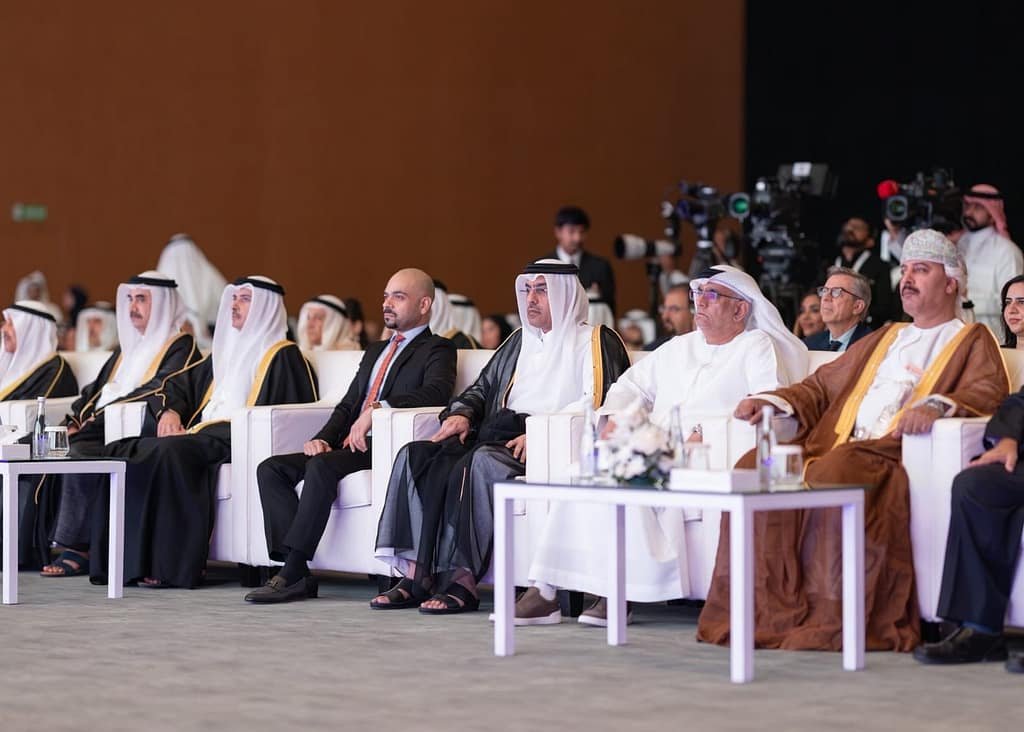
The Ministry’s statement references a previous engagement involving the National Committee to Combat Human Trafficking at the Bahrain Forum, held on October 13, 2026. This participation, as outlined in a separate statement, demonstrates Oman’s continued involvement in multilateral efforts targeting transnational crime. Furthermore, the Ministry’s September 15, 2026, statement regarding a “growing partnership strengthening cooperation and investment” between Oman and Angola highlights a sustained diplomatic effort across multiple nations. The statement from September 15, 2026, also confirms the appointment of Sayyid Yaarub Albusaidi as non-resident Ambassador to Tajikistan, indicating a broadened diplomatic portfolio for the Ministry. These prior engagements, while not directly related to the telephone call with Lavrov, establish a pattern of active diplomatic engagement on multiple fronts.
Analysis
The nature of the conversation between Albusaidi and Lavrov, described only as a “discussion,” offers limited insight into Oman’s strategic objectives. The phrase “cooperation” is deliberately broad, lacking specific deliverables or areas of focus. This suggests a cautious approach, prioritizing communication channels in a complex geopolitical environment. The reference to “current regional and international developments” implies a desire to monitor and potentially influence events, but the statement does not articulate any particular priorities. The continued engagement with Russia, despite existing tensions and international sanctions, suggests a calculated strategy, potentially aimed at maintaining a degree of influence or securing access to resources. The statement does not address the potential motivations behind Russia’s engagement, nor does it reflect any specific policy goals for Oman.
Implications
The telephone call, if sustained, has implications for regional stability. The continued communication between Oman and Russia, a nation involved in ongoing conflicts, introduces a layer of complexity to the dynamics of the Middle East. The engagement does not, however, signal a shift in Oman’s broader alignment with international efforts to address regional instability. The communication, framed as “cooperation,” does not necessarily indicate a change in Oman’s stance on international sanctions or its relationships with other key regional and international actors. The statement does not address any potential ramifications related to trade or security.
Outlook
Should the visit yield further opportunities for dialogue, Oman’s approach will likely remain cautiously pragmatic. If the conversation with Lavrov confirms existing concerns regarding regional security, Oman will likely continue to advocate for diplomatic solutions. Should the visit prove unproductive in terms of substantive engagement, the Ministry will likely maintain the channel for monitoring developments and exchanging information. The communication serves primarily as a mechanism for assessing the evolving geopolitical landscape, rather than driving specific policy outcomes.