
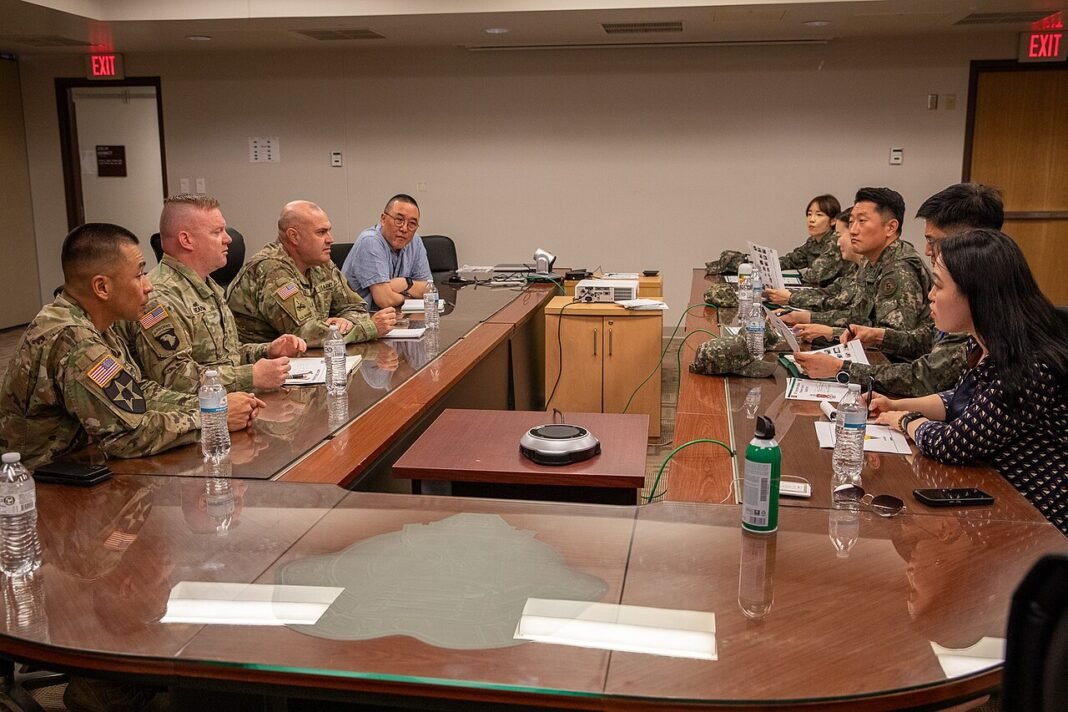

In a published statement ahead of the visit, Foreign Minister Cho Hyun strengthened multilateral cooperation with EU and MIKTA member states during his participation in key meetings at the 81st Session of the United Nations General Assembly. The statement does not mention the date of this engagement.
Background
The event unfolded within the framework of ongoing efforts to bolster international cooperation. The “EU-Indo-Pacific Foreign Ministers’ Meeting” focused on “Effective Multilateralism and Stronger Security Cooperation,” a theme reflecting growing concerns about the global security environment. The statement does not mention the specific number of participants. Key figures included Penny Wong, Subrahmanyam Jaishankar, Kazuya Endo, Kaja Kallas, and representatives from EU member states. Minister Cho highlighted the Security and Defense Partnership established with the EU in 2024 and subsequent Security and Defense Dialogues. The statement does not mention the number of rounds of dialogue.
Analysis
Minister Cho’s actions represent a strategic pivot towards reinforcing multilateral engagement. The emphasis on addressing “growing uncertainty in the global security environment” and “strengthening security cooperation between the EU and the Indo-Pacific region” suggests a response to perceived vulnerabilities. The adoption of the “MIKTA Vision Statement” and “Joint Statement on the Protection of Humanitarian Personnel” demonstrates a prioritization of cooperation through a diverse group of middle powers – Mexico, Indonesia, Türkiye, and Australia – focused on areas such as UN reform, trade, and humanitarian action. The statement does not address the motivations behind this approach. The concerns regarding “deepening military cooperation between North Korea and Russia” suggest a specific area of heightened vigilance. If implemented as described, this represents a deliberate effort to counter potential threats and solidify alliances.
Implications
The increased cooperation signals potential ramifications for regional stability. Should the visit yield support for the EU’s efforts to counter North Korean-Russian collaboration, it could further isolate Pyongyang. The commitment to UN reform, particularly the Security Council, indicates a desire to reshape international institutions to better address contemporary challenges. The statement does not address the potential impact on trade relations. The focus on MIKTA’s strengths as a consultative body of middle powers – bridging diverse regions – could also lead to expanded engagement in global economic initiatives.
Outlook
If the discussions regarding UN reform prove fruitful, it could significantly alter the dynamics of international security governance. Should the EU and MIKTA member states agree on concrete cooperative measures to address global issues, fully leveraging MIKTA’s strengths, it would represent a tangible step towards delivering outcomes in areas of common interest, such as AI and trade. The statement does not mention the timeline for expected outcomes. The Korean government will continue to expand the scope of its cooperation with diverse countries and pursue multilateral diplomacy to address common challenges facing the international community.
Conclusion
The meetings in New York underscore a continued emphasis on multilateralism; however, the statement does not offer a definitive assessment of the long-term impact of these diplomatic efforts on the evolving security landscape of Northeast Asia.

,_Republic_of_Korea_Army_(ROKA),_visited_Camp_Carroll_on_Apr_28_for_an_office_call_with_U_S_Army_Materiel_Support_Command_%E2%80%93_Korea_counterparts_(9019695).jpg)