
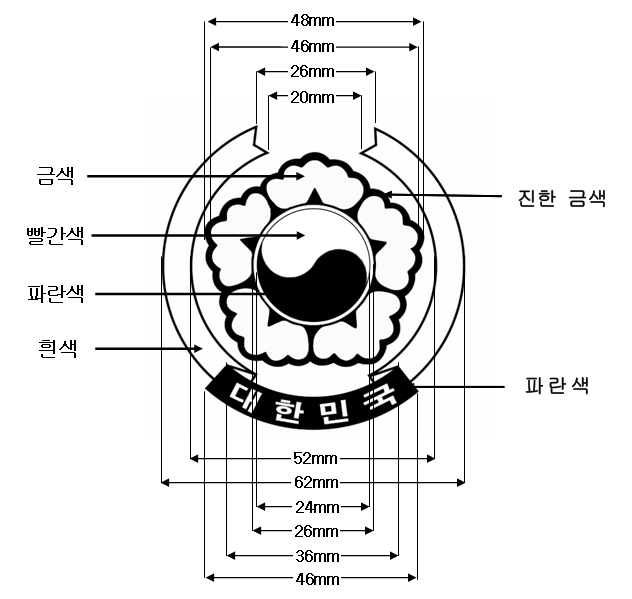

As set out in a formal announcement,
Background
The 19th Seoul ODA International Conference, co-hosted by the Ministry of Foreign Affairs (MOFA) and the Korea International Cooperation Agency (KOICA), took place on September 18th. This annual event serves as Korea’s largest platform for discussing Official Development Assistance (ODA) strategies. The conference’s theme, “Artificial Intelligence (AI) for Inclusive and Sustainable Development Cooperation,” reflects a declared priority for the ministry, established in July of this year. This focus aligns with the broader “Grant-based AI ODA Strategy” and the “Emerging as a G7+ Diplomatic Power through Contributions and Active Engagement in the International Community” No. 120. Prior to this conference, Ambassador for Polar Affairs Lee Taewoo attended the 12th North Pacific Arctic Research Community (NPARC) Meeting on September 4th, exploring potential cooperation among Arctic research institutions, and attended the Warsaw Format Meeting of Arctic Council Observers on September 9th, discussing Korea’s role as an observer.
Analysis
The core of MOFA and KOICA’s strategy centers on deploying AI to address development challenges, particularly in countries with uneven digital infrastructure. The statement does not address the risk of widening inequalities if AI implementation is not carefully tailored to specific contexts. The emphasis on co-creation, as advocated by Dr. Landry Signé, acknowledges the need for partner countries to actively shape the technology, rather than simply adopting it. This approach attempts to mitigate the potential for technology gaps to exacerbate existing disparities. The inclusion of Central Asian countries as a specific focus indicates a recognition of varying levels of digital development and resource availability across the region. The Korean government’s strategy acknowledges the need to expand not only internet connectivity, but also cloud computing, data and digital public infrastructure, alongside talent development.
Implications
The conference’s outcomes, if incorporated into future initiatives, could significantly impact Korea’s role in international development. Successfully deploying AI in Central Asia could enhance Korea’s diplomatic standing, particularly within the G7+ framework. The focus on specific technologies – expanded computing infrastructure, local language support – suggests a commitment to practical, rather than purely conceptual, cooperation. The event’s inclusion of a “KOICA AI Partners Fair” demonstrates a desire to attract investment and foster partnerships within the Korean AI sector. However, the statement does not address the potential for increased competition for Korean tech companies in developing markets.
Outlook
Should the visit yield substantive discussions with Central Asian governments, Korea’s AI ODA strategy could be further refined. If the conference confirms the need for tailored approaches, MOFA and KOICA plan to continue advancing inclusive and sustainable AI development cooperation together. If the fair attracts significant interest from international businesses, it could accelerate the adoption of Korean AI technologies in partner countries. The success of this strategy hinges on the ability of Korea to navigate the complexities of deploying AI in diverse contexts, addressing potential cultural and institutional barriers.
Sources & Further Reading
- Official press release
- Foreign ministry source
- Offline Promotional Event for the First Korea-Central Asia Summit 2026 (Unknown Da)
- Ambassador for Polar Affairs Lee Taewoo Attends 12th North Pacific Arctic Research Community (NPARC) Meeting (Unknown Da)
- Ambassador for Polar Affairs Lee Taewoo Attends Warsaw Format Meeting of Arctic Council Observers (Unknown Da)



.png)