
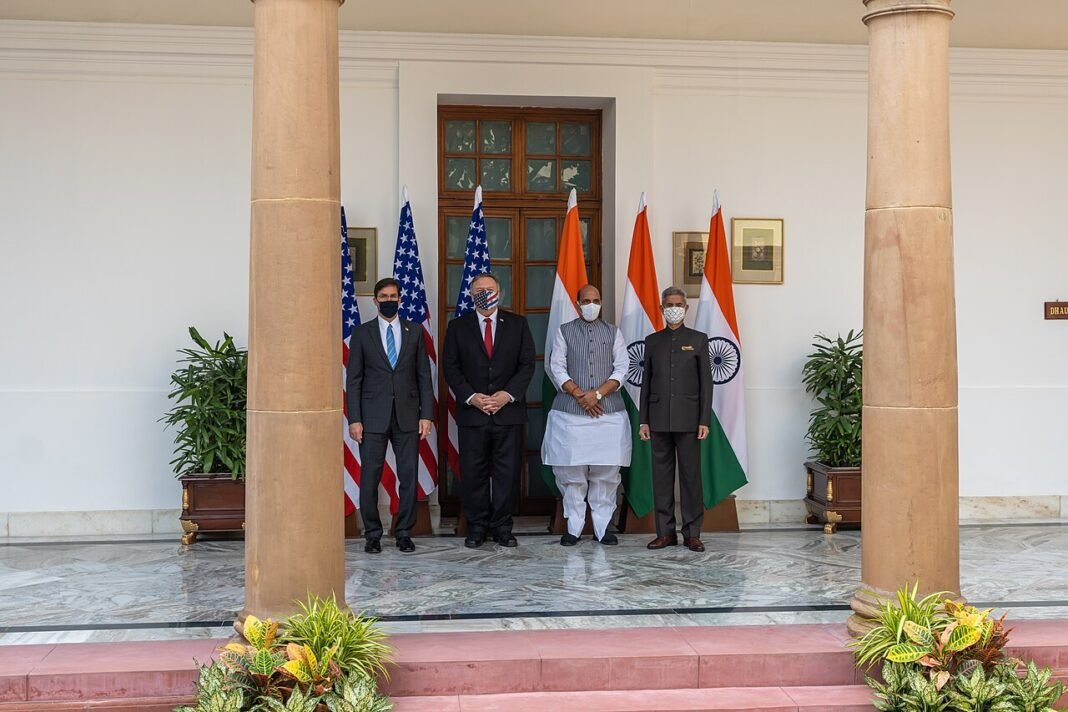
October 11, 2026, saw External Affairs Minister Dr. S. Jaishankar conclude a ten-day visit to Ghana, Côte d’Ivoire, and Ethiopia. The visit, beginning October 6th, was marked by calls on President John Dramani Mahama of Ghana and President Alassane Ouattara of Côte d’Ivoire, conveying personal greetings from President Droupadi Murmu and Prime Minister Modi. This focused engagement, following Prime Minister Modi’s visit to Ghana in July 2025, signals a priority for India to reinforce its burgeoning partnerships across the African continent. ; see the full statement.

Background
The visit occurred within the context of a sustained diplomatic effort to strengthen India’s relationships within the African Union and the broader Global South. The statement does not address the specific nature of the ‘landmark visit’ referenced by Ghana, but it indicates a pre-existing and developing engagement. The visit followed Prime Minister Abiy Ahmed Ali’s re-election in Ethiopia in June 2026, and a visit by Prime Minister Narendra Modi to Ethiopia in December 2025. The trip was framed as supporting India’s G20 Presidency and its commitment to advancing the priorities of the Global South in international forums, including the United Nations. The statement does not mention any specific agreements or treaties reached during the visit.
Analysis
The visit represents a strategic investment by India in several key African nations. The focus on Ghana, Côte d’Ivoire, and Ethiopia reflects a deliberate effort to diversify India’s partnerships beyond traditional relationships. The emphasis on trade and investment, particularly in pharmaceuticals, mining, and digital technology, aligns with India’s broader industrialization goals. The inclusion of defense and security cooperation, highlighted through meetings with Ethiopia’s Minister of Defence, suggests a growing recognition of security challenges in the region. The mention of ‘people-to-people ties’ underscores the importance of capacity-building programs like ITEC, and the continued focus on the “Ek Ped Maa Ke Naam” and “Tree for Life” initiatives. The visit underscores a commitment to supporting the African Union’s ambitions within the G20, a notable alignment of strategic interests. The statement does not address the potential political implications of supporting governments with differing governance structures.
Implications
For policymakers, the visit signals a deepening commitment to a long-term engagement with Africa. The focus on infrastructure development, particularly railways and digital technology, could unlock significant economic opportunities. The strengthening of defence ties with Ethiopia, a strategically important nation, has implications for regional security and could contribute to stability in the Horn of Africa. The renewed momentum in trade relations, exceeding US$1.5 billion between Côte d’Ivoire and India, suggests potential for further economic growth. The visit’s emphasis on the Global South framework could influence India’s voting patterns and diplomatic positions within international organizations. The statement does not address the geopolitical ramifications of India’s engagement with countries facing internal political and security challenges.
Outlook
Should the visit yield further momentum in these sectors, India’s engagement with Africa could become increasingly formalized. If the focus on artificial intelligence, particularly in Ethiopia, proves successful, it could lead to wider investment in this technology across the continent. If India continues to support the African Union’s efforts to secure permanent membership within the G20, it could significantly enhance India’s influence on global governance. Should India’s engagement with Ethiopia be successful in fostering greater economic cooperation, it could further strengthen India’s position as a key partner in Africa’s development. The statement does not address the potential challenges or risks associated with these partnerships, such as geopolitical instability or concerns about human rights.
Conclusion
The visit concluded with renewed focus on the India-Ethiopia Strategic Partnership, but the statement does not offer a clear assessment of the long-term impact of these engagements. The ongoing success of initiatives like the Jaipur Artificial Limb Fitment Camp will ultimately determine the extent to which India can effectively contribute to sustainable development and stability across the African continent.


.jpg)