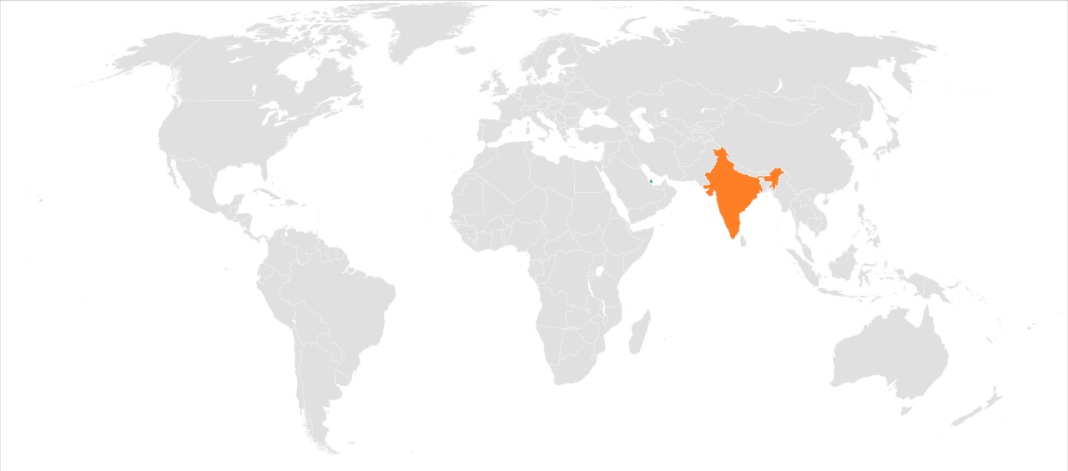

Background: Prior to this consultation, the India-Qatar strategic partnership had been steadily deepening across multiple sectors. The 15th India-Oman Strategic Consultative Group Meeting, held on 7 October 2026, demonstrated a commitment to broader regional cooperation, covering political and strategic cooperation alongside trade and investment. Furthermore, the 7th India-Bulgaria Foreign Office Consultations, held on 1 October 2026, highlighted the expansion of engagement beyond traditional diplomatic channels. The 8th India-Kuwait Foreign Office Consultations, held on 8 September 2026, similarly emphasized a range of cooperation areas including defence, security, and energy. These prior statements by the Ministry of External Affairs underscore a consistent effort to cultivate and expand this relationship, reflecting a commitment to deepen engagement across a diverse portfolio of interests.
Analysis: The statement does not address the underlying drivers of this deepening partnership. It emphasizes “multifaceted strategic partnership” and “large Indian community in Qatar,” suggesting a mutually beneficial relationship built on trade, investment, and people-to-people ties. The reiterated commitment to “mutual interest” in “developments in West Asia” hints at a shared concern for regional stability, although the statement does not specify the nature of these concerns. The agreement to hold the next round of consultations in Doha indicates a willingness to maintain a consistent dialogue, a pattern observed in previous engagements. The continued focus on “people-to-people ties” suggests a recognition of the importance of cultural and educational exchanges in reinforcing the relationship. There is no indication of any specific disagreements or challenges discussed during the consultations.
Implications: The continued deepening of the India-Qatar relationship holds implications for regional stability, particularly within West Asia. The shared commitment to “mutual interest” suggests a potential alignment of interests in addressing regional challenges, although the statement does not detail the scope of this alignment. The continued trade and investment ties will likely benefit both economies, providing opportunities for further economic cooperation. The large Indian community in Qatar serves as a crucial bridge, facilitating ongoing dialogue and understanding between the two nations. Should the visit yield further agreements on energy cooperation, as suggested by previous consultations, it could bolster Qatar’s efforts to diversify its economy.
Outlook: If the next round of consultations in Doha proceeds as agreed, it would represent a continuation of the established pattern of engagement. Should the visit yield further agreements on consular affairs, this would further strengthen the mechanisms for protecting the interests of the Indian community in Qatar. The statement does not address the timing of the next round of consultations, leaving the precise date open to negotiation. The continued commitment to holding consultations in both locations – New Delhi and Doha – suggests a balanced approach to fostering the relationship.
Conclusion: The 6th India-Qatar Foreign Office Consultations represent a reaffirmation of a strategic partnership, but the statement offers no insight into the specific priorities guiding this ongoing engagement. The next round of discussions in Doha will be crucial in determining the future trajectory of this relationship.