
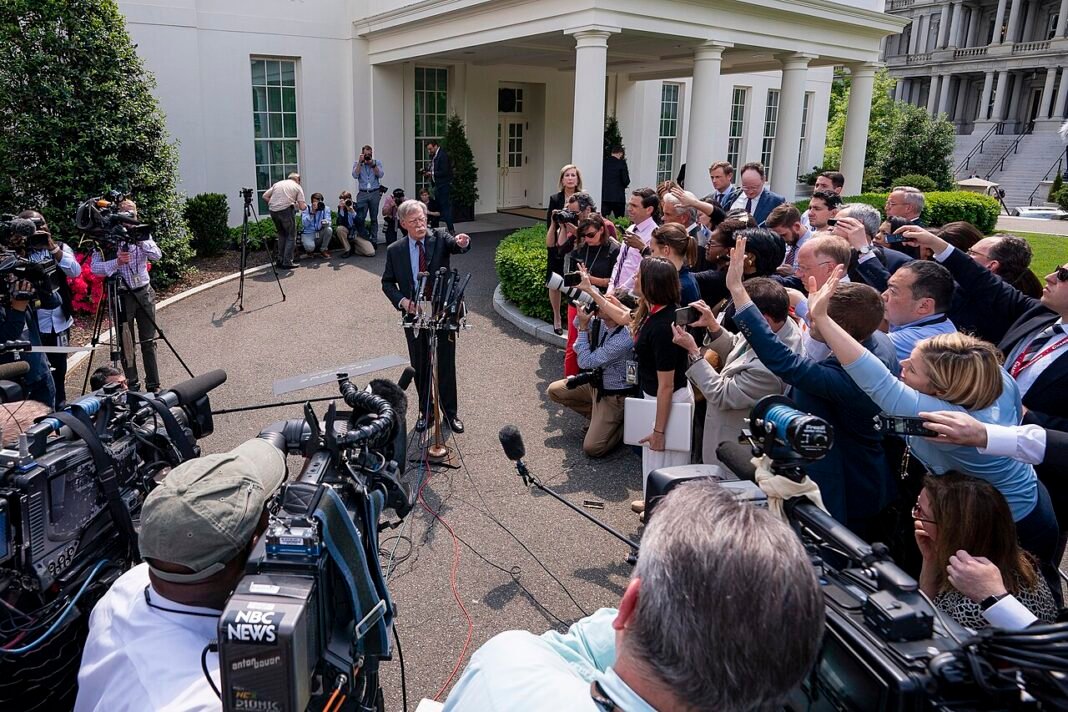

Per the government announcement,
Background
The statement does not mention prior diplomatic engagements. However, the reconciliation talks between the interim Venezuelan government and the 2015 National Assembly representatives represent a continuation of efforts to establish conditions for credible elections. The 2015 National Assembly, recognized by all Venezuelan political parties and the international community, remains the last democratically elected legislative body. The talks are centered around a process led by its current President, Jorge Rodríguez, and Dinorah Figuera. The statement identifies a planned session commencing October 14th as the third round of these discussions.
Analysis
The core of the statement’s value lies in the tangible results achieved – a reformed Supreme Court and the release of political prisoners. The rebuilding of the Supreme Court, outlined in the release, is crucial for ensuring the integrity of future elections. The establishment of a Credentials Council, with the 2015 National Assembly holding a majority, is a deliberate attempt to bolster confidence in the selection process and reduce the risk of manipulation. The release of over 1,000 political prisoners, including prominent figures like Juan Pablo Guanipa and Freddy Superlano, represents a significant step toward restoring fundamental political freedoms. The decision to release individuals like Claudia Macero and Omar González Moreno, who had previously fled threats of detention, further underscores the interim government’s commitment to reversing the repressive policies of the Maduro regime. The statement does not address the underlying political dynamic – the continued division within Venezuelan society and the deep distrust between the interim government and the opposition. The success of these talks depends on the willingness of all parties to compromise and adhere to the agreed-upon reforms. The statement does not address the potential for continued obstruction or challenges to the process.
Implications
The immediate implications are focused on bolstering the legitimacy of the interim government and creating an environment conducive to free and fair elections. The reforms to the Supreme Court, if implemented as described, could provide a framework for adjudicating disputes over election results, a critical element in establishing trust in the electoral process. The continued release of political prisoners, as evidenced by the additional 177 names released since January 3rd, signals a shift away from the authoritarian tactics employed by the Maduro regime. This also has implications for regional stability, potentially reducing the risk of further unrest and violence. The United States’ support, framed within the Trump Administration’s legacy, carries a strategic dimension, seeking to shape a more stable and democratic Venezuela. The statement does not address the broader implications for trade relations with Venezuela, or the impact on regional security alliances.
Outlook
Should the visit yield continued progress on the outlined reforms, the interim government’s standing within Venezuela and internationally will likely strengthen. If the third round of talks successfully finalizes the Supreme Court selection process and establishes robust guarantees for political participation, the path toward credible elections will become more secure. However, should the Maduro regime continue to obstruct the process, or if disagreements arise over the composition of the Judicial Nominations Committee, the momentum could stall. If the interim government fails to fully implement the reforms, including the decriminalization of repressive laws, the conditions for a democratic transition will remain fragile.

.jpg)