
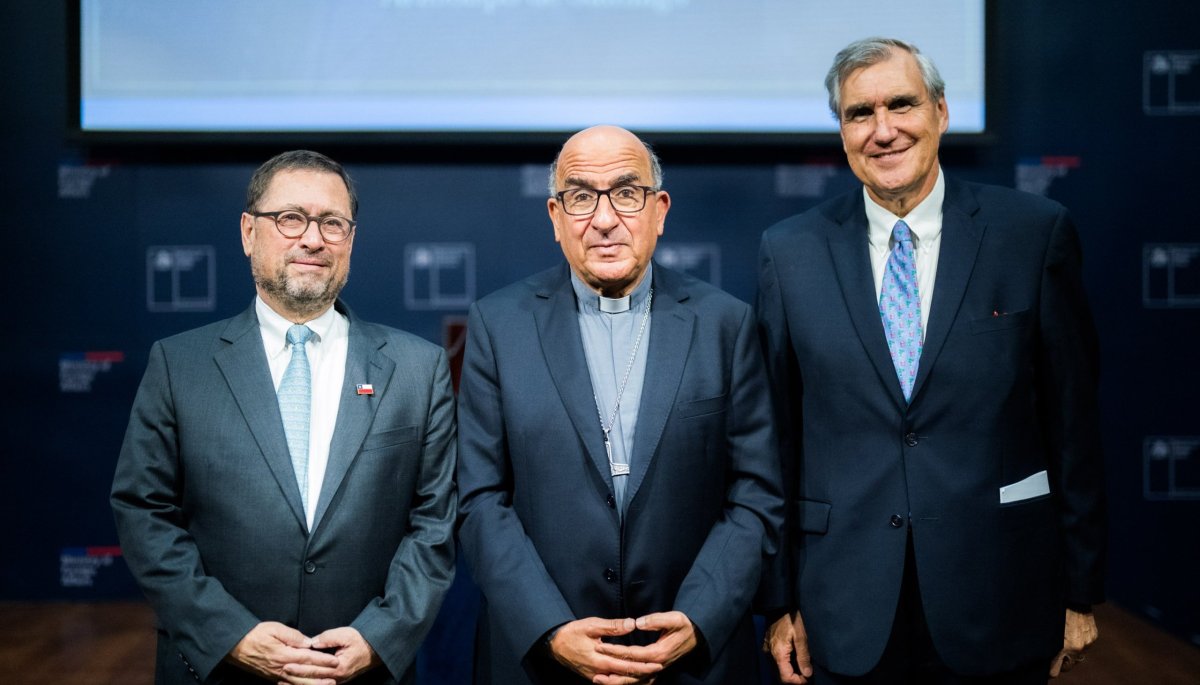
In a published statement ahead of the visit, The Minister of Foreign Relatios, Francisco Pérez Mackenna, delivered opening remarks at a conference on the Encyclical “Magnifica Humanitas” by Pope Leo XIV, hosted by the Andrés Bello Diplomatic Academy of Chile on October 2, 2026. Approximately one hundred attendees were present, including the Archbishop of Santiago, Fernando Chomali, and various officials from the Ministry of Foreign Relations. Chomali’s focus was on the ethical dilemmas posed by artificial intelligence, emphasizing the irreplaceable role of human judgment in decision-making, asserting that technology must remain in service of people. This suggests a deliberate framing of the technological landscape as requiring careful management.
Background
The event transpired within the framework of the Academy’s High-Level Conference Cycle. The Andrés Bello Diplomatic Academy, established in 1914, is responsible for training Chilean diplomats. The conference’s purpose was to examine the ethical implications of artificial intelligence, a topic deemed “disruptive” by the Ministry. The statement does not address the specific details of the Encyclical “Magnifica Humanitas.” The Ministry’s involvement reflects a broader trend in Latin American governments grappling with the implications of rapid technological advancements. The presence of José Antonio Kast’s message, relayed through the Minister, highlights a commitment to aligning Chilean policy with the President’s recent statements at the General Assembly of the United Nations.
Analysis
The core of the discussion centered on the ethical dimensions of artificial intelligence, a theme prominently highlighted by Archbishop Chomali. The statement does not address the potential economic impacts of AI, but the emphasis on “responsible rhythm” indicates a cautious approach to technological adoption. The Ministry’s framing of AI as a “geopolitical” issue suggests a recognition of its potential influence on international power dynamics. This suggests a prioritization of strategic stability over purely economic considerations. The stated strategy – based on “freedom of innovation,” “legal certainty,” and “ethical principles” – indicates a desire for a balanced approach. The three key axes – modernization of the National AI Strategy, legal certainty, and data infrastructure – represent a structured plan for navigating this complex terrain. This suggests a deliberate effort to position Chile as a leader in responsible AI development.
Implications
The Ministry’s actions have implications for regional stability, particularly as AI technologies rapidly proliferate across the globe. Should the visit yield further discussions on international norms surrounding AI development, it could influence broader debates within international organizations, such as the United Nations. The focus on “legal certainty” signals an intention to attract foreign investment while mitigating potential risks. The announcement of a strategy centered on “hub digital e innovation regional” could spur increased investment in Chile’s technology sector. Furthermore, the emphasis on data infrastructure and public efficiency suggests a commitment to improving the country’s competitiveness.
Outlook
If the Ministry’s strategy is successfully implemented, Chile could position itself as a regional leader in responsible AI innovation. Should the government prioritize legal frameworks and ethical guidelines, it could attract investment and foster a vibrant technology sector. However, the statement does not address the potential for technological disruption to traditional industries, or the challenges associated with ensuring equitable access to AI benefits. The emphasis on a “responsible rhythm” suggests a cautious approach, but the speed of technological change remains a significant uncertainty.