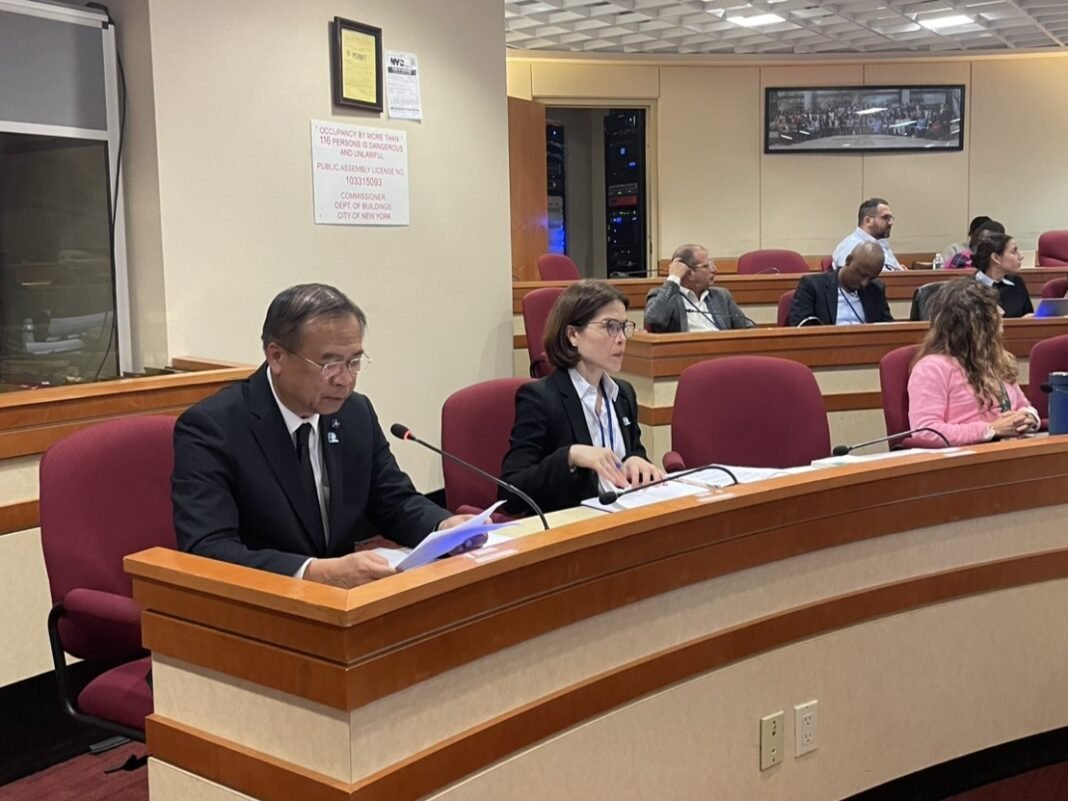
A ministry communiqué confirms that On 30 September 2026, India hosted the 9th Deputy National Security Adviser-level meeting of the Colombo Security Conclave (CSC), bringing together Bangladesh, Maldives, Mauritius, Sri Lanka, and Seychelles. This event, focused on bolstering security in the Indian Ocean Region, underscores a sustained partnership among these nations. The meeting’s primary objective, as outlined in the Ministry of External Affairs statement, was to review decisions from the 7th National Security Adviser-level meeting held in New Delhi in November 2025 and to assess progress on the 2025-2026 Roadmap for Cooperation and Activities.

Background
The Colombo Security Conclave (CSC) was established to promote cooperation among nations bordering the Indian Ocean. The framework for the CSC was initially developed to address shared security challenges. The 7th National Security Adviser-level meeting, held in New Delhi in November 2025, established a foundation for this latest gathering. The Roadmap for Cooperation and Activities (2025-2026) details the planned activities across five key pillars of cooperation. These pillars include training and capacity building events.
Analysis
The meeting’s agenda reflects a strategic prioritization by India of its relationships within the Indian Ocean. The participation of Bangladesh, Maldives, Mauritius, Sri Lanka, and Seychelles highlights India’s engagement with a geographically diverse group of littoral states. The reiteration of resolve to strengthen cooperation on vital matters of security suggests a shared recognition of the complex security environment within the region. The focus on humanitarian assistance and disaster relief indicates a commitment to providing support during crises. The participation of Brigadier General Muhammad Ali Haider Siddiqui, Mr. Pavan Kapoor, Major General Hamid Shafeeg (Retd.), Mr. K. Jayeprokash, Mr. Joel Morgan, and P.D. Indika L. Wijegunawardana demonstrates a level of diplomatic engagement, particularly given the roles of the respective national security advisors and defense officials. The CSC Secretariat, led by Vice Admiral S.N. Ghormade (Retd.), further institutionalizes the collaborative framework.
Implications
The CSC meeting carries implications for regional stability, particularly concerning maritime security. Continued cooperation amongst the member states could contribute to a more coordinated response to threats such as piracy and terrorism. The emphasis on training and capacity building suggests a long-term commitment to bolstering the defensive capabilities of these nations. The focus on humanitarian assistance and disaster relief underscores a willingness to provide assistance during times of crisis. The meeting’s outcome will likely influence India’s approach to diplomatic engagement and security initiatives within the Indian Ocean, potentially shaping future collaborations with other regional partners.
Outlook
Should the visit yield further commitments to training and capacity building, as outlined in the Roadmap, it would signify a sustained investment in regional security. If the member states maintain their resolve to strengthen cooperation, the CSC could become an increasingly influential forum for addressing shared security challenges. However, should disagreements arise regarding specific security priorities or operational approaches, the effectiveness of the CSC could be undermined. The continued involvement of the CSC Secretariat, led by Vice Admiral S.N. Ghormade (Retd.), is crucial for maintaining momentum and institutionalizing the collaborative framework.
Conclusion
The 9th Deputy National Security Advisor-level meeting of the CSC demonstrates a persistent effort to foster cooperation among Indian Ocean nations. The statement does not address the underlying drivers of instability within the region or the potential for evolving security threats. The continued success of this initiative hinges on the sustained commitment of all participating states.