Background
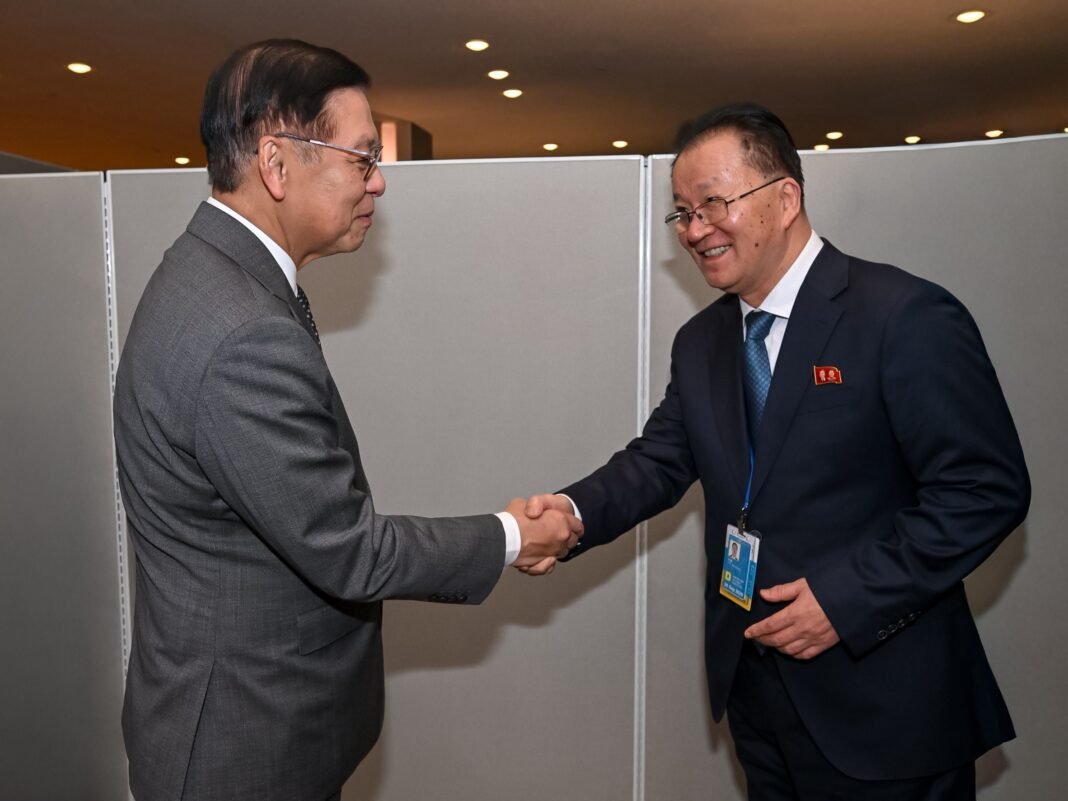
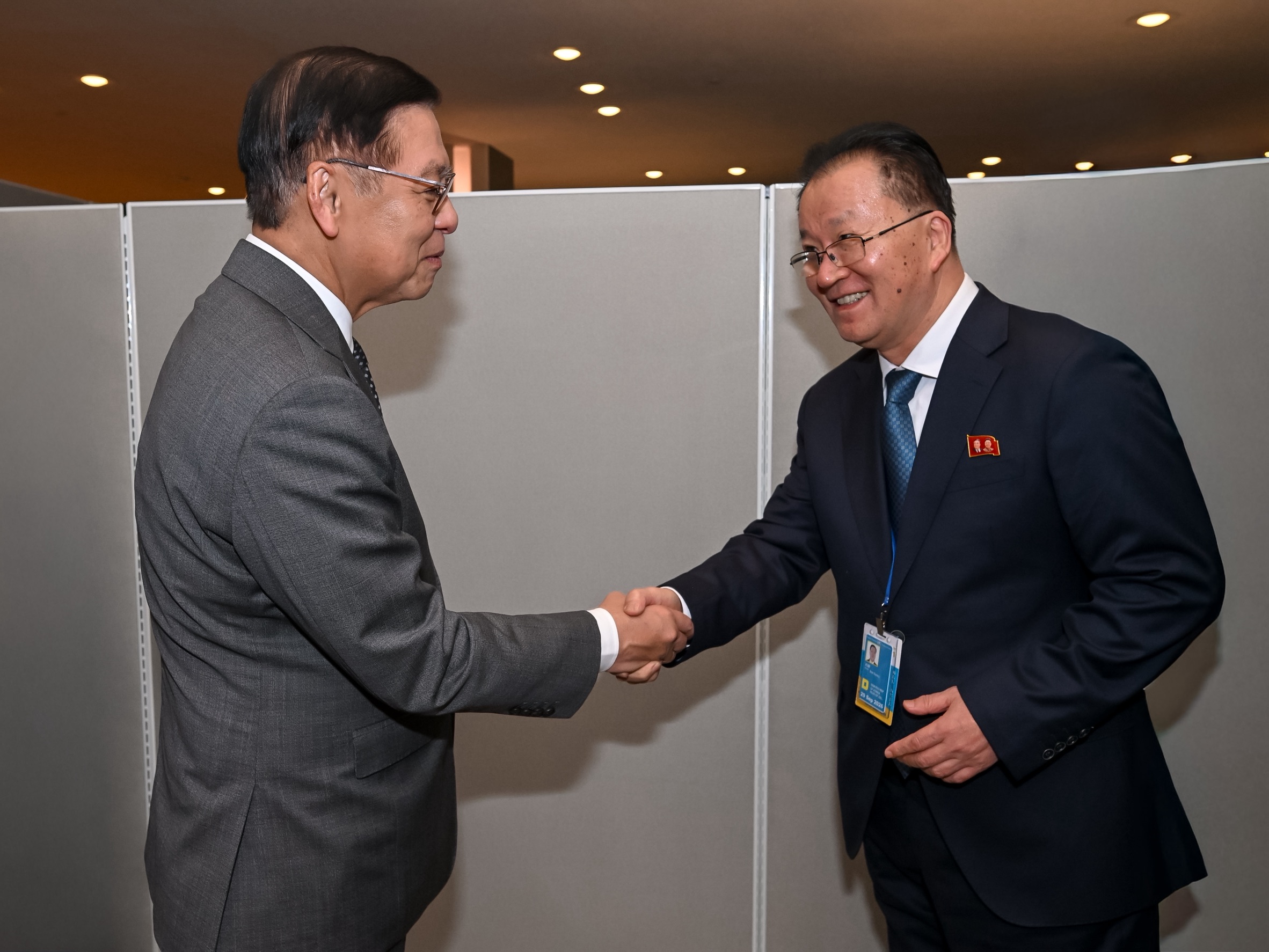
The Ministry of Foreign Affairs has consistently engaged in diplomatic initiatives with the DPRK, reflecting Thailand’s commitment to maintaining channels of communication within the framework of international norms. In March 2022, the ministry issued a statement reaffirming its support for the Six-Party Talks and emphasizing the importance of a peaceful resolution to the Korean Peninsula issue. Prior to this meeting, H.E. Mr. Phuangketkeow held similar discussions with DPRK officials at the 77th Session of the United Nations General Assembly in New York. The 20-Year “5S” Foreign Affairs Masterplan, outlined in the Ministry’s policy statement, prioritizes strategic engagement with regional partners, including the DPRK, to advance Thailand’s national interests. The statement does not address the specific diplomatic protocols observed during the meeting.
Analysis
The meeting represents a continuation of Thailand’s policy of engagement with the DPRK, a strategy that has been pursued despite international concerns regarding Pyongyang’s nuclear weapons program. The statement suggests an intent to maintain dialogue, even as the broader geopolitical environment remains complex and fraught with challenges. The meeting’s focus on “bilateral cooperation” is notable; it suggests a pragmatic approach, prioritizing practical engagement over ideological alignment. The Ministry of Foreign Affairs’ ‘5S’ Foreign Affairs Masterplan—Security, Stability, Sovereignty, and Sustainability—likely informs this strategy, aiming to leverage cooperation to contribute to regional stability. The statement does not address the potential motivations of the DPRK in pursuing this engagement.
Implications
This meeting holds implications for regional stability, particularly concerning North Korea’s nuclear ambitions and its relations with the broader international community. Should the visit yield a renewed commitment to dialogue, it could provide a platform for addressing concerns regarding non-proliferation. However, the meeting does not fundamentally alter the existing international sanctions regime targeting the DPRK. The continued engagement also suggests a willingness to navigate the complexities of ASEAN diplomacy, potentially influencing the group’s approach to North Korea. The statement does not address the potential impact on trade relations or security cooperation.
Outlook
If the visit yields a commitment to further discussions on specific issues, Thailand will likely continue to advocate for a peaceful resolution to the Korean Peninsula crisis through diplomatic channels. Should the meeting result in no discernible shift in DPRK behavior, Thailand will likely maintain its existing engagement strategy, prioritizing dialogue and cooperation while upholding international norms and sanctions. The Ministry of Foreign Affairs’ “5S” Masterplan suggests a long-term commitment to regional stability, regardless of short-term diplomatic setbacks. The statement does not offer a prognosis for future engagement.
Conclusion
The meeting between Thailand and the DPRK highlights the persistent, albeit cautious, effort to maintain diplomatic connections in a region defined by geopolitical tensions. The continued dialogue underscores the importance of Thailand’s strategic positioning within the international landscape, but the fundamental challenges surrounding the DPRK’s nuclear program remain unresolved.
Sources & Further Reading
- Official press release
- Foreign ministry source
- Deputy Prime Minister and Minister of Foreign Affairs meets with Minister of Foreign Affairs of the Republic of Latvia on the sidelines of the High-level Week of the 81st Session of the United Nations General Assembly (24 Sep 202)
- Deputy Prime Minister and Minister of Foreign Affairs meets with Minister of Foreign Affairs of the Republic of Uganda on the sidelines of the High-level Week of the 81st Session of the United Nations General Assembly (25 Sep 202)
- Deputy Prime Minister and Minister of Foreign Affairs meets with Minister of Foreign Affairs of Andorra on the sidelines of the High-level Week of the 81st Session of the United Nations General Assembly (24 Sep 202)