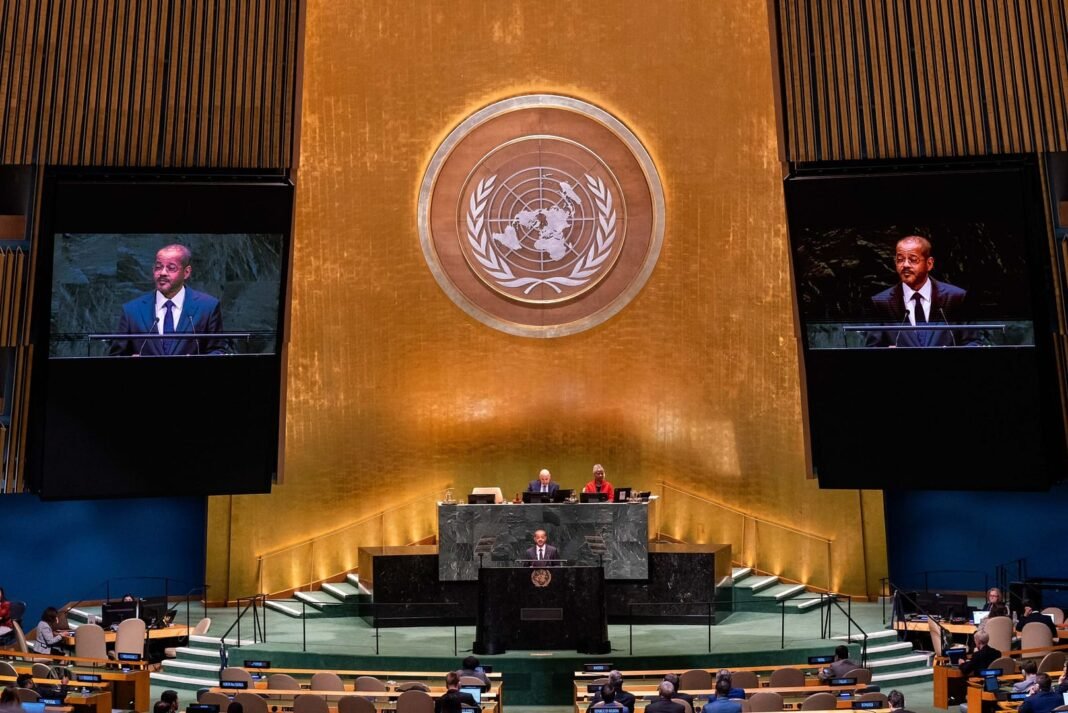
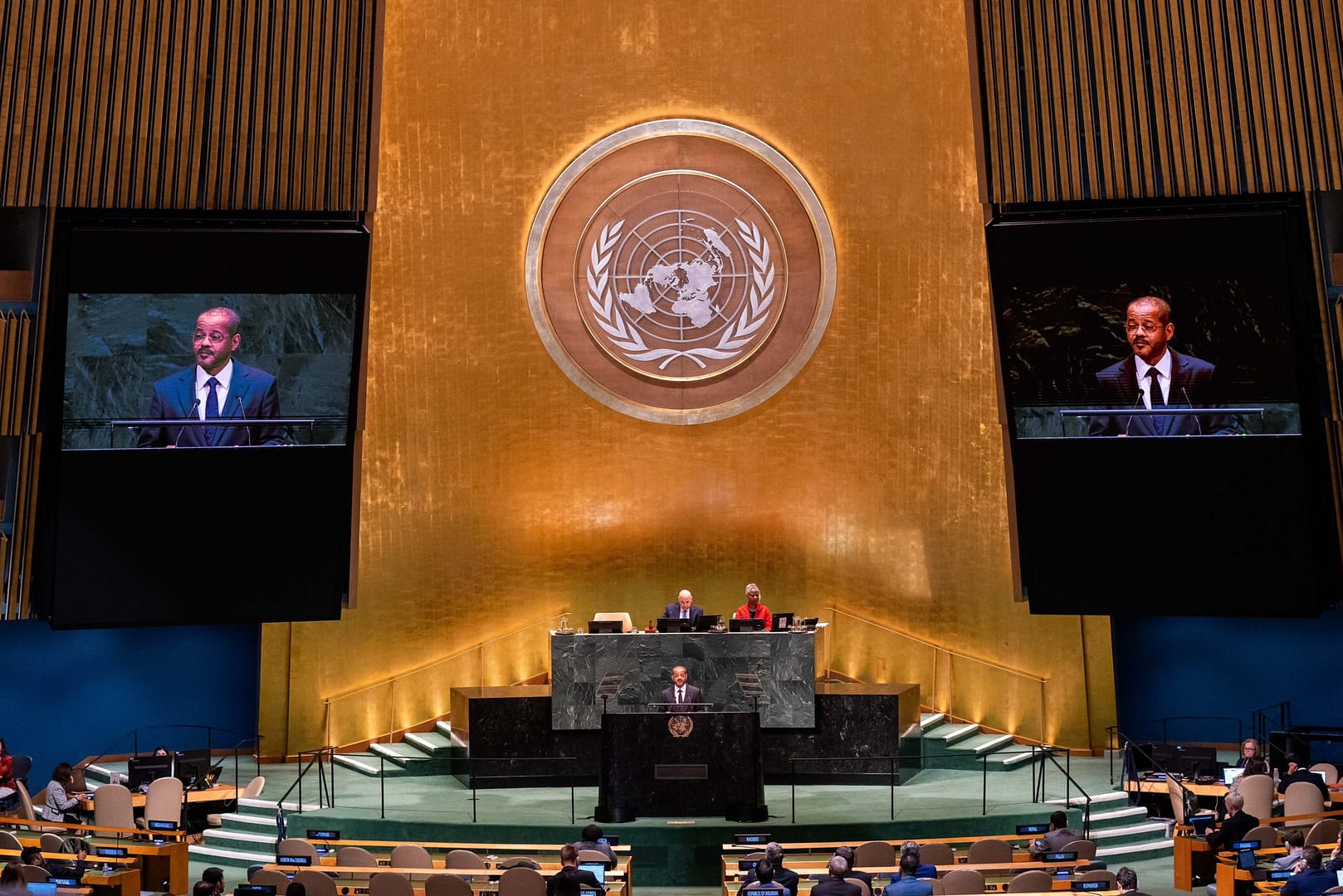
As set out in a formal announcement, Sayyid Badr Albusaidi, Foreign Minister, reaffirmed the Sultanate of Oman’s steadfast approach to supporting dialogue and peace, respecting the sovereignty of states and international law, and promoting security, stability, and sustainable development. This reiteration, delivered at the 81st UN General Assembly on 27 September 2026, underscores a long-held diplomatic posture within a region increasingly defined by competing narratives and geopolitical pressures. The statement’s core focus – support for dialogue, respect for sovereignty, and promotion of stability – represents a consistent theme in recent statements by the Ministry of Foreign Affairs, offering a measured response to escalating regional challenges. The statement does not address the underlying drivers of conflict or explicitly name the parties involved in those disputes.
Background
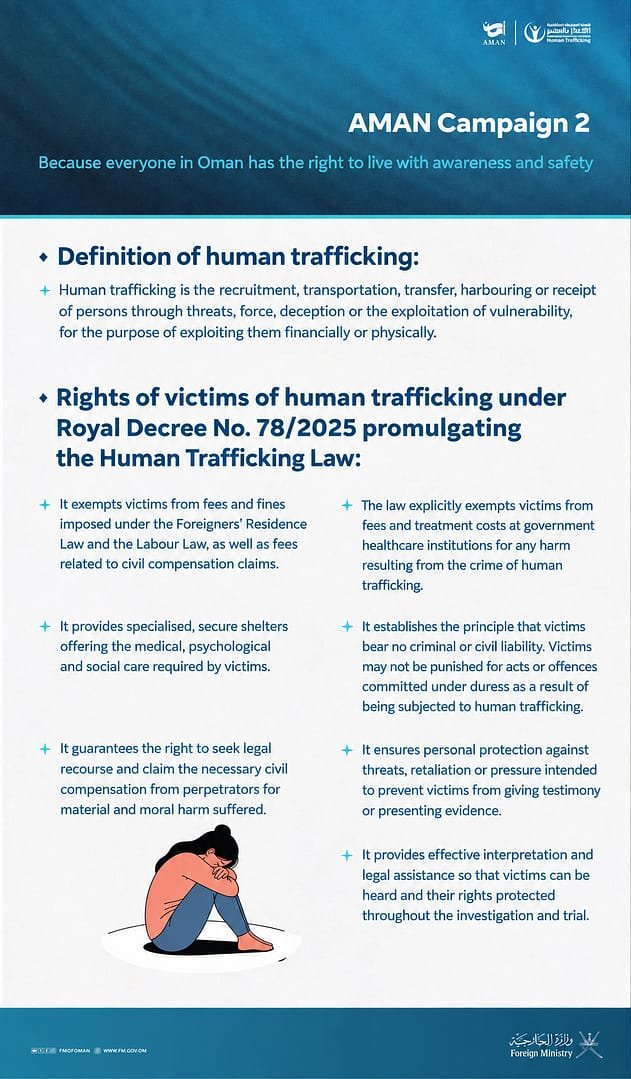
The statement comes against a backdrop of ongoing consultations between Oman and Tanzania, announced on 28 September 2026, as well as a renewed awareness campaign regarding human trafficking launched on the same date. Furthermore, the speech occurred following a meeting between Minister Albusaidi and the Canadian Foreign Minister on 26 September 2026. Prior to this, on 18 September 2026, a joint statement was issued following talks between His Majesty and the Angolan President. On 17 September 2026, a joint statement was issued following talks between His Majesty and the President of Botswana. The statement also follows the appointment of Sayyid Yaarub Albusaidi as non-resident Ambassador to the Islamic Republic of Iran, as announced in Royal Decree No 84/2026 on 15 September 2026. Infographic: Oman’s priorities at the UN General Assembly 24 September 2026 The Sultanate of Oman at the United Nations: active engagement and a diplomatic approach founded on supporting peace and security, respecting state sovereignty and international law and strengthening multilateral cooperation.
Analysis
Oman’s diplomatic strategy, as articulated in this speech, appears rooted in a desire to avoid direct confrontation and maintain a neutral position within the Gulf. This approach, consistently pursued by the Ministry of Foreign Affairs, seeks to mitigate the risks associated with aligning overtly with specific regional actors. The emphasis on ‘respecting state sovereignty’ is particularly notable, reflecting a cautious approach to interventions in neighboring countries, a strategy demonstrated in the appointment of Ambassador Albusaidi to Iran and Tajikistan. The continued engagement with the UN, despite regional tensions, signals an understanding that multilateralism remains a crucial tool for Oman’s foreign policy. The statement does not address the economic implications of regional instability or the potential impact of shifting alliances on Oman’s trade relationships. If implemented as described, this strategy will likely continue to position Oman as a facilitator of dialogue, rather than a principal actor in regional disputes.
Implications
The reiteration of Oman’s commitment to dialogue carries significant implications for regional stability. Should Oman successfully continue to mediate between conflicting parties, it could play a crucial role in de-escalating tensions. However, the statement offers no indication of a shift in Oman’s approach to balancing its relationships with regional powers, particularly Saudi Arabia and the United Arab Emirates. The continued engagement with the UN will likely bolster Oman’s standing within international forums, providing a platform to advocate for peaceful resolutions to regional conflicts. The statement does not address the potential impact on Oman’s trade relations, particularly with countries involved in ongoing disputes.
Outlook
Should the visit to the UN yield no immediate breakthroughs in regional conflicts, Oman’s continued adherence to this diplomatic stance will likely remain unchanged. If Oman continues to prioritize dialogue and mediation, it may face criticism for perceived inaction in the face of escalating tensions. The statement does not address the possibility of Oman adopting a more assertive role in regional affairs, should the security environment deteriorate further. The strategy hinges on the willingness of regional actors to engage in good-faith negotiations – a factor that remains highly uncertain.