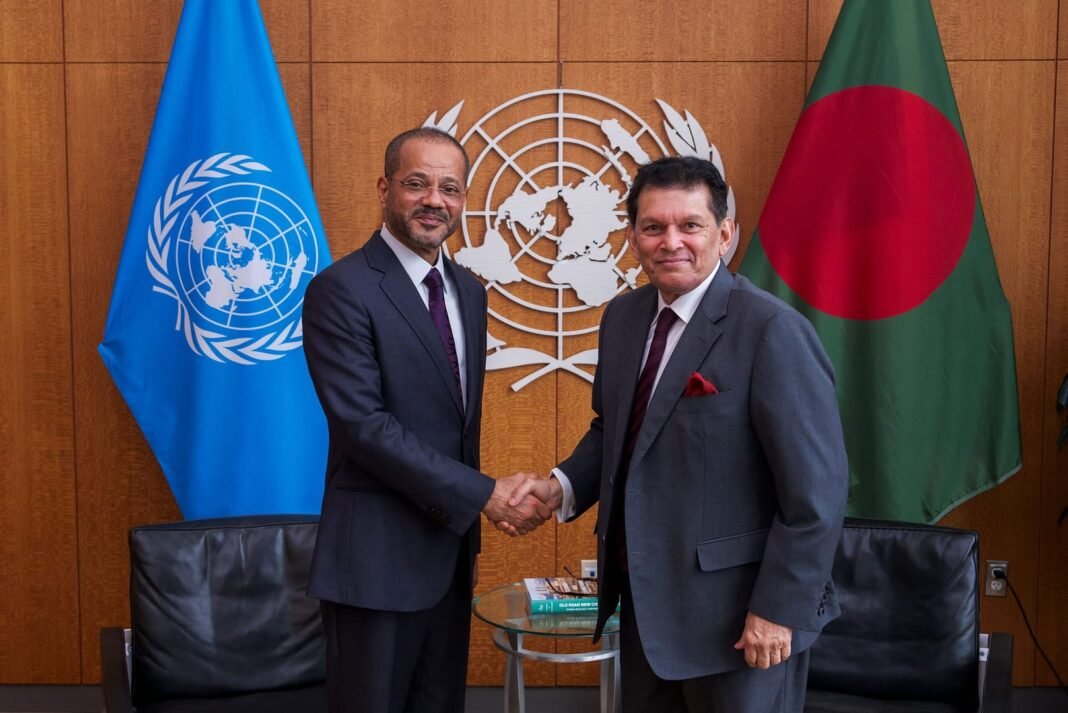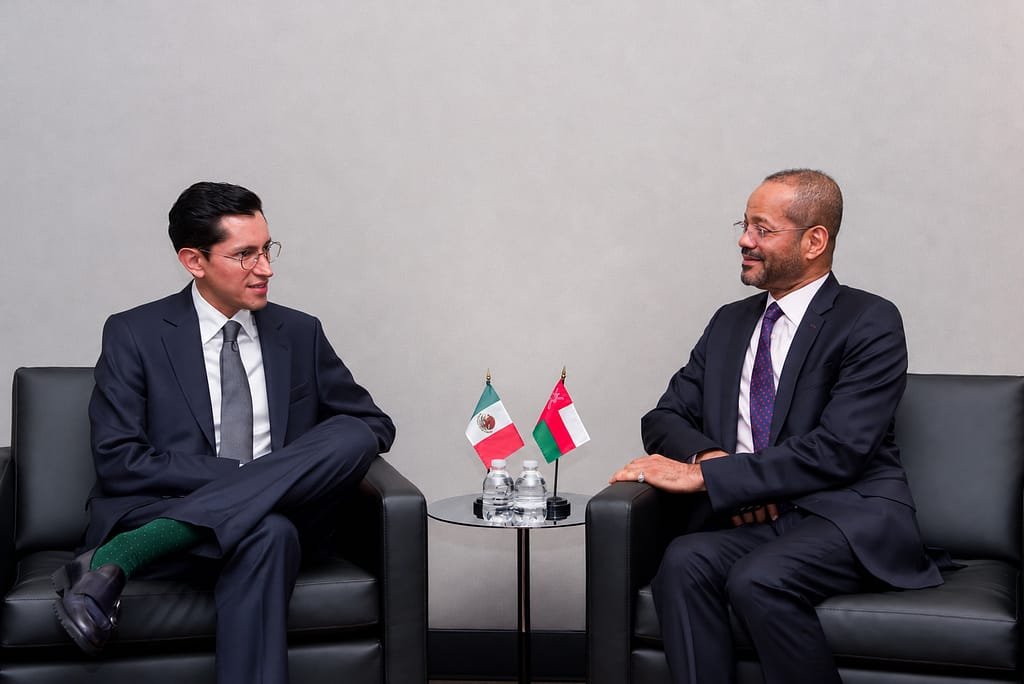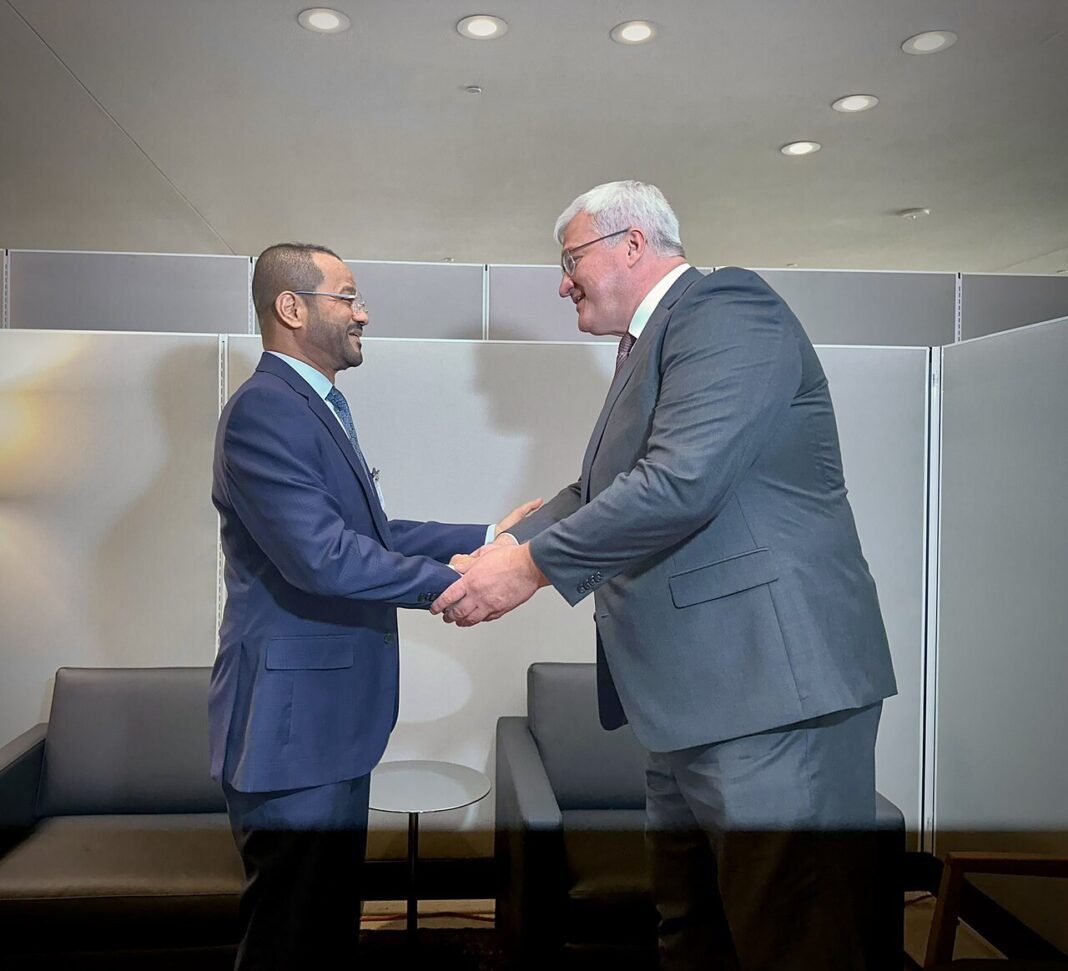
Reporting in a government statement, The Sultanate of Oman has reaffirmed its approach to finding peaceful and consensual solutions to disputes, based on values that help achieve security and stability for all and so advance development and prosperity. Delivering Oman’s statement to the 81st session of the United Nations General Assembly (UNGA) in New York, Foreign Minister Sayyid Badr Albusaidi said that dialogue is the true value capable of resolving issues and crises. This matters because the statement explicitly frames Oman’s foreign policy as prioritizing stability in a region increasingly defined by conflict – a region where the Strait of Hormuz’s navigation is critically threatened.

Background
The statement was delivered at the 81st session of the United Nations General Assembly (UNGA). Foreign Minister Sayyid Badr Albusaidi presented Oman’s perspective within the context of ongoing international discussions. Prior to this, the Minister met with the President of UN General Assembly and his UK counterpart, as documented in separate statements from the Ministry of Foreign Affairs. These meetings underscore Oman’s engagement within established diplomatic channels, reflecting a consistent commitment to multilateralism. The statement also references the ongoing 81st session of the UNGA itself, providing a framework for Oman’s contribution.
Analysis
Oman’s reiteration of a “steadfast approach” suggests a deliberate positioning within the region. The emphasis on dialogue, as “the optimal means of overcoming differences,” reflects a desire to mitigate escalating tensions, particularly those surrounding the Strait of Hormuz. The statement’s condemnation of the war in Yemen highlights a continued commitment to regional stability, despite the protracted conflict. The reference to “interference in the internal affairs of states” indicates a concern about external influence within Oman’s immediate neighborhood. The statement does not address the potential economic implications of the Strait of Hormuz crisis, nor does it outline any specific strategies to counter the threat to maritime traffic.
Implications
For policymakers, Oman’s stance signals a continued commitment to a moderate, diplomatic approach to regional challenges. Should the visit yield further engagement with international partners, it could strengthen Oman’s role as a mediator. Regionally, the statement reinforces Oman’s position as a key player in the Gulf Cooperation Council, particularly regarding security concerns. Trade and security implications are linked to the Strait of Hormuz; the statement’s call for cooperation reflects an acknowledgement of this vulnerability.
Outlook
If the situation in the Strait of Hormuz continues to deteriorate, Oman’s efforts to safeguard navigation will likely intensify. Should this continue, Oman will likely advocate for increased international monitoring and enforcement of maritime law. The statement does not offer a timeline for resolving the crisis in Yemen, suggesting a long-term commitment to supporting a political solution.