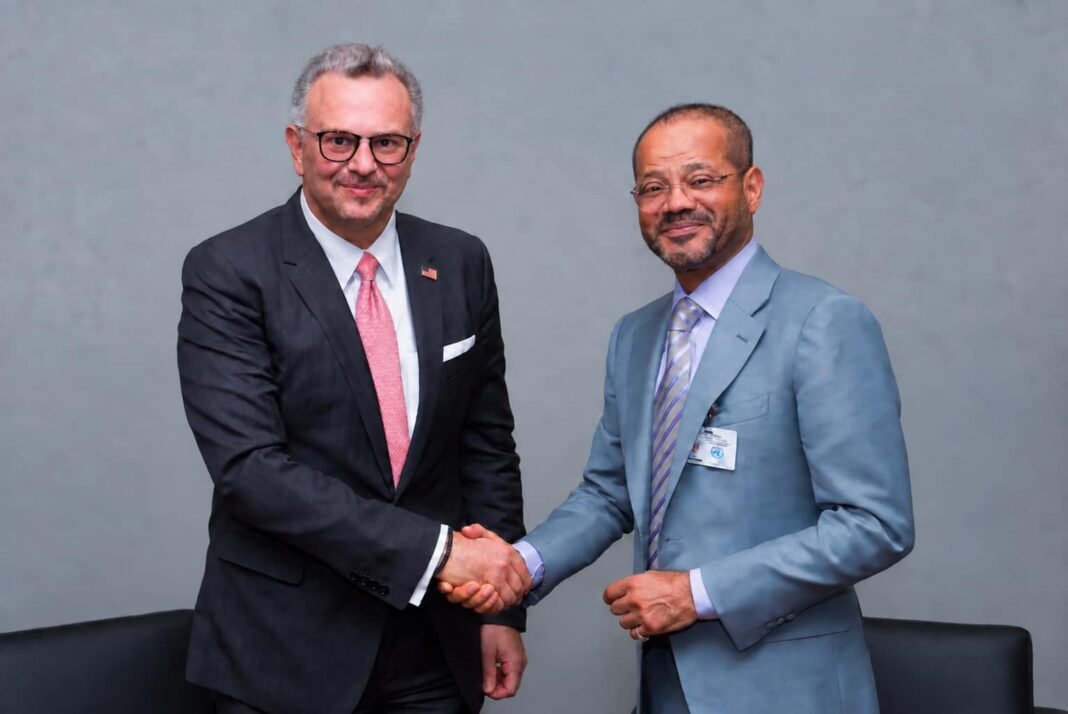
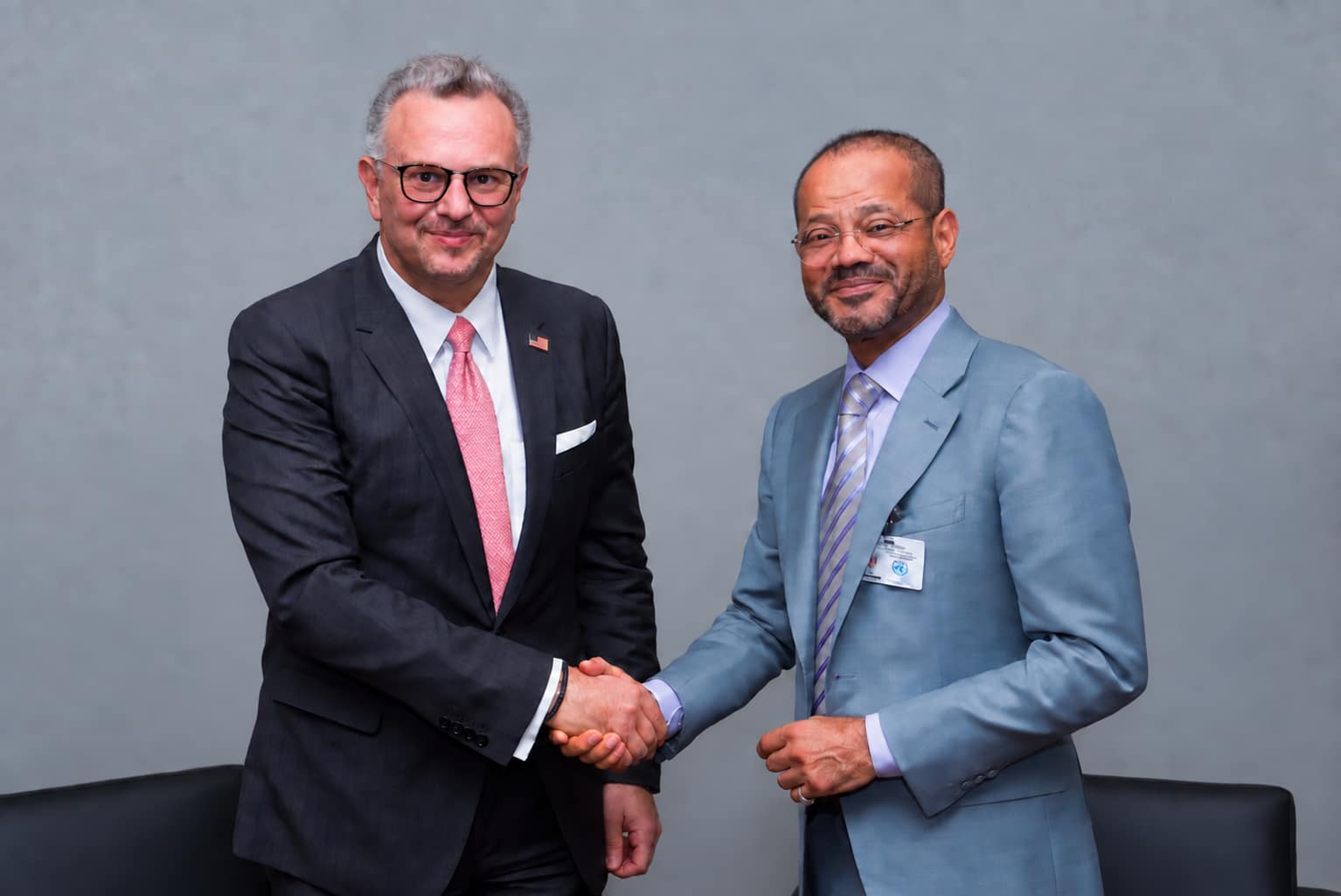
Oman’s Foreign Minister Sayyid Badr Albusaidi met with Massad Boulos, Senior Adviser to the U.S. President for Arab & African Affairs, on 26 September 2026. The statement does not mention the specific location of the meeting, but the purpose was to address Arab and African issues of mutual interest. This exchange underscores the U.S. acknowledgement of Oman’s role in regional diplomacy, a position the statement explicitly frames as vital for safeguarding state sovereignty and fostering opportunities for consensus and peace. — the full statement has further detail.
Background
This meeting follows a pattern of recent diplomatic engagements by the Omani Foreign Ministry, including a phone call with the U.S. counterpart on 15 September 2026, focused on de-escalating regional tensions. Prior to this, on 9 September 2026, Minister Albusaidi engaged in a phone call with the UN Secretary-General, emphasizing intensified diplomatic efforts to contain tensions and address concerns. The Ministry’s recent activity, as reflected in these calls, consistently frames Oman’s role as crucial for regional security and stability, aligning with the stated goals of this meeting.
Analysis
The U.S. official’s praise of Oman’s “wise policy” and sustained efforts suggests a recognition of the Sultanate’s strategic importance within the broader regional context. This is particularly relevant given Oman’s longstanding role as a mediator in conflicts across the Gulf and North Africa. The shared commitment to “constructive efforts” signals a desire to deepen cooperation, though the specific deliverables remain undefined. The statement does not address Oman’s own strategic priorities, but the focus on “conditions for political settlements” indicates an interest in facilitating resolutions to ongoing conflicts, particularly those impacting regional stability.
Implications
For policymakers, the meeting represents an opportunity to bolster a key diplomatic partner within a volatile region. Oman’s position as a facilitator of dialogue could prove increasingly valuable as the U.S. seeks to navigate complex geopolitical challenges. The shared commitment to cooperation has implications for trade and security, though the nature of this partnership remains largely undefined. Should the visit yield increased engagement on regional conflicts, it could contribute to a more stable environment, particularly if Oman can continue to leverage its relationships to mediate disputes.
Outlook
If the visit yields a renewed commitment to constructive dialogue, as the statement suggests, Oman could play a more active role in facilitating negotiations. Should the U.S. official’s praise translate into tangible support for Oman’s mediation efforts, the Sultanate’s influence within the region could be further enhanced. However, the statement does not address any specific outcomes or benchmarks for success, leaving the future of this partnership contingent on sustained diplomatic engagement and a shared understanding of regional priorities.
Conclusion
The meeting between Minister Albusaidi and Boulos represents another step in a pattern of diplomatic engagement by Oman, focused on regional stability and security. The shared commitment to cooperation, however, leaves open the question of whether this engagement will translate into concrete action or remain a statement of intent, dependent on the evolving dynamics of the region.