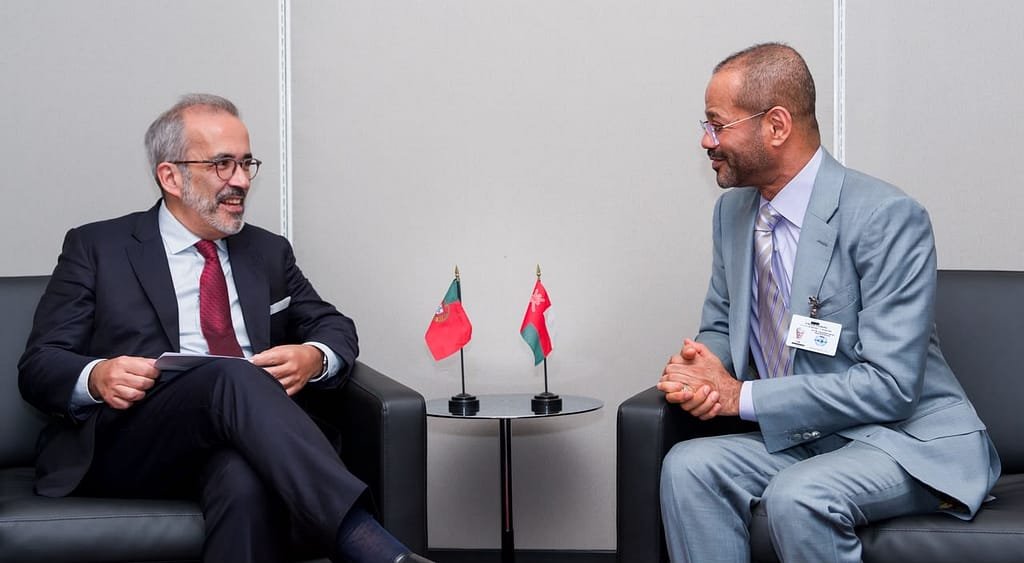
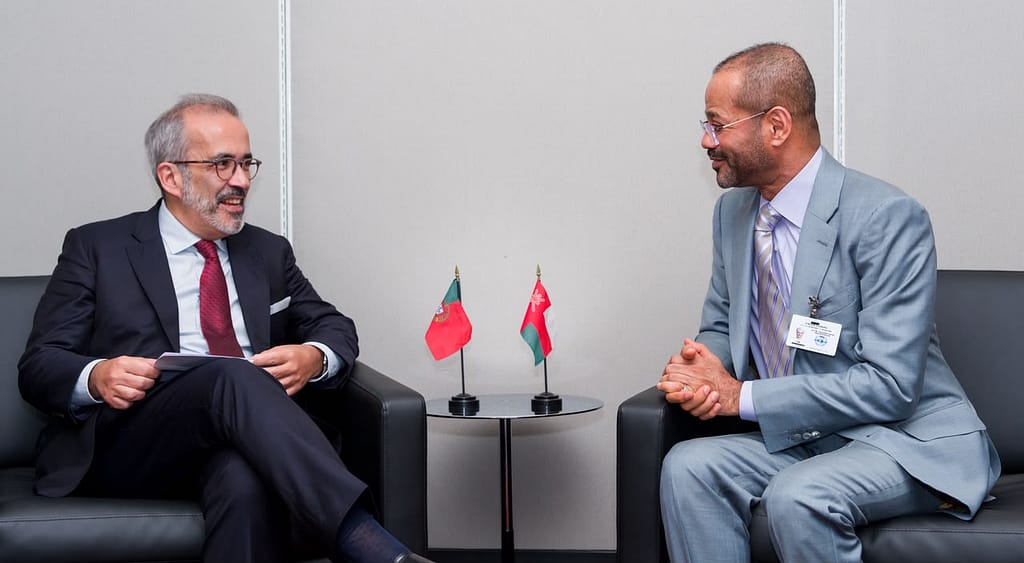
Details in a press release show that Minister Sayyid Badr Albusaidi continued his engagements at the 81st session of the United Nations General Assembly in New York on 25 September 2026. The meeting with Paulo Rangel, Minister of State and Foreign Affairs of the Portuguese Republic, occurred during this session. This activity matters because it represents an ongoing effort by Oman to actively participate in international discussions related to regional stability, a priority repeatedly stated by the Ministry.
Background
The statement does not mention prior meetings. However, the Ministry’s recent activities, as documented in prior statements, demonstrate a consistent focus on de-escalating tensions and supporting diplomatic solutions. Specifically, in March the Ministry stated that Ministers discussed efforts to de-escalate tensions, contain their repercussions and create conditions for continued diplomatic efforts to address outstanding issues in support of regional security and stability. This suggests a pattern of engagement aimed at mitigating conflict. Furthermore, the Ministry’s September 10th statement regarding a phone call with Algerian counterparts underscores the consistent emphasis on regional stability and the need for restrained diplomacy. The context of Portugal’s upcoming non-permanent membership of the UN Security Council for the 2027–2028 term is also relevant, signaling a potential avenue for increased collaboration.
Analysis
The stated goal of coordinating political and diplomatic efforts to contain escalating crises and reduce tensions is central to Oman’s foreign policy. This suggests a recognition of the vulnerabilities within the region and a willingness to actively participate in efforts to mitigate them. The agreement to increase exchanges of visits and expertise highlights a desire for deepened economic and strategic ties. The focus on maritime ports, strategic locations, and logistics capabilities indicates a prioritization of Oman’s unique geographical position and its potential as a regional hub. The emphasis on coordinated diplomatic efforts is particularly significant given the apparent lack of progress in resolving ongoing disputes. The stated aims of the Muscat Plan – strengthening social cohesion, broadening participation, and developing partnerships – illustrate a longer-term strategy for fostering stability and peacebuilding.
Implications
For policymakers, this activity signals Oman’s continued commitment to multilateral engagement and its willingness to address regional challenges through diplomatic channels. The broadened scope of discussions, encompassing maritime security, energy supplies, and supply chains, reflects the growing complexity of regional geopolitical dynamics. The increased focus on coordination with Portugal and India carries implications for regional alliances and partnerships. The potential for enhanced trade and investment interests could bolster Oman’s economic diversification efforts. The discussions regarding the Muscat Plan may influence future efforts to promote social cohesion and conflict prevention within the region.
Outlook
Should the visit yield positive outcomes regarding coordination on regional crises, Oman would likely continue to prioritize diplomatic engagement. If the coordination efforts are unsuccessful in containing escalating tensions, the Minister will likely maintain his focus on supporting direct dialogue between the parties concerned. Should Portugal’s UN Security Council membership prove fruitful, Oman would be positioned to leverage its new alliance to advance its strategic interests.