Reporting in a government statement, The Ministry of Economic Affairs (Bilateral) held a briefing on 14 September 2026 at the Ministry premises. Delivering the opening remarks, Director General, Economic Affairs (Bilateral) highlighted the importance of further strengthening Sri Lanka-Germany economic cooperation through enhanced trade, investment, technology cooperation and business partnerships. This meeting, attended by representatives from the Sri Lanka Ports Authority (SLPA), the Sri Lanka Export Development Board (EDB), and the AHK Sri Lanka business community, signifies Germany’s continued interest in Sri Lanka’s maritime sector. The statement does not mention the specific goals of the discussion, but it does outline the key areas of collaboration that were to be explored.
Background
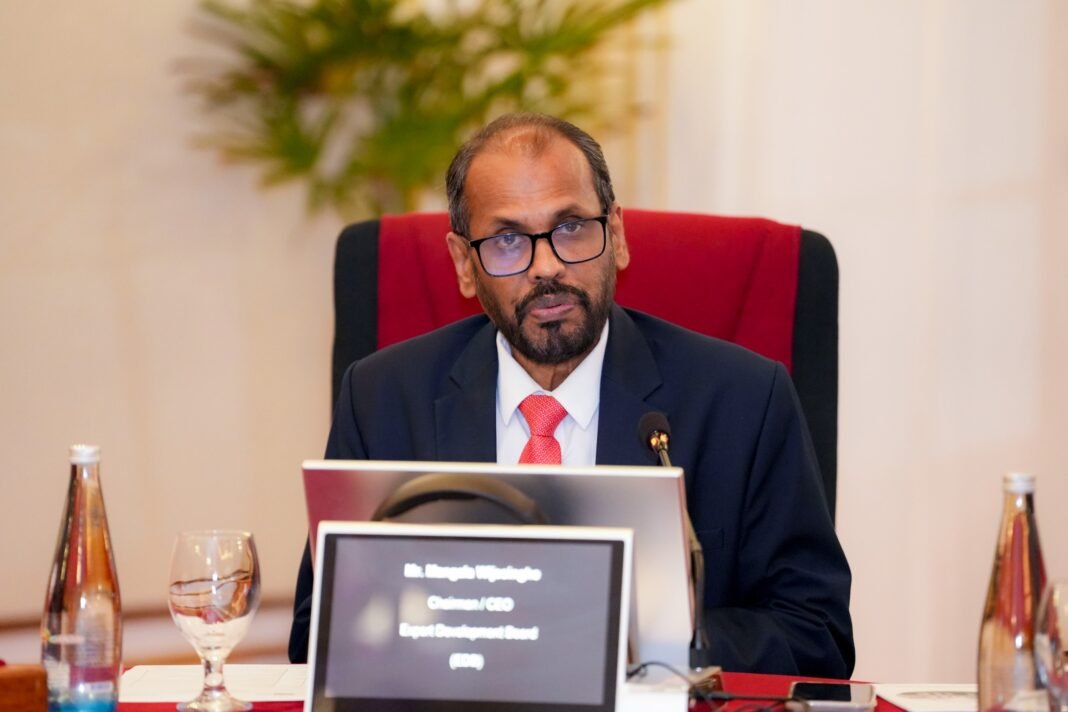
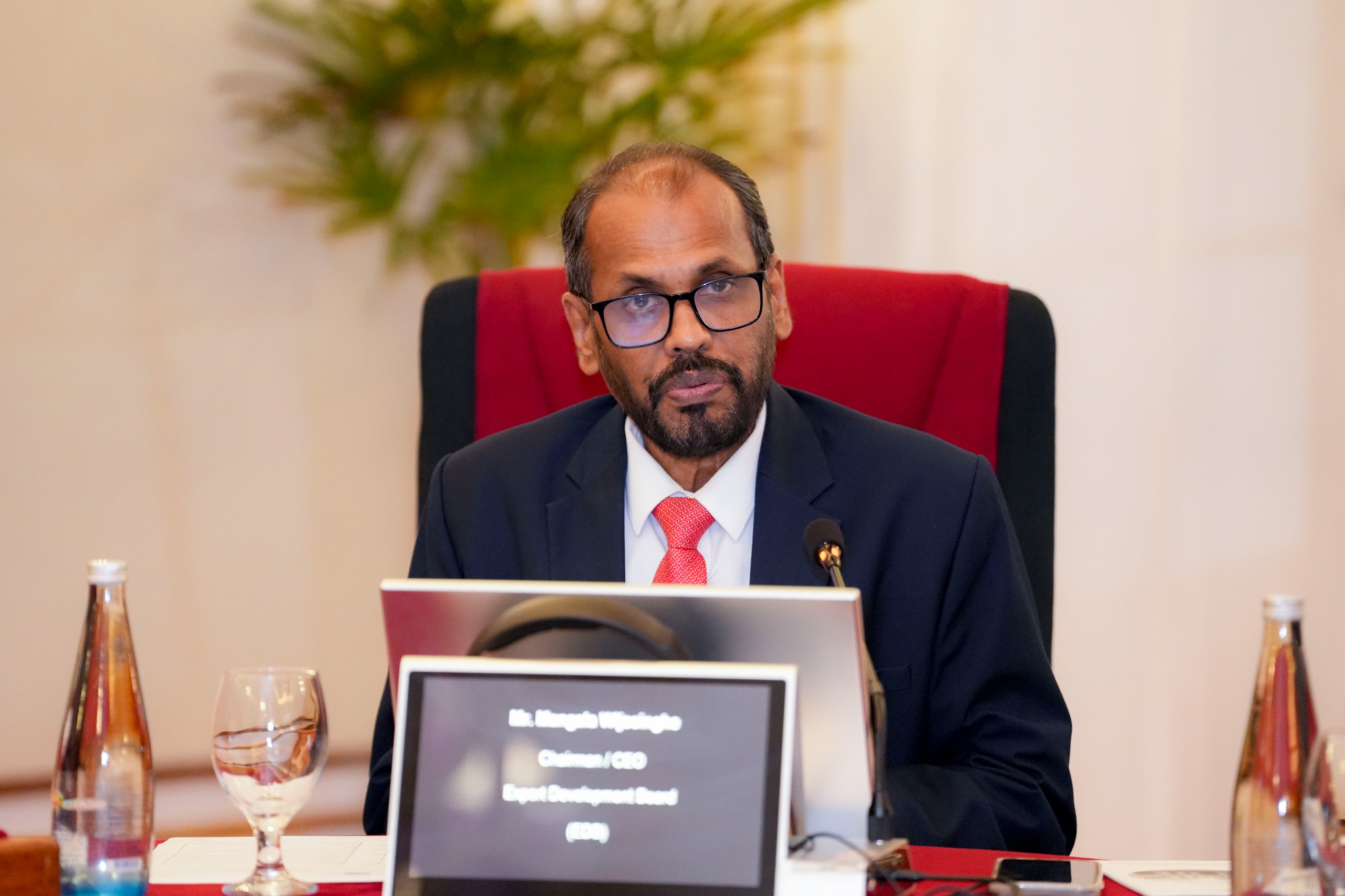
The briefing was attended by Chief Delegate of AHK Sri Lanka, and representatives of AHK Sri Lanka, Chairman and Chief Executive Officer of the Sri Lanka Export Development Board, Additional Director General (Development), and other representatives of the EDB, alongside high level officials from the Sri Lanka Ports Authority (SLPA) and members of the Maritime and Logistics, and Imports and Exports Sector Committees of AHK Sri Lanka. The event focused on leveraging Sri Lanka’s strategic location as a competitive maritime, logistics and export hub. The statement does not provide details on previous meetings or agreements related to this cooperation.
Analysis
The event appears designed to facilitate German business engagement within Sri Lanka’s maritime and logistics sectors. The participants, including the SLPA and EDB, indicate a targeted effort to attract investment and promote Sri Lanka’s export capabilities. The focus on “connectivity with international markets and global value chains” suggests an awareness of Sri Lanka’s vulnerabilities in the context of global trade dynamics. The statement does not address the ongoing challenges facing Sri Lanka’s economy, including debt sustainability and external financial pressures.
Implications
The meeting signals a potential commitment from Germany to support Sri Lanka’s ambitions to develop its maritime sector. Should the visit yield practical avenues for German-Sri Lankan business linkages, investment partnerships and sectoral cooperation, it could bolster Sri Lanka’s trade and export performance. The event’s emphasis on “strengthening connectivity” suggests an effort to mitigate Sri Lanka’s reliance on traditional trading partners and diversify its economic relationships. The statement does not address the potential impact of this cooperation on Sri Lanka’s broader geopolitical alignment.
Outlook
If the discussions result in concrete investment commitments from German companies, it would represent a positive development for Sri Lanka’s economic prospects. Should the visit yield identification of practical avenues for German-Sri Lankan business linkages, investment partnerships and sectoral cooperation, it could contribute to Sri Lanka’s long-term economic growth. The success of this initiative hinges on Sri Lanka’s ability to address key economic challenges, including infrastructure deficits and regulatory hurdles.
Conclusion
The briefing highlights Germany’s sustained interest in Sri Lanka’s maritime sector, but the statement does not indicate whether this interest translates into tangible support or investment. The event’s focus on connectivity raises questions about Sri Lanka’s ability to integrate effectively into global trade networks.