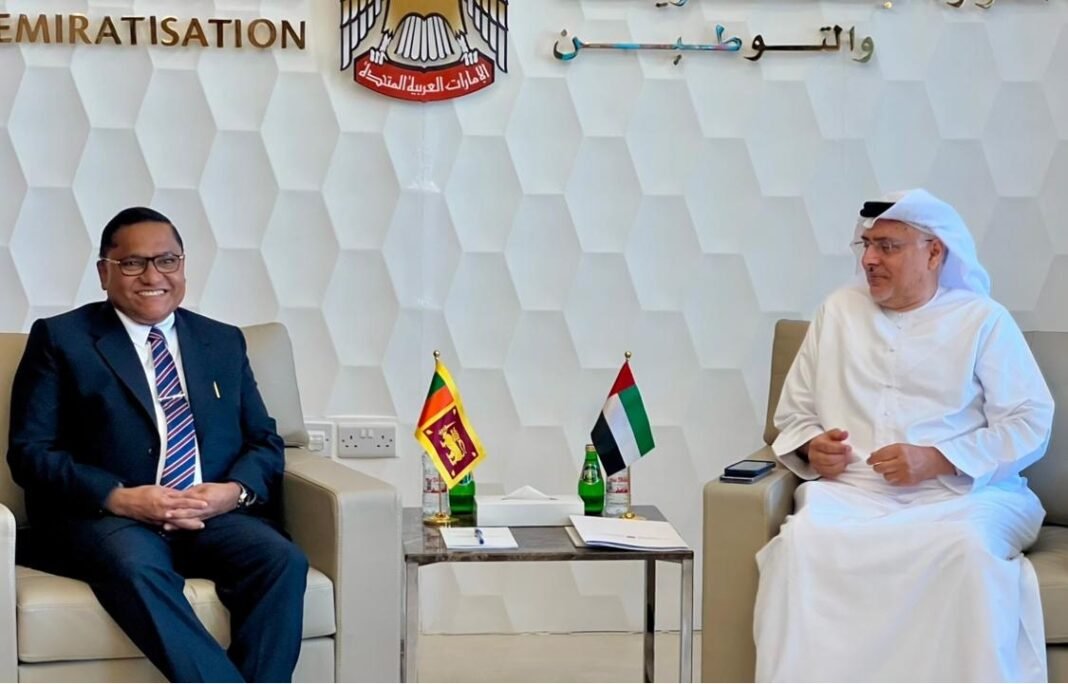
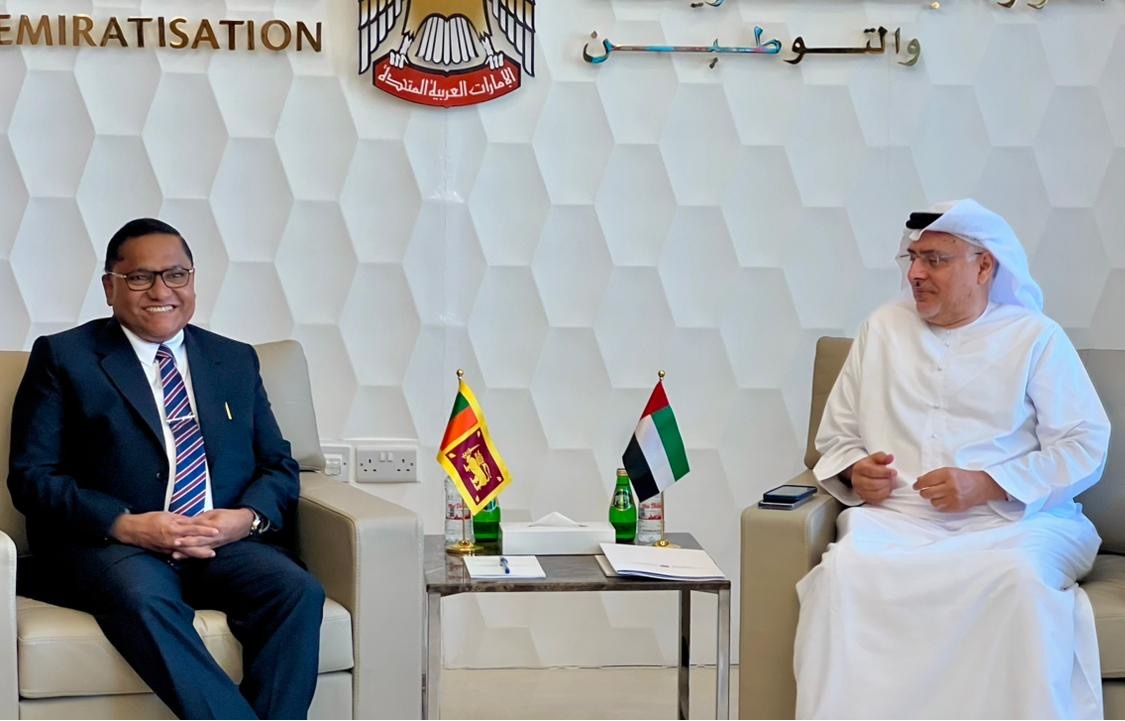
Background: Ministry News Foreign Minister Vijitha Herath to visit the United Arab Emirates Published Date 2 September 2026 Minister of Foreign Affairs, Foreign Employment and Tourism Vijitha Herath will undertake an official visit to the United Arab Emirates from 02 to 03 September 2026. In March the ministry said that “Minister Vijitha Herath is scheduled to embark on an official visit to the United Arab Emirates from 02 to 03 September 2026”. The objective of this visit is to further strengthen bilateral cooperation in investment, trade, tourism and labor. Discussions during these engagements centred on further enhancing bilateral cooperation in the areas of investment, trade, tourism, and labour, while exploring new avenues for expanded economic cooperation and mutually beneficial engagement between Sri Lanka and the United Arab Emirates.
Analysis: The stated objectives – investment, trade, tourism, and labour – represent a prioritized suite of interests for Sri Lanka given its current economic circumstances. The pursuit of the CEPA, explicitly mentioned by Minister Herath, suggests a willingness to commit to deeper integration with the UAE economy. The focus on human resources—specifically labor—indicates an awareness of potential opportunities within the UAE’s workforce requirements. The simultaneous discussion of investment and tourism reflects a dual strategy: attracting foreign capital while simultaneously promoting Sri Lanka as a destination for visitors and tourists. This approach, if implemented as described, attempts to mitigate risks associated with relying solely on one sector. The invitation to EMAAR Group to explore opportunities in Port City Colombo indicates a specific area of interest within the broader investment landscape.
Implications: For Sri Lanka, the visit’s success—defined by accelerating the CEPA—would provide a significant boost to its export-oriented economy and potentially attract substantial foreign direct investment. Should the CEPA be finalized, it could reshape Sri Lanka’s trade relationships beyond traditional partners. The discussions with UAE Minister of Human Resources and Emiratisation, Dr. Abdulrahman Abdulmannan Al Awar, highlight a strategic interest in securing labour agreements that could alleviate pressure on domestic employment. For the UAE, the engagement represents an opportunity to diversify its investment portfolio and secure access to Sri Lanka’s resources and markets. The potential for development within Port City Colombo offers opportunities for infrastructure projects and economic growth.
Outlook: If the visit yields a concrete timeline for CEPA negotiations, it would represent a positive step towards strengthening Sri Lanka’s trade relations. Should the UAE demonstrate sustained interest in investment opportunities in Port City Colombo, this could catalyze further infrastructure development and attract foreign businesses. The stated objectives do not address any concerns regarding existing debt obligations or potential financial vulnerabilities within Sri Lanka’s economy.
Conclusion: Minister Herath’s Dubai visit underscores a deliberate effort to reorient Sri Lanka’s economic strategy toward the United Arab Emirates, yet the ultimate outcome remains contingent on the willingness of both parties to overcome complex negotiation hurdles and fully realize the stated objectives.