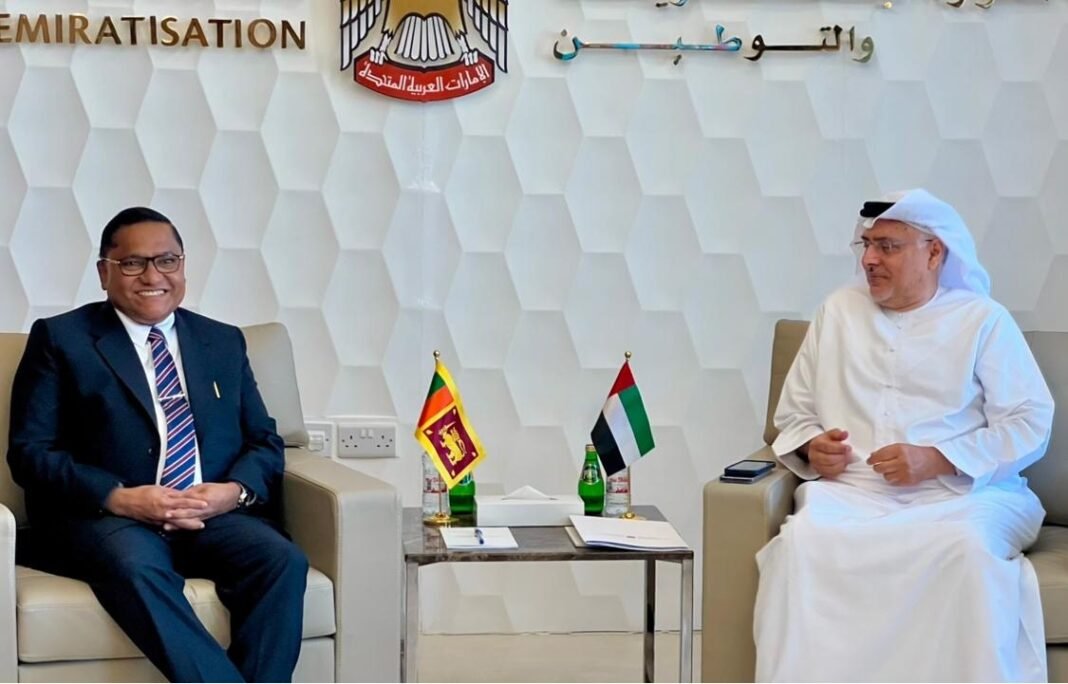
The official readout frames the trip as The United Arab Emirates has awarded a contract to construct an international rail line connecting the city of Dubai to Abu Dhabi, representing a significant infrastructure investment. This project, announced by the UAE Minister of Foreign Trade, Dr. Thani bin Ahmed Al Zeyoudi, is estimated to cost approximately 30 billion AED and will significantly improve transport links between the two cities. The statement matters because it represents a tangible commitment from a key trading partner to invest in Sri Lanka’s infrastructure – an area identified as critical for economic diversification.
Background: Prior statements by the Ministry of Foreign Affairs detail ongoing discussions regarding trade agreements with the UAE, most recently on 2 September 2026, when Minister Vijitha Herath visited Dubai. In March the ministry said it was “actively pursuing” a Comprehensive Economic Partnership Agreement (CEPA) with the UAE. The “Sri Lanka Beyond Your Dreams” event, held on 2nd September 2026, represents a recurring diplomatic initiative designed to promote Sri Lanka as an investment and tourism destination within the Middle East region. This is the second edition of the event.
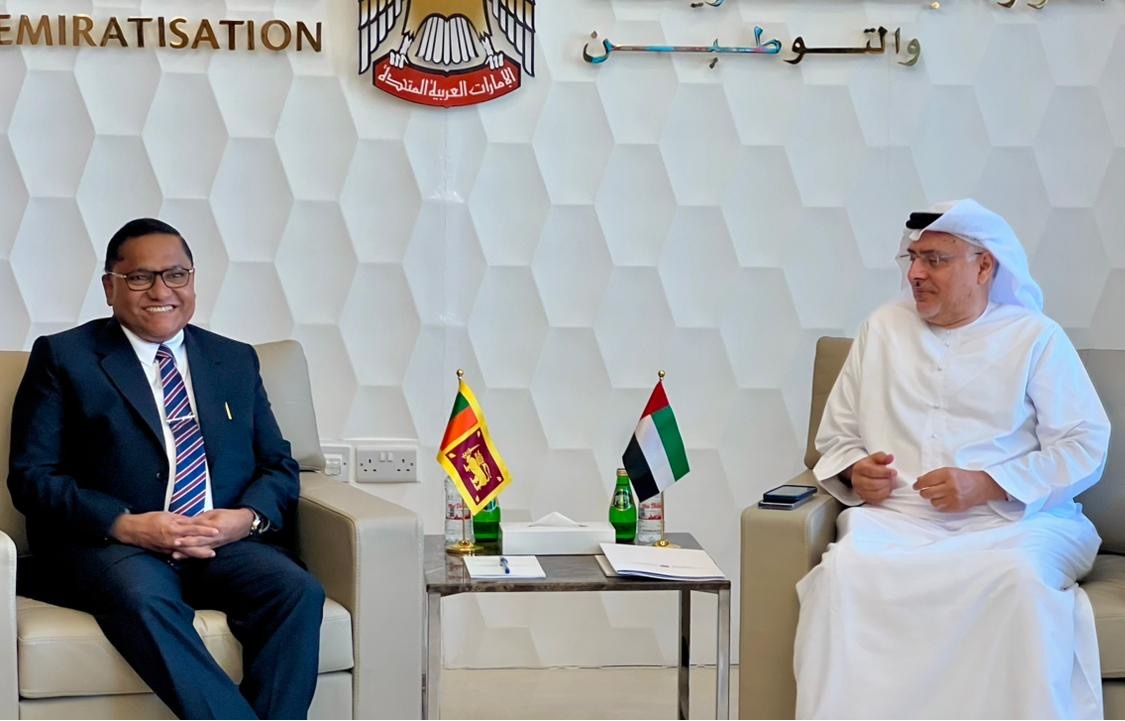
Analysis: The visit highlights a strategic effort by Sri Lanka to leverage existing economic relationships for direct benefit. Bilateral meetings with UAE Ministers of Human Resources and Emiratisation, and Economy and Tourism, reveal a targeted approach focused on attracting investment in Port City Colombo. The invitation extended to EMAAR Group regarding real estate development demonstrates a desire to tap into established international expertise. This suggests a recognition that Sri Lanka’s economic future hinges on attracting foreign capital and technology, particularly within key sectors like infrastructure and tourism. If implemented as described, the CEPA would provide a framework for deeper integration.
Implications: The renewed focus on trade and investment with the UAE has potential ramifications for regional stability. Increased economic cooperation could foster greater interdependence between Sri Lanka and the Gulf states, potentially mitigating geopolitical risks associated with dependence on other trading partners. The prospect of increased tourism flows from the Middle East would also provide a much-needed boost to Sri Lanka’s struggling tourism sector – if this investment is realized. Furthermore, the engagement with EMAAR Group could attract further foreign direct investment into Sri Lanka’s port infrastructure.
Outlook: Should the visit yield progress on the CEPA and the Port City Colombo project, it would represent a positive development for Sri Lanka’s economy, contingent upon securing commitments from UAE investors. If the CEPA negotiations continue to stall, as has been the case with several other potential trade agreements, this visit may be seen as primarily focused on maintaining diplomatic ties rather than driving substantial economic growth. The meeting with EMAAR Group presents an opportunity but is dependent on their willingness to commit capital to Sri Lanka’s development projects.
Conclusion: The Minister’s meetings in Dubai underscore a calculated effort to diversify Sri Lanka’s economic partnerships, yet the ultimate success of these initiatives remains uncertain, predicated entirely on the willingness of key trading partners – particularly the UAE – to translate diplomatic engagement into concrete investment and trade outcomes.