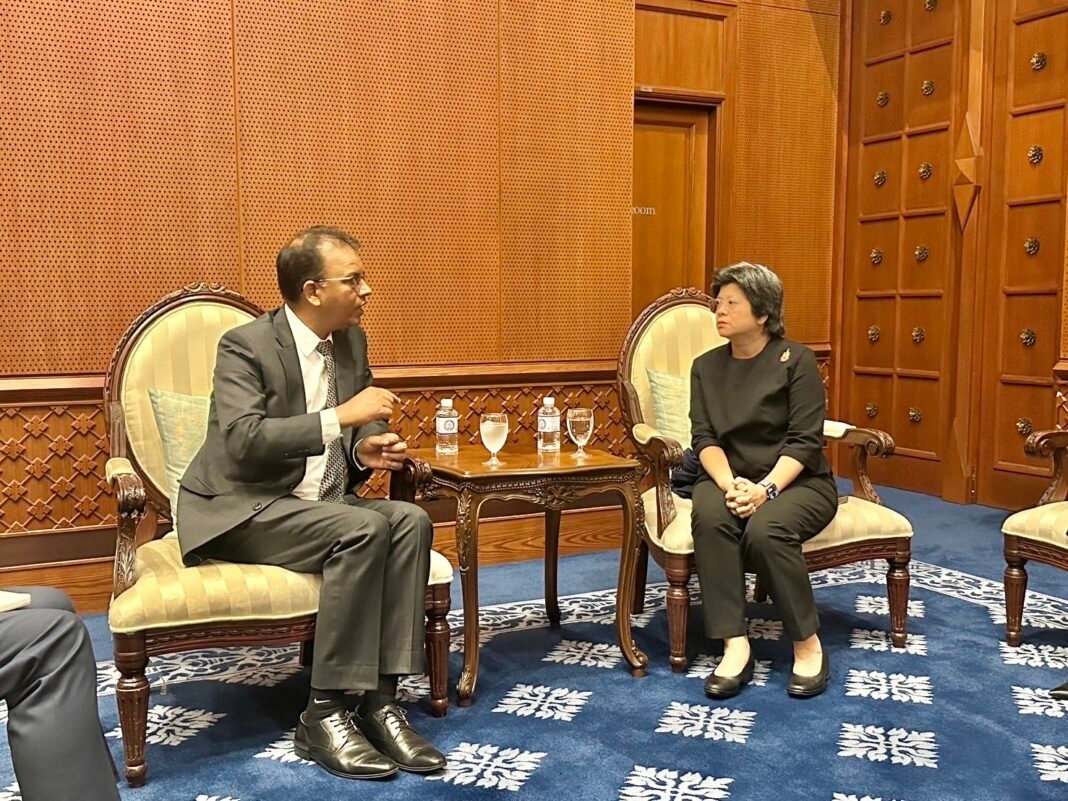
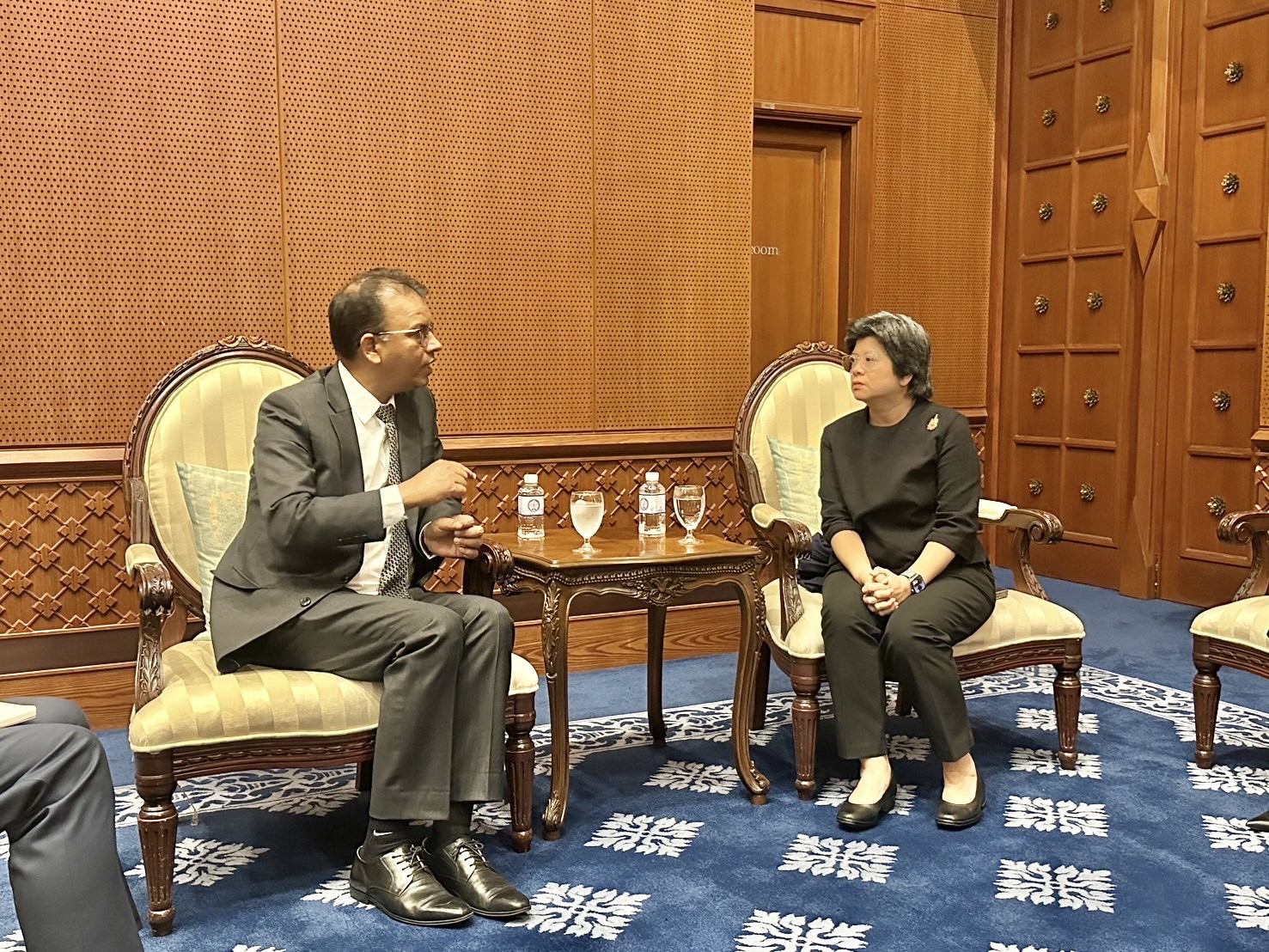
On 31 August 2026, Mrs. Urasa Mongkolnavin, Director-General of the Department of South Asian, Middle East and African Affairs, discussed with H.E. Mr. Dhan Bahadur Oli, Ambassador of Nepal to Thailand, to express Thailand’s condolences over the devastating flash floods and landslides in Nepal. The statement does not mention the precise scale of the disaster but indicates the situation is among the most severe and unprecedented in Nepal’s history. This matters because it represents the first formal response from Bangkok following a national catastrophe impacting a neighboring nation. — the full statement has further detail.
Background
The Ambassador of Nepal briefed the Director-General on the overall situation, noting that the disaster was among the most severe and unprecedented in Nepal’s history, a catastrophic combination of earthquakes, floods, and tsunami-like effect. The statement does not mention the specific dates of these events or their precise relationship to the current crisis. Prior to this communication, Thailand had issued general statements of support for regional stability, as outlined in the 20-Year “5S” Foreign Affairs Masterplan. The Deputy Prime Minister and Minister of Foreign Affairs attended a mobile cabinet meeting No. 1/2026 in Songkhla Province on 3 September 2026, further illustrating Thailand’s continued engagement with domestic priorities alongside international concerns. The Ministry of Foreign Affairs has consistently highlighted its commitment to disaster preparedness within the framework of this masterplan, as evidenced by their activities detailed in a statement from 3 Sep 2026.
Analysis
Thailand’s response is framed around expressing condolences and reaffirming readiness to provide urgent assistance. The limited nature of Thailand’s engagement – specifically targeting “areas where Thailand has expertise” – suggests a cautious approach, likely influenced by the scale of the disaster and potential logistical challenges. The Ambassador’s description of “highly limited access” further underscores this constraint. If implemented as described, this implies that Thailand’s capacity to offer substantial aid is constrained by existing resources and operational limitations. The statement does not address Nepal’s immediate needs for personnel or equipment, prioritizing instead a focus on areas where Thailand possesses demonstrable capabilities. The emphasis on “post-disaster recovery efforts” suggests a longer-term commitment than immediate relief.
Implications
This interaction has implications for regional stability, particularly concerning Nepal’s ability to secure international support in the wake of this devastating event. Thailand’s willingness to offer assistance, albeit limited, signals its continued role as a partner within Southeast Asia. The statement does not address potential ramifications for trade relations between Thailand and Nepal or any broader security considerations arising from the instability in the region. It also has implications for Thailand’s own disaster preparedness efforts, potentially influencing future investment and training programs.
Outlook
Should the visit yield a concrete offer of assistance – specifically regarding logistical support or technical expertise – it would represent a significant step beyond expressions of condolences. If no formal agreement is reached within the coming weeks, Thailand’s response will likely remain limited to verbal assurances and potentially the provision of basic humanitarian supplies. The statement does not address any potential follow-up meetings or collaborative planning sessions between Thai and Nepali officials.
Sources & Further Reading
- Official press release
- Foreign ministry source
- Director-General of the International Economic Affairs Department attends the 3rd APEC Senior Officials' Meeting and Related Meetings in Dalian (3 Sep 2026)
- Deputy Prime Minister and Minister of Foreign Affairs attends mobile cabinet meeting No. 1/2026 in Songkhla Province (3 Sep 2026)
- ASEAN