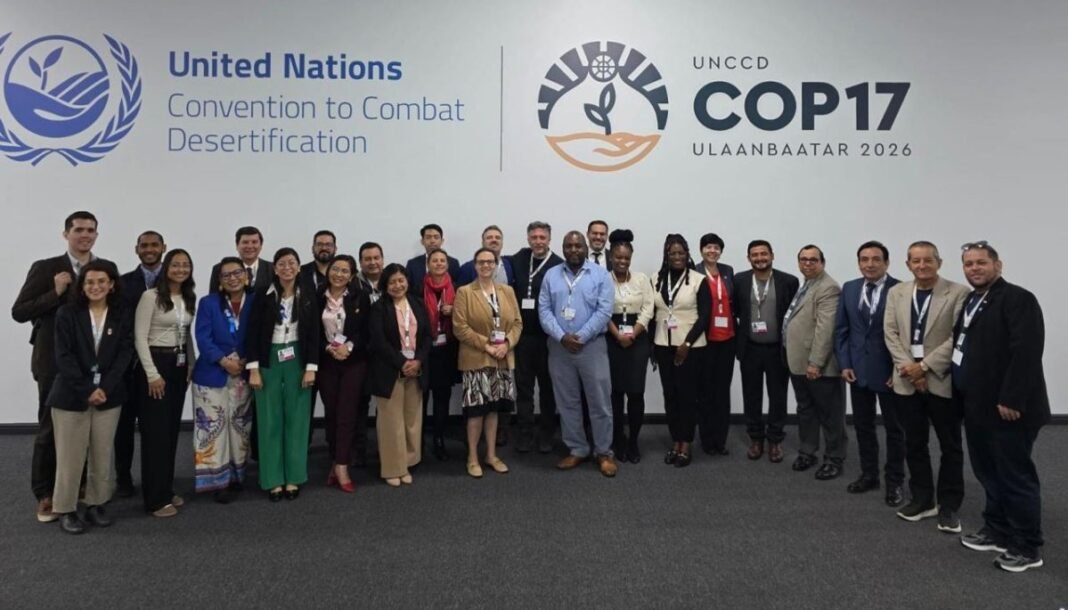
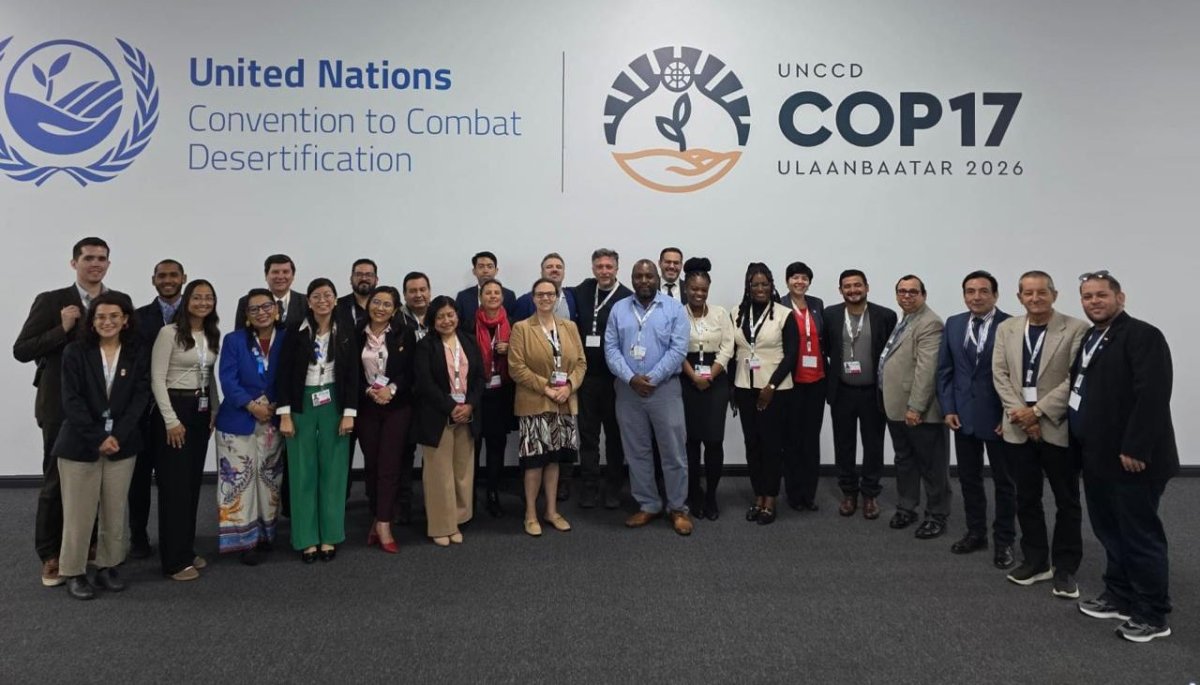
Chile participated actively in the 17th Conference of the Parties to the United Nations Convention to Combat Desertification (COP17 of the UNCBD) which concluded this Friday in Ulaanbaatar, an instance intended to strengthen international responses to desertification, land degradation and drought. The statement does not mention the specific date of the conclusion but notes its occurrence on Friday. This engagement matters because it underscores Chile’s commitment to addressing global environmental challenges, particularly those impacting vulnerable regions – a priority signaled through the delegation’s active participation in negotiations related to land tenure, the convention’s work program, and drought mitigation, as outlined by the Ministry of Relations, according to the official statement (
Background
The COP17 of the UNCBD brought together representatives from national delegations, international organizations, scientific communities, and civil society. The statement details several key areas of focus for this conference: discussions concerning land tenure; the convention’s work program; drought; and the Intergovernmental Working Group on the Future Strategic Framework of the Convention. These topics represent significant challenges in global efforts to combat desertification and promote sustainable land management practices.
Analysis
The Chilean delegation’s active participation signals a strategic prioritization of responses based on effective implementation, scientific evidence, and recognition of national circumstances – as stated by the Ministry. This suggests a desire to tailor international commitments to Chile’s specific regional vulnerabilities and development priorities. The inclusion of discussions regarding drought highlights the growing urgency of addressing water scarcity issues, particularly in arid regions. Furthermore, the delegation’s engagement with the Intergovernmental Working Group demonstrates an understanding of the need for long-term strategic planning within the Convention.
Implications
Chile’s active participation has implications for regional stability and trade relationships, particularly concerning water resources and land use management – though the statement does not address these directly. The focus on land tenure could influence negotiations with neighboring countries regarding transboundary water rights and resource access. The inclusion of drought mitigation efforts may also affect trade agreements dependent on agricultural output. The XVII Sesión de la Comisión Mixta with Germany addresses memory historical issues and integration of victims, indicating a broader commitment to social cohesion within Chile.
Outlook
Should the visit yield further consensus on sustainable land management strategies, Chile could leverage this engagement to advocate for greater international support for adaptation measures in vulnerable regions. If implemented as described, the Chilean delegation’s active participation could foster collaborative frameworks for addressing desertification challenges across Latin America and beyond – contingent upon continued dialogue within the convention’s framework.
Conclusion
The Chilean delegation’s presence at COP17 reveals a commitment to international collaboration on critical environmental issues; however, it leaves open the question of whether Chile will translate this engagement into tangible policy changes within its own national context regarding land use and resource management.