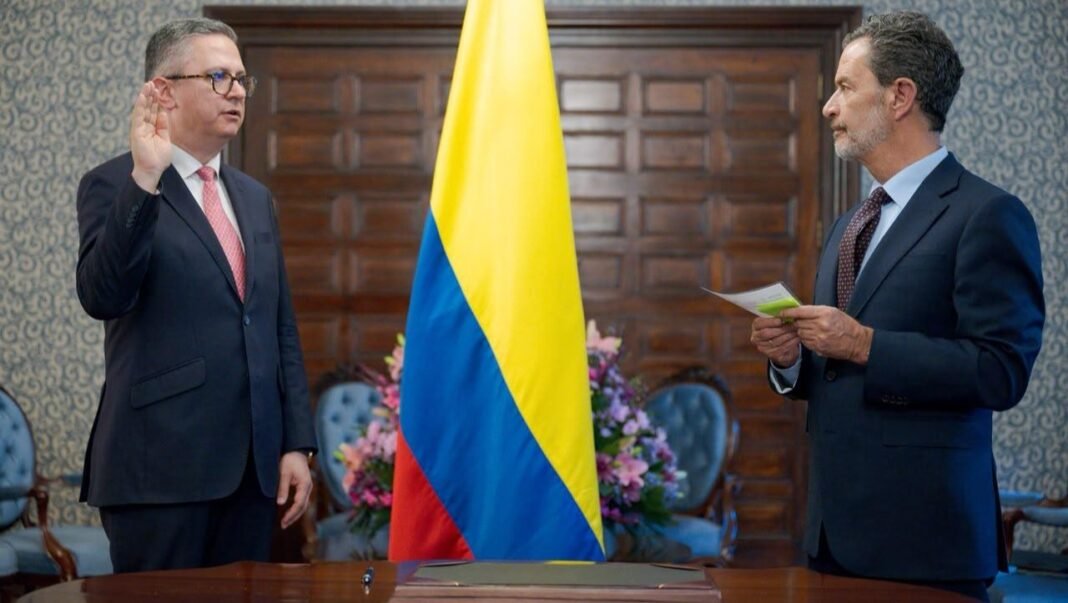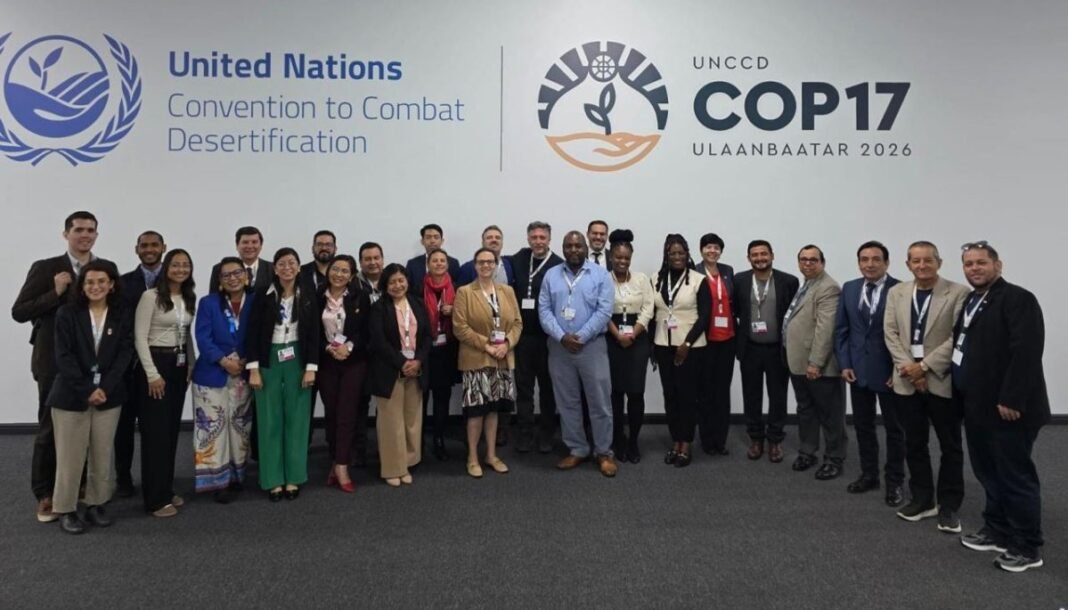
Per the government announcement, On July 14th, 2026, the seventeenth session of the Chilean-German Joint Commission convened, held in a hybrid format, to address the historical memory surrounding Colonia Dignidad and the integration of victims into Chilean society. This event matters because it represents the latest iteration of a partnership intended to navigate a deeply sensitive and unresolved past – a past Germany has been reluctant to fully confront.
Background
The meeting’s proceedings were presided over by Ambassador Felipe Kipreos, Director of Human Rights Division at the Ministry of Foreign Affairs of Chile, and Carsten Thiele, Head of the Southern Cone Division of Germany’s Federal Foreign Office. The presence of Subsecretary of Human Rights, Pablo Mira Hurtado, underscored the Chilean government’s prioritization of this issue. This commission stems from an agreement formalized on July 12th, 2017, a framework designed to foster cooperation between the two nations regarding Colonia Dignidad.
Delegations included representatives from Chile’s Ministry of Foreign Affairs, Ministry of Justice and Human Rights, Ministry of Cultures, Arts and Heritage, the Museum of Memory and Human Rights, the National Archive, and the Chilean Embassy in Germany. German participation involved the Federal Foreign Office and the German Embassy in Chile, including Ambassador Susanne Fries-Gaier. The statement does not address the specific circumstances surrounding Colonia Dignidad itself – the events that took place within its walls remain a contested narrative.
Analysis
The agenda centered on several key areas: progress toward establishing a memorial site, the presentation of results from a project concerning the documentary archive at Colonia Dignidad held by Chile’s National Archive, and potential German Federal Foreign Office support for further digitization of remaining documentation. A significant element involves the “Memories Interactive of Colonia Dignidad” project – a collaborative effort between the Freie Universität Berlin and Chile’s Museum of Memory and Human Rights. This suggests that Germany is attempting to leverage academic expertise to manage its engagement with the issue.
The reaffirmation of commitment to constructive collaboration, based on the 2017 agreement, does not diminish underlying tensions. The continued need for German assistance in digitizing documents highlights a persistent asymmetry in responsibility and access to information. This also underscores that Germany’s capacity to meaningfully contribute – particularly regarding accountability – remains limited.
Implications
The ongoing meetings have implications for regional stability, specifically concerning the unresolved legacy of Colonia Dignidad and its potential impact on reconciliation efforts within Chile. The commission’s activities could influence Germany’s broader engagement in Latin America regarding human rights issues – should the visit yield further cooperation, it would bolster German diplomatic standing. Trade relations are unaffected by this specific dialogue, but the overall atmosphere of trust will be impacted.
The planned eighteenth meeting, scheduled for December 2026, signifies a commitment to continued engagement. However, the lack of detail regarding the agenda or anticipated outcomes raises questions about the strategic objectives driving Germany’s involvement. The statement does not address the potential role of other international actors – such as the European Union – in facilitating this collaboration.
Outlook
Should the visit yield tangible progress on digitization and the creation of a memorial site, it would represent a positive step toward addressing the historical memory of Colonia Dignidad. If the German delegation continues to prioritize technical assistance over direct engagement with Chilean civil society organizations, however, this could exacerbate existing tensions.
If no concrete agreements are reached by December 2026, and the XVIII meeting is postponed, it would signal a lack of sustained commitment from either side. This suggests that Germany’s interest in Colonia Dignidad may be primarily driven by diplomatic considerations rather than genuine concern for human rights.
Conclusion
The Chilean-German Joint Commission’s work on Colonia Dignidad highlights a complex and protracted process. The persistent reliance on a 2017 agreement, coupled with limited German engagement, raises fundamental questions about the true nature of this partnership – is it genuinely driven by shared values or primarily shaped by strategic interests?