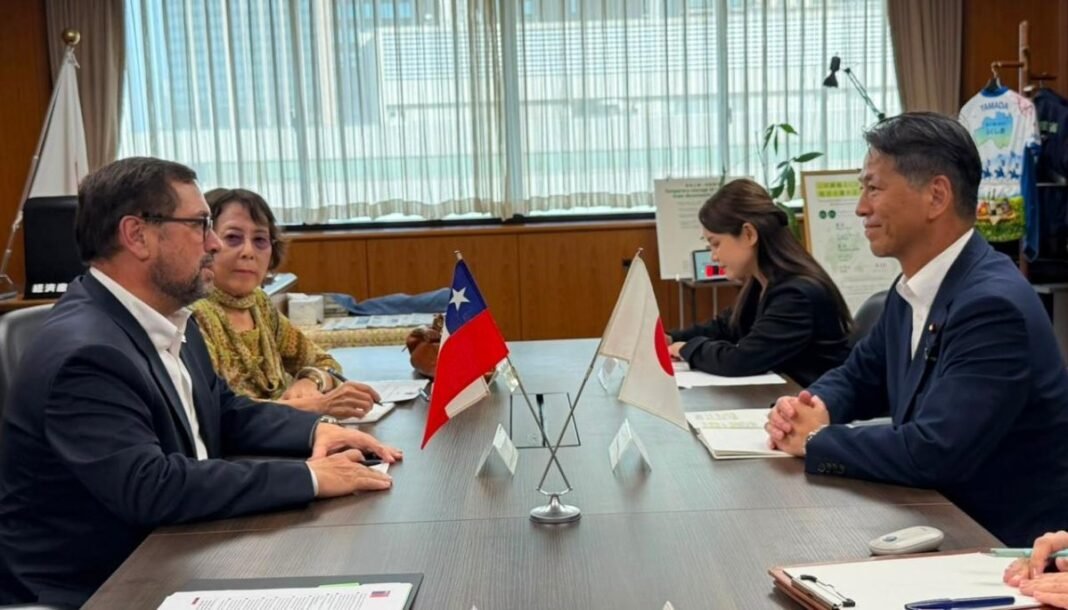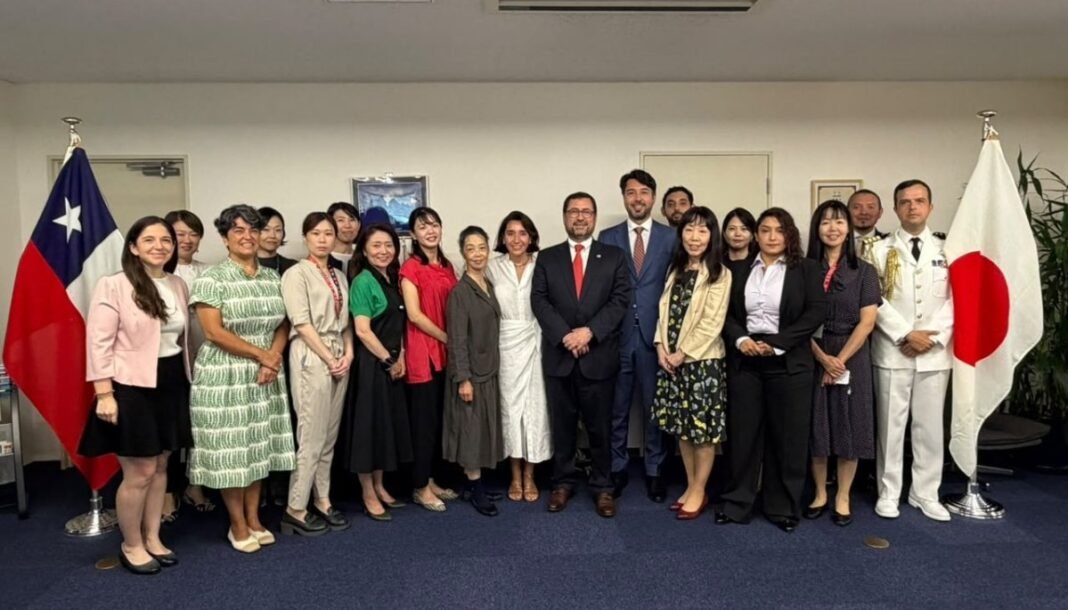
The Minister of Foreign Affairs, Francisco Pérez Mackenna, visited the Chilean Embassy in Japan on Wednesday, August 26th, 2026 (the statement does not mention a date beyond this). This visit focused on acknowledging the work of the diplomatic and consular staff in promoting Chile’s interests and assisting Chilean citizens residing or visiting Japan. The ministry linked this to broader bilateral relations with Argentina, referencing a seventh meeting of the Permanent Consultation System between the two nations scheduled for the same day. — the full statement has further detail.
Background
Pérez Mackenna’s trip occurred in the context of ongoing efforts by the Chilean Ministry of Foreign Affairs to facilitate trade and investment. The statement does not mention specific agreements or prior discussions that led to this visit. However, it highlights a meeting with the Governor of the International Cooperation Bank of Japan, suggesting a direct engagement with key financial institutions interested in supporting Chilean economic development. Furthermore, the ministry indicates a separate meeting with the Minister of State for Economy, Commerce and Industry of Japan, aimed at exploring increased opportunities for Chilean products and new investments into Chile.
Analysis
The visit signals a deliberate shift in Chile’s foreign policy strategy, prioritizing economic engagement over broader geopolitical concerns. The meetings with the Japanese Ministry of State suggest a targeted approach to attracting investment, particularly given Japan’s significant industrial capacity and technological advancements. This focus aligns with broader Chilean efforts to diversify its export markets beyond traditional partners. The exchange with the International Cooperation Bank indicates an understanding that securing funding for infrastructure projects and sustainable development initiatives will be crucial for Chile’s long-term economic growth – a need not explicitly stated but implied by the meeting’s purpose.
Implications
The intensified engagement with Japan carries implications for regional stability, particularly regarding trade flows and investment patterns. Should these discussions yield positive results in terms of increased Japanese investment, it could accelerate Chile’s economic development and potentially reshape its role within the Asia-Pacific region. The renewed diplomatic activity also underscores Chile’s commitment to strengthening its bilateral ties with Argentina, as evidenced by the scheduled consultations.
Outlook
If the discussions regarding investment opportunities are successful, it would represent a significant step toward diversifying Chile’s economic base. Should the ministry be able to secure commitments for Japanese investment in sectors such as renewable energy or technology, this could bolster Chile’s efforts to achieve its sustainability goals and reduce its reliance on natural resource exports. However, without further details regarding specific projects or investment amounts, the success of this diplomatic initiative remains uncertain.
Conclusion
The visit highlights a strategic prioritization of economic partnerships; however, the statement does not address whether these meetings resulted in any concrete agreements or commitments. The future direction of Chile’s engagement with Japan hinges on the ability to translate diplomatic dialogue into tangible investment and trade outcomes.