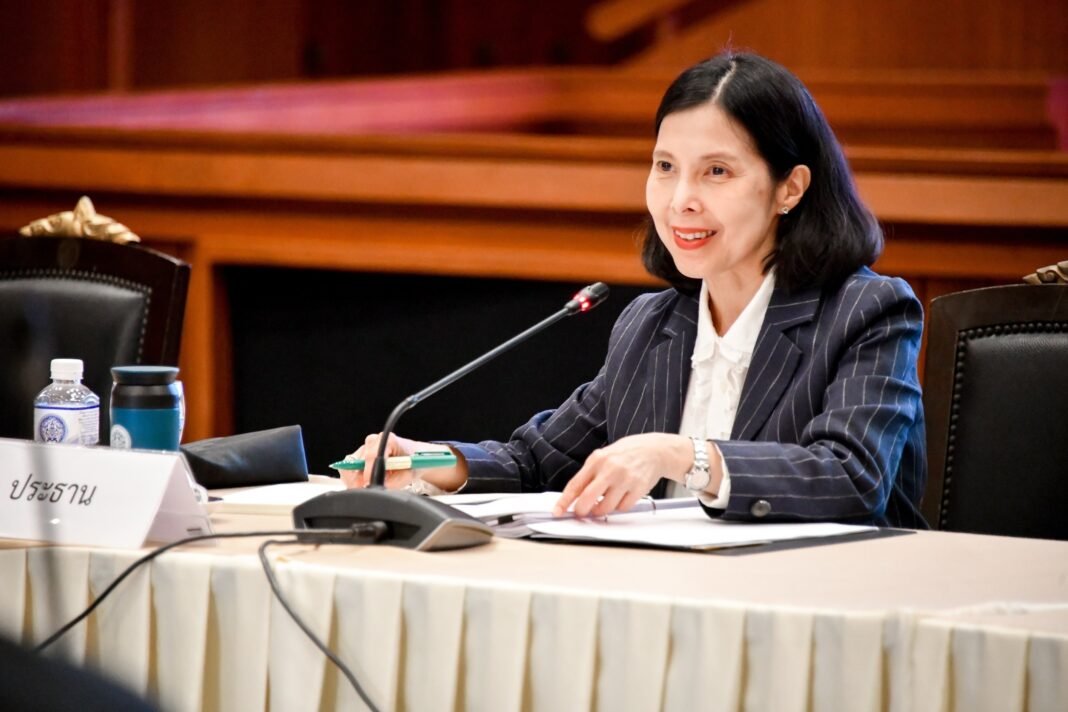
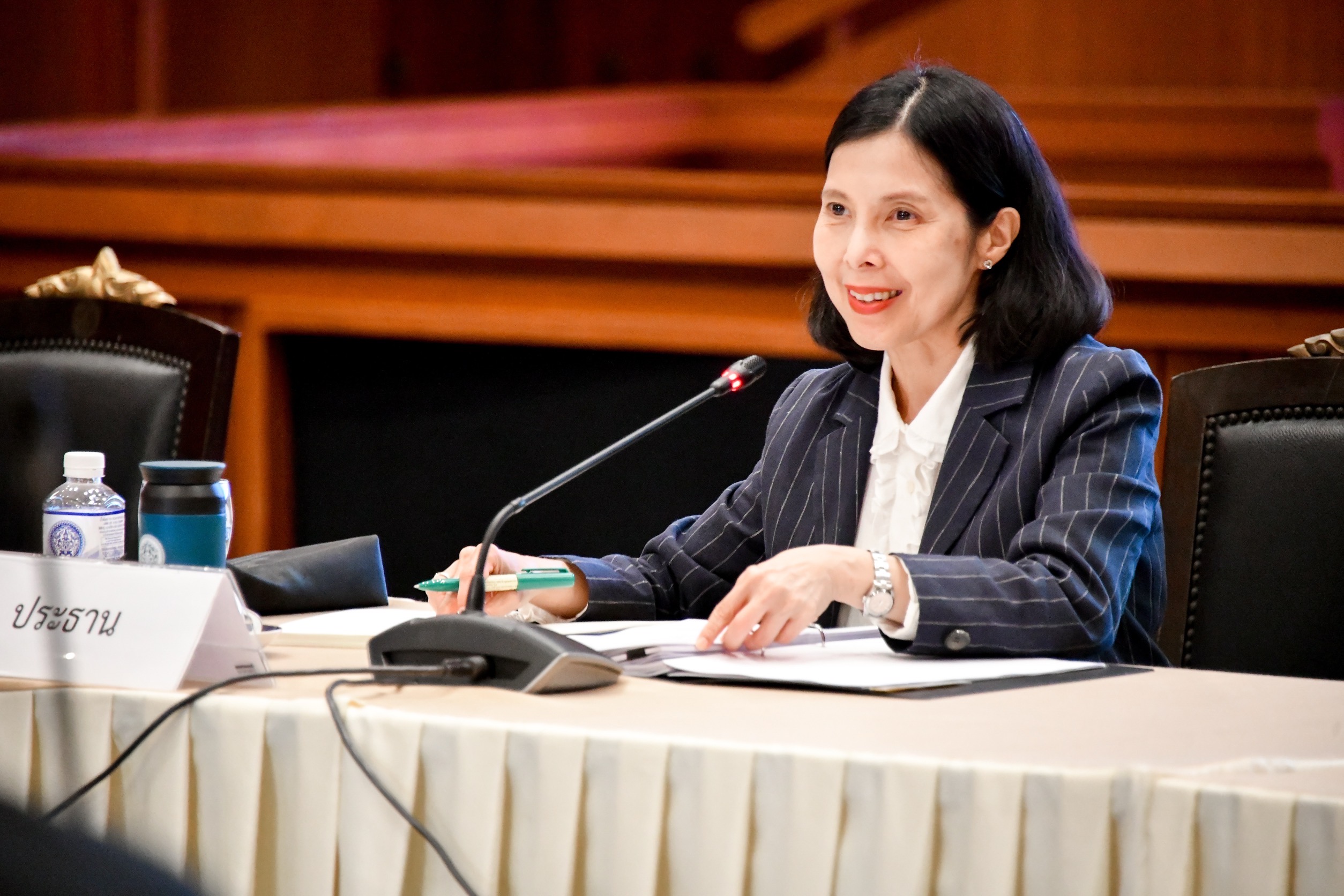
Background: The Working Group’s activities are framed within the established structure of the United Nations framework for achieving the 2030 Agenda. This includes ongoing efforts to develop the UNSDCF between Thailand and the UN, a process that will define areas of collaboration for the next five years. Furthermore, the meeting considered recommendations from the Senate Committee on Foreign Affairs concerning the Sustainable Development Goals (SDGs). The release also notes an exchange of views regarding Thailand’s preparations for sustainable development beyond 2030 – a crucial element suggesting an awareness of long-term strategic planning within the Ministry of Foreign Affairs. The timing – August 2026 – reflects the accelerating timeline associated with UN SDG implementation cycles and the pressure on member states to demonstrate tangible progress.
Analysis: The focus on developing the UNSDCF for 2027–2031 indicates a desire to secure long-term commitments from the UN, potentially mitigating some of the risks associated with shorter-term funding cycles. However, the inclusion of the Senate Committee’s report suggests that Thailand is grappling with specific challenges in translating SDG goals into actionable policies – a common hurdle for developing nations seeking international support. The consideration of sustainable development beyond 2030 highlights an awareness of the evolving nature of global sustainability priorities, but it doesn’t address the fundamental question of how Thailand intends to drive this broader agenda. The attendance of more than 25 Thai government agencies suggests a broad-based effort, yet the statement does not specify the degree of coordination or alignment across these diverse departments. The meeting’s consideration of recommendations from the Senate Committee indicates an awareness that domestic policy needs to align with international commitments – if implemented as described, this creates potential friction between national priorities and global targets.
Implications: For policymakers, the ongoing UNSDCF development represents a significant opportunity to leverage UN resources and expertise. However, should the visit yield further alignment with global standards, it also carries the risk of increased scrutiny regarding Thailand’s progress on SDG implementation. Regionally, Thailand’s commitment to the 2030 Agenda reinforces its role as a participant in international dialogues on sustainable development – though the statement does not address potential competition for funding or influence within ASEAN. Trade and security implications are implicit; alignment with global sustainability standards could facilitate access to markets prioritizing environmentally conscious products and practices.
Outlook: If the UNSDCF is finalized according to the stated timeline, Thailand will be positioned to secure substantial UN funding for projects aligned with its priorities – provided that the government can demonstrate tangible progress on key SDG indicators. Should the Senate Committee’s recommendations prove difficult to implement due to bureaucratic inertia or competing domestic interests, Thailand’s ability to attract significant international investment may be jeopardized. The inclusion of “beyond 2030” suggests a future-oriented approach – if the preparations are successful, this could lead to innovative collaborations and technology transfer; however, it remains unclear how Thailand intends to drive sustainable development globally.
Conclusion: The Working Group’s activities represent an incremental step in Thailand’s engagement with the UN’s 2030 Agenda. The next meeting will be critical in determining whether Thailand can translate its aspirations into concrete action, or if the framework will remain a largely symbolic commitment – ultimately raising questions about the country’s long-term ability to drive meaningful change on the international stage.